There is no single best coffee maker. There is a best one for how you actually drink coffee, and the honest job of a buying guide is to match the brewer to your morning. Want hands-off volume with a full carafe waiting for you? A drip machine — the value-topping OXO Brew 9-Cup, or the premium, hand-built Technivorm Moccamaster. Want a bright, clean cup you steer by hand? Pour-over, with a Hario V60. Want rich, heavy body? A French press like the Bodum Chambord. Want smooth iced coffee you make once and pour all week? Cold brew, with the OXO system. The one thread running through every method: whatever you buy, a good burr grinder does more for your cup than the brewer does.
At a glance
| Method | Pick | Best for | Price |
|---|---|---|---|
| Drip (premium) | Technivorm Moccamaster | keep-for-years quality | $$$$ |
| Drip (do-everything) | Breville Precision Brewer | customization | $$$ |
| Drip (value) | OXO Brew 9-Cup | most people | $$$ |
| Drip (budget) | Cuisinart PerfecTemp | lowest cost | $ |
| Pour-over | Hario V60 | control + a bright cup | $ |
| French press | Bodum Chambord | rich, full body | $ |
| Cold brew | OXO Cold Brew | smooth iced, make-ahead | $$ |
How we chose
Cookloom is a new site, so here is the honest version: we have not put these machines through our own brewing lab, and we won’t pretend otherwise. What we’ve done instead is synthesize the sources a careful buyer would check anyway. For drip machines, we lean on Wirecutter’s long-running drip coffee maker testing, which names the OXO Brew 9-Cup its top pick and treats the Moccamaster as a favorite splurge. For the temperature question — the thing that separates a good machine from a hot-water dribbler — we use the Specialty Coffee Association’s Certified Home Brewer list, which certifies machines that hold brew water in roughly the 195–205°F window with correct contact time and even saturation.
The brewing numbers in this guide — ratios, temperatures, steep times — are standard specialty-coffee convention, the guidance taught by roasters and brewing guides, not measurements we took. Prices are shown as bands ($ to $$$$) because street prices move; the one hard number worth anchoring is the OXO Brew 9-Cup, which typically lands around $200.
The four ways to make coffee
Before the picks, the map. Every method here uses the same beans — the difference is how water meets the grounds. (Espresso is its own path, a pressurized shot rather than a brewed cup; if that’s what you’re after, start with the best espresso machines and our take on espresso vs. coffee.)
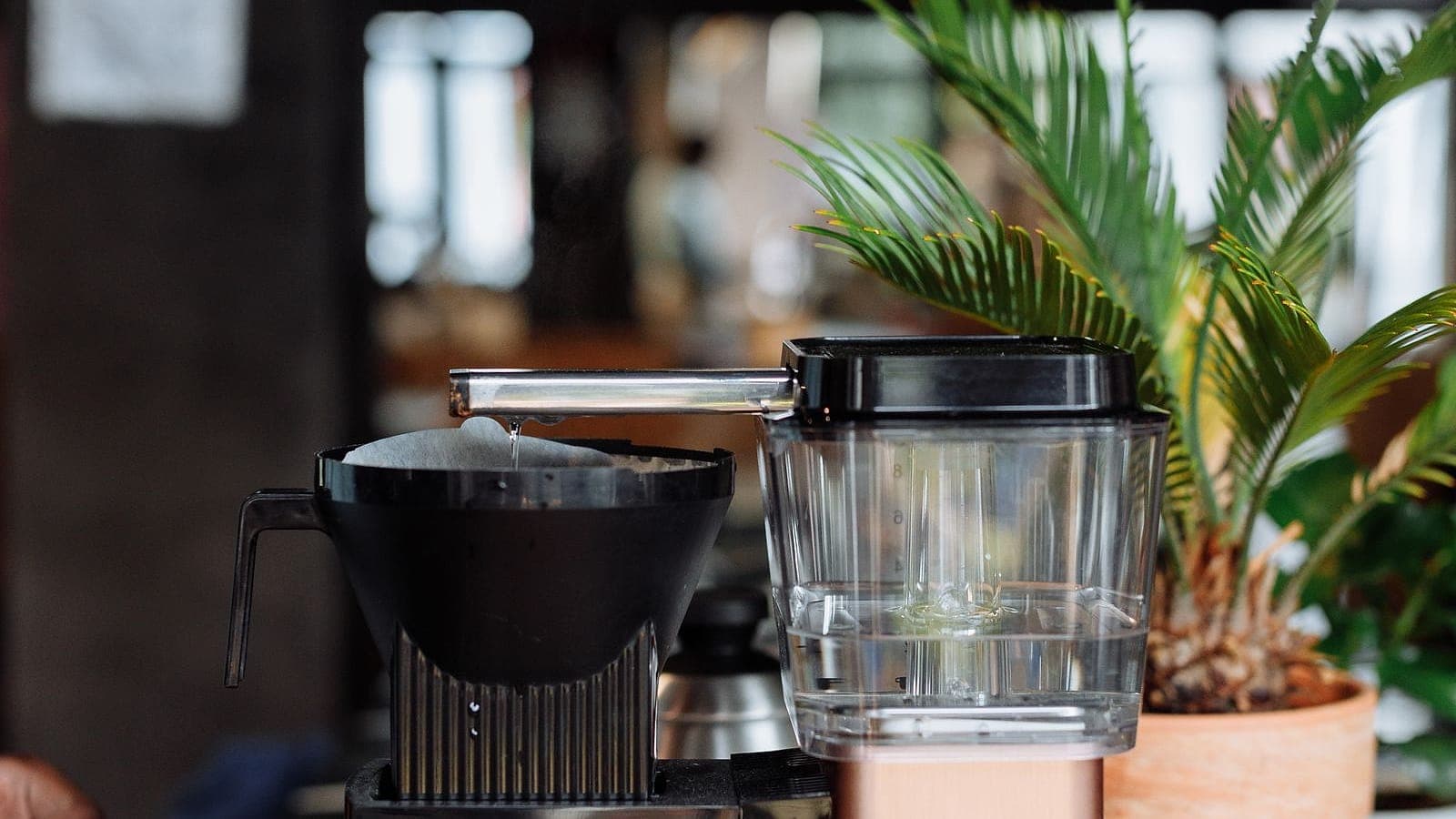
Drip is the automatic machine most people picture: water heats, showers over a bed of grounds in a filter, and drains into a carafe. It’s hands-off and made for volume — set it, walk away, come back to coffee. Best for households, offices, and anyone who wants a full pot with zero ritual.
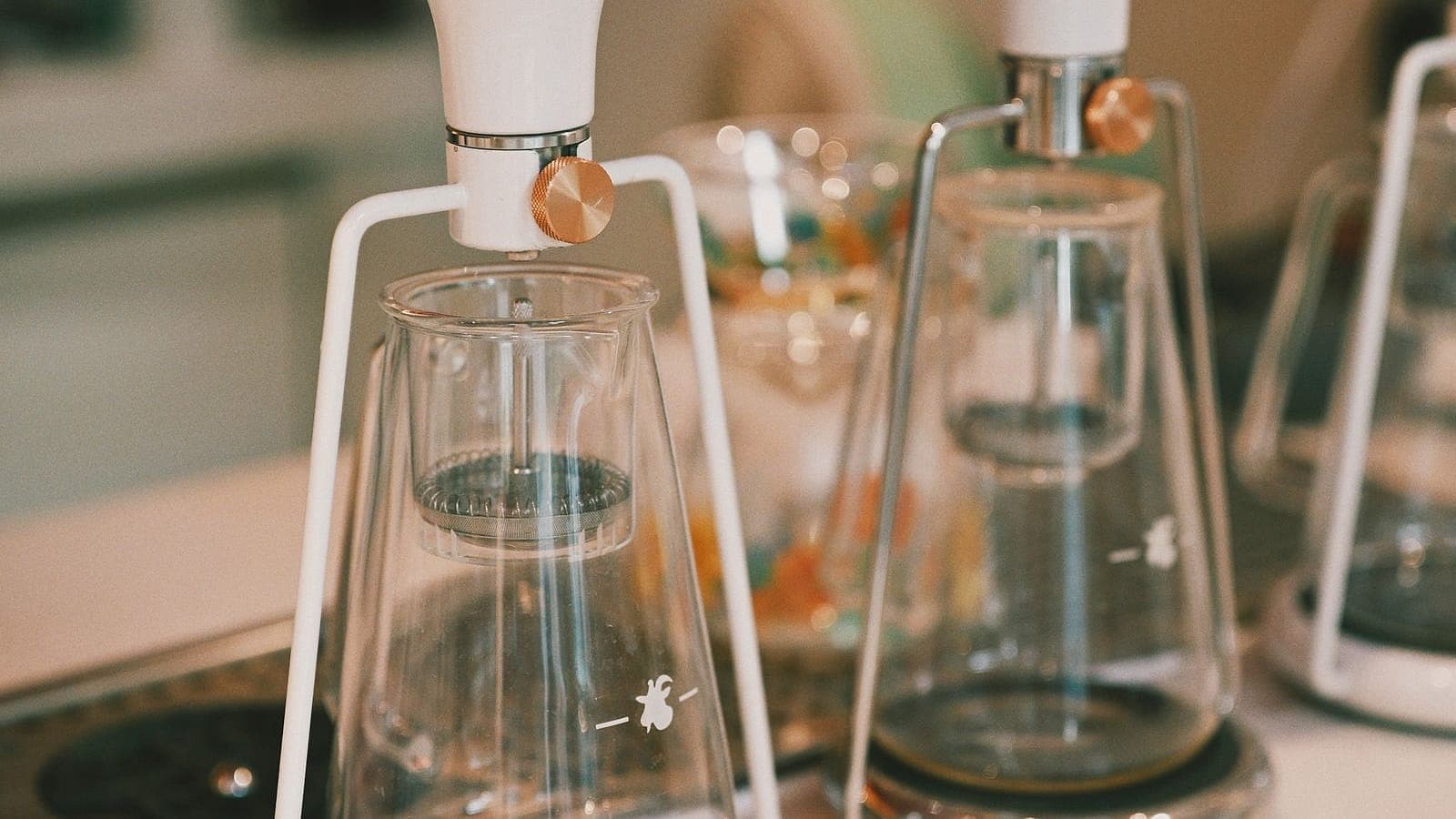
Pour-over is manual drip. You pour hot water over grounds in a cone yourself, controlling the rate and pattern. It’s slower and more involved, and it rewards that attention with a bright, clean, articulate cup. Best for the person who enjoys a five-minute morning ritual and wants to taste what a single-origin bean is doing.
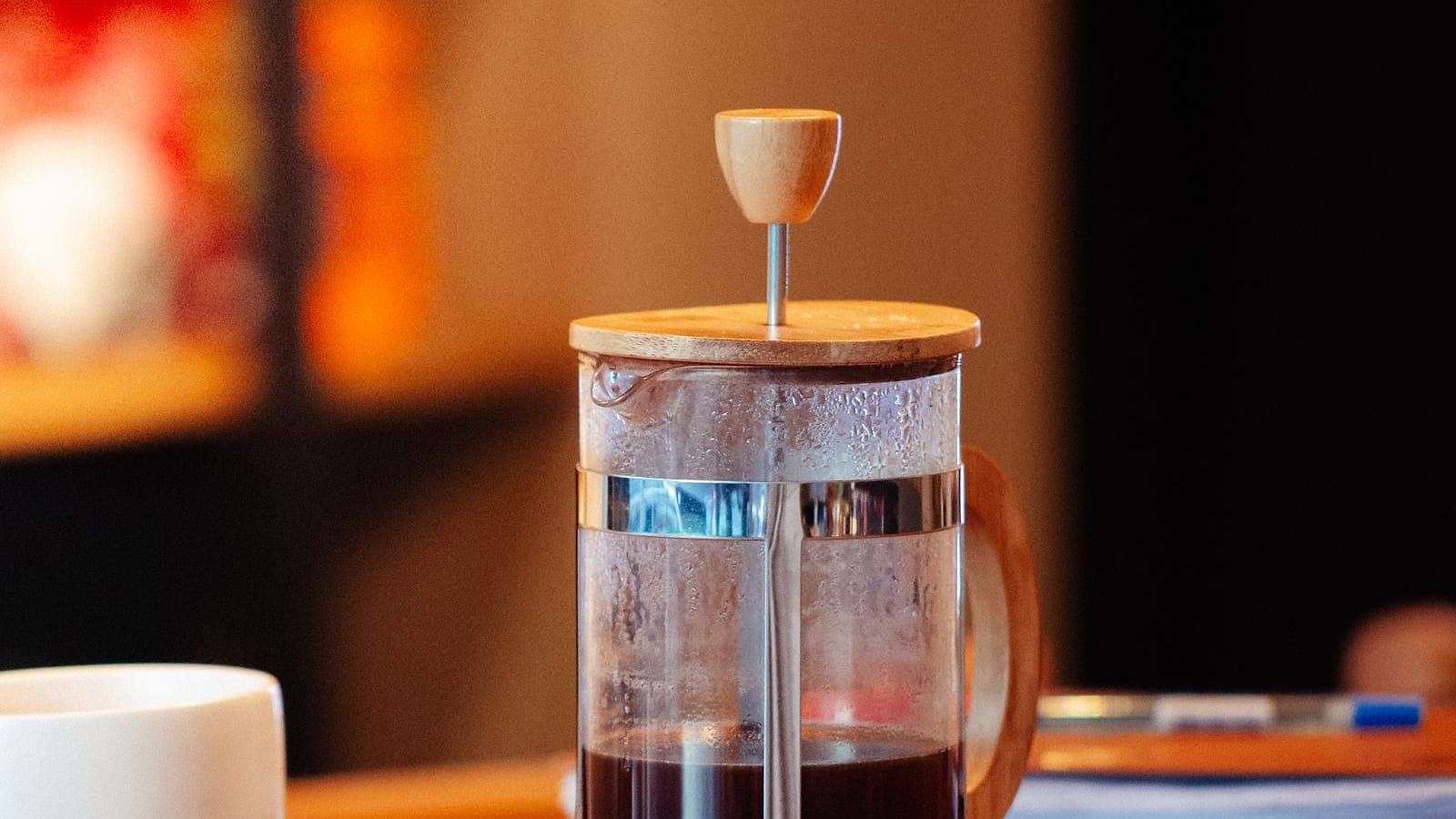
French press is full immersion: grounds steep in hot water, then a metal mesh plunger separates them. Because the coffee’s oils stay in the cup, the body is rich and heavy. Best for anyone who likes a bold, full-bodied brew and doesn’t mind a little sediment.
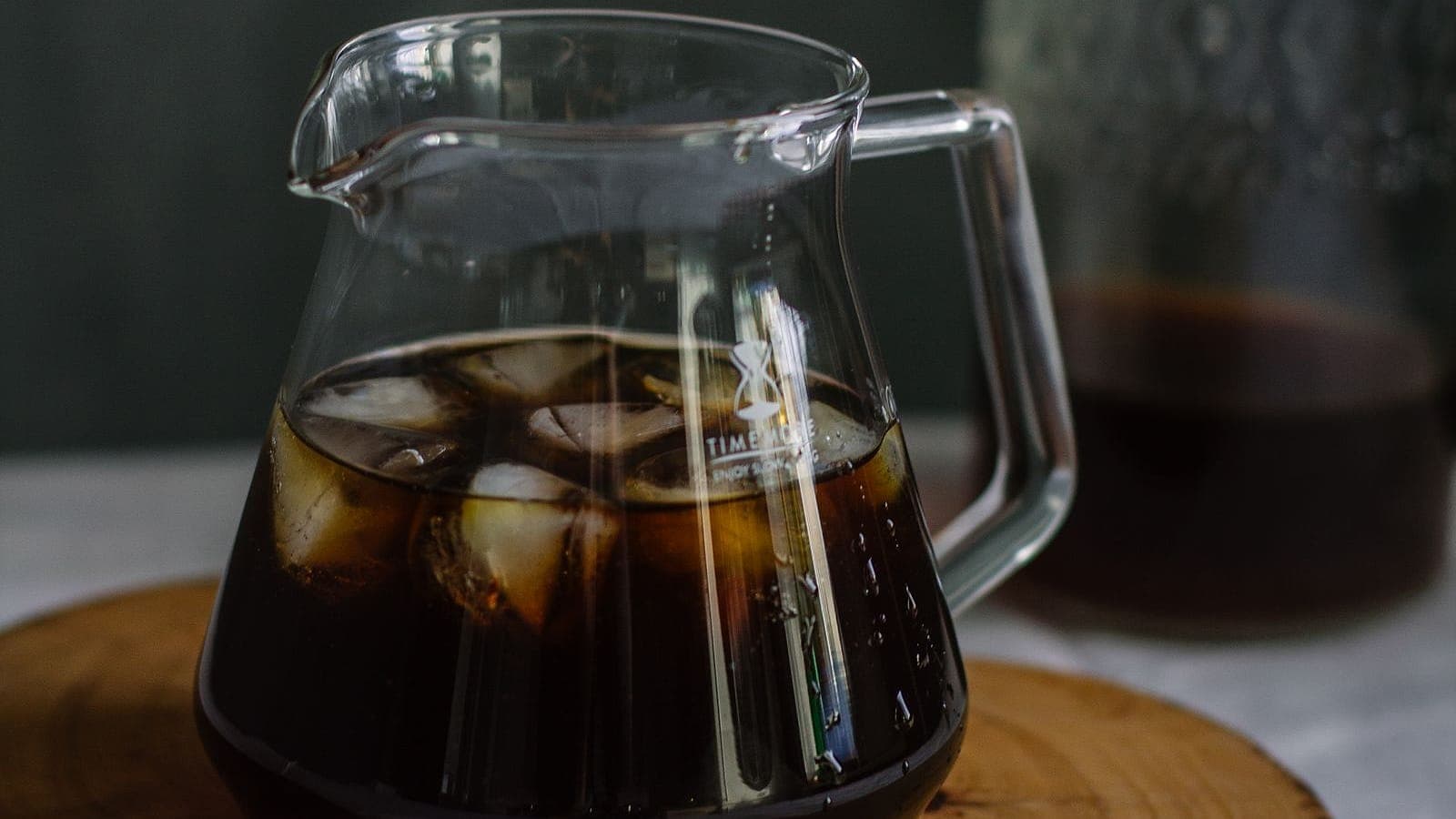
Cold brew steeps coarse grounds in cold water for 12–24 hours, producing a smooth concentrate you dilute to taste. The long, cool extraction is widely reported to taste less bitter and lower in acidity than hot coffee. Best for iced-coffee drinkers who want to brew once and pour for a week.
The best drip coffee makers
Drip is where most people should start, and where the SCA certifications matter most. If you want the full field — more machines, more price points — the deep dive lives in our best drip coffee makers guide. Here are the four that anchor it.
Technivorm Moccamaster — premium ($$$$). Hand-built in the Netherlands and SCA Golden Cup certified, this is the machine you buy once and keep for a decade. It’s deliberately simple: no timer, no app, just a copper heating element that hits the right temperature and a design that’s genuinely repairable. Wirecutter treats it as the splurge favorite. The trade-off is the manual operation — there’s no wake-up-to-coffee programming — and the price. But for even, correct extraction and longevity, nothing here beats it.
Breville Precision Brewer — do-everything ($$$). This is the machine for tinkerers. Its Gold Cup preset meets the SCA standard out of the box, and its “My Brew” mode lets you dial in bloom time, water temperature, and flow rate by hand. Six modes — including a cold brew setting — plus a thermal carafe make it the most flexible drip machine on this list. If you like the idea of one appliance that can brew a fast pot on Monday and a slow, custom bloom on Sunday, this is it.
OXO Brew 9-Cup — best value ($$$, around $200). Wirecutter’s top drip pick, and the one we’d hand most people. It’s SCA certified, uses a “rainmaker” showerhead to saturate the grounds evenly, and runs on a single, uncomplicated dial. You get certified-quality brewing without the Moccamaster’s price or the Breville’s menu of settings. For the majority of buyers, this is the answer.
Cuisinart PerfecTemp — budget ($). The honest cheap default. A 14-cup, fully programmable workhorse that will wake you up to a full carafe. It is not SCA certified, so the temperature precision isn’t guaranteed the way it is on the picks above — but it’s reliable, high-capacity, and inexpensive, and paired with fresh, well-ground beans it makes perfectly good coffee. When budget is the deciding factor, start here.
The best pour-over coffee maker
If you want control and a bright, clean cup, go manual. Our Hario V60 ($) is the pour-over benchmark: a cone dripper with a single large hole and spiral ridges that let you steer flavor with your pour. It’s cheap to buy and endlessly rewarding, but it does demand technique — an uneven pour gives an uneven cup, which is exactly why a consistent grind matters here more than anywhere. The standard specialty-coffee method is to rinse the filter, add medium-ground coffee, bloom by pouring about twice the coffee’s weight in water and waiting 30–45 seconds, then pour in slow stages for a total brew of roughly 2.5–4 minutes at a ratio near 1:16.
For the step-by-step, see how to make pour-over coffee, and for the full field of cones and carafes — including flat-bottom and bonded-filter options — the best pour-over coffee makers roundup.
The best French press
For rich, full body with no gadgetry, the Bodum Chambord ($) is the classic. Full immersion pulls the coffee’s oils straight into the cup, and the Chambord does it cheaply, with replaceable glass and parts so a dropped carafe isn’t the end. Its metal mesh filter lets some fine sediment through — that’s the character of the method, not a flaw, though it’s the reason sludge-averse drinkers look at finer-filtered upgrades. The standard approach: coarse grind, water just off the boil at a ratio near 1:15, steep about four minutes, then press slowly and pour it all off so it doesn’t keep extracting. The full comparison, including grit-free upgrades, is in our best French press guide.
The best cold brew coffee maker
For smooth iced coffee you make ahead, the OXO Good Grips Cold Brew Coffee Maker ($$) is a tidy countertop system: a rainmaker top for even saturation and a one-touch valve that releases the brew when it’s done. Steep coarse grounds in cold water for 12–24 hours at a strong concentrate ratio (around 1:8), then dilute the concentrate roughly 1:1 with water or milk to taste — one batch yields enough concentrate for close to two weeks of iced coffee. Cold brew is widely reported to taste smoother and lower in acidity than hot coffee, which is much of its appeal. For big-batch and cafe-style options, see the best cold brew coffee makers roundup.
The upgrade that beats them all: a burr grinder
Here is the thread that ties every method together. Buy any brewer on this list, and the single biggest upgrade to what’s in your cup is still a good burr grinder. The reason is extraction: even grind size means water pulls flavor evenly, while the ragged, uneven particles from a blade grinder give you bitter and sour in the same cup. A burr grinder beats a blade grinder for every method here, full stop.
One caveat on settings. Espresso wants a very fine grind; the brewers on this page want the opposite. Drip and pour-over want a medium grind, French press and cold brew want a coarse one. Our grinder recommendations live in the espresso-focused best coffee grinders for espresso guide — the same burr grinders apply, you’ll just dial them to a coarser setting for these methods. Spend here before you spend up the drip-machine ladder; it’s the better dollar.