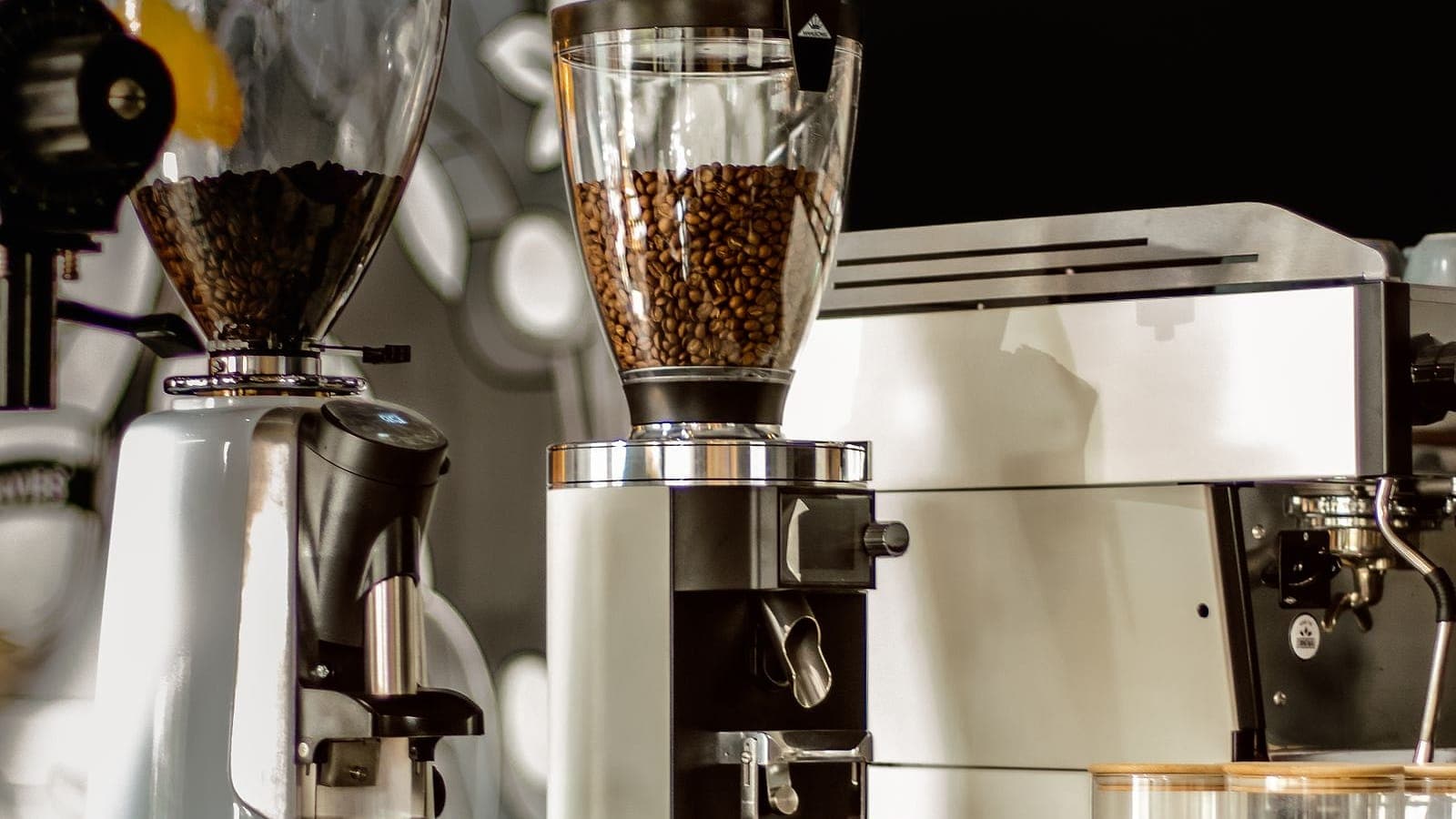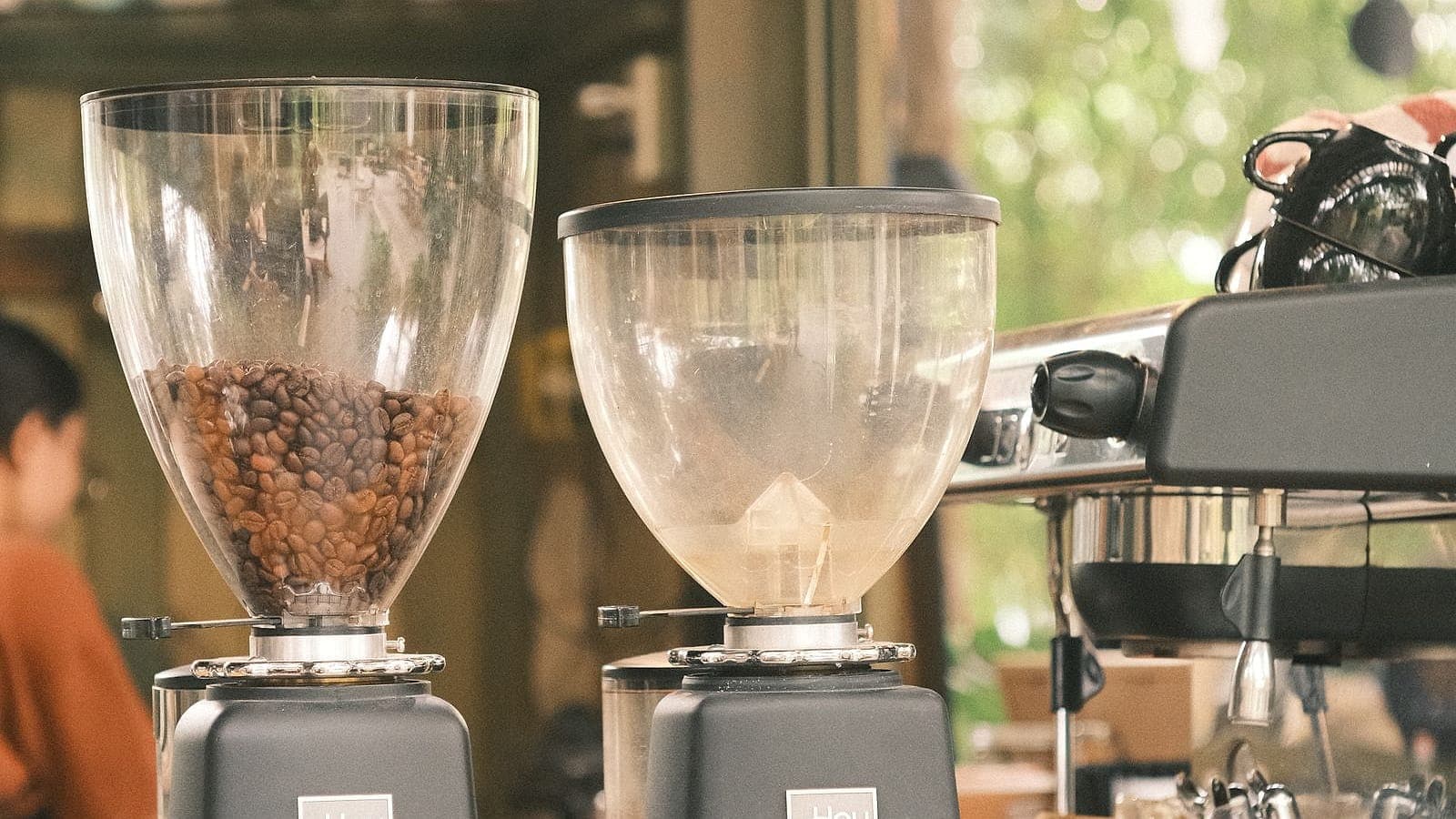
If you can only spend real money in one place, spend it on the grinder. That is the near-unanimous verdict from the people who review espresso gear for a living, and it is the honest starting point for this guide: the grinder matters more than the machine. For most home setups, the Baratza Encore ESP is the grinder to buy — an SCA-award-winning burr grinder that Baratza rebuilt to reach espresso-fine, for around $200. Want stepless precision? Step up to the Eureka Mignon Specialità. Pairing with a Breville? The Breville Smart Grinder Pro slots in neatly. And the one rule that overrides every pick below: buy a burr grinder, never a blade grinder.
A realistic floor helps here. Unless you’re buying an all-in-one or a super-automatic that grinds internally, budget at least ~$150 for a standalone grinder. Below that, you’re usually paying for a device that can’t hold a fine, repeatable espresso grind — which is the entire job.
At a glance
| Grinder | Best for | Burrs | Adjustment | Price band |
|---|---|---|---|---|
| Baratza Encore ESP | Most people / budget | 40mm conical | Stepped, fine micro-steps | $$ (~$200) |
| Breville Smart Grinder Pro | Breville semi-auto pairing | Conical | Stepped, 60 settings | $$ |
| Eureka Mignon Specialità | Premium / precision | 55mm flat | Stepless | $$$ |
Why the grinder matters more than the machine
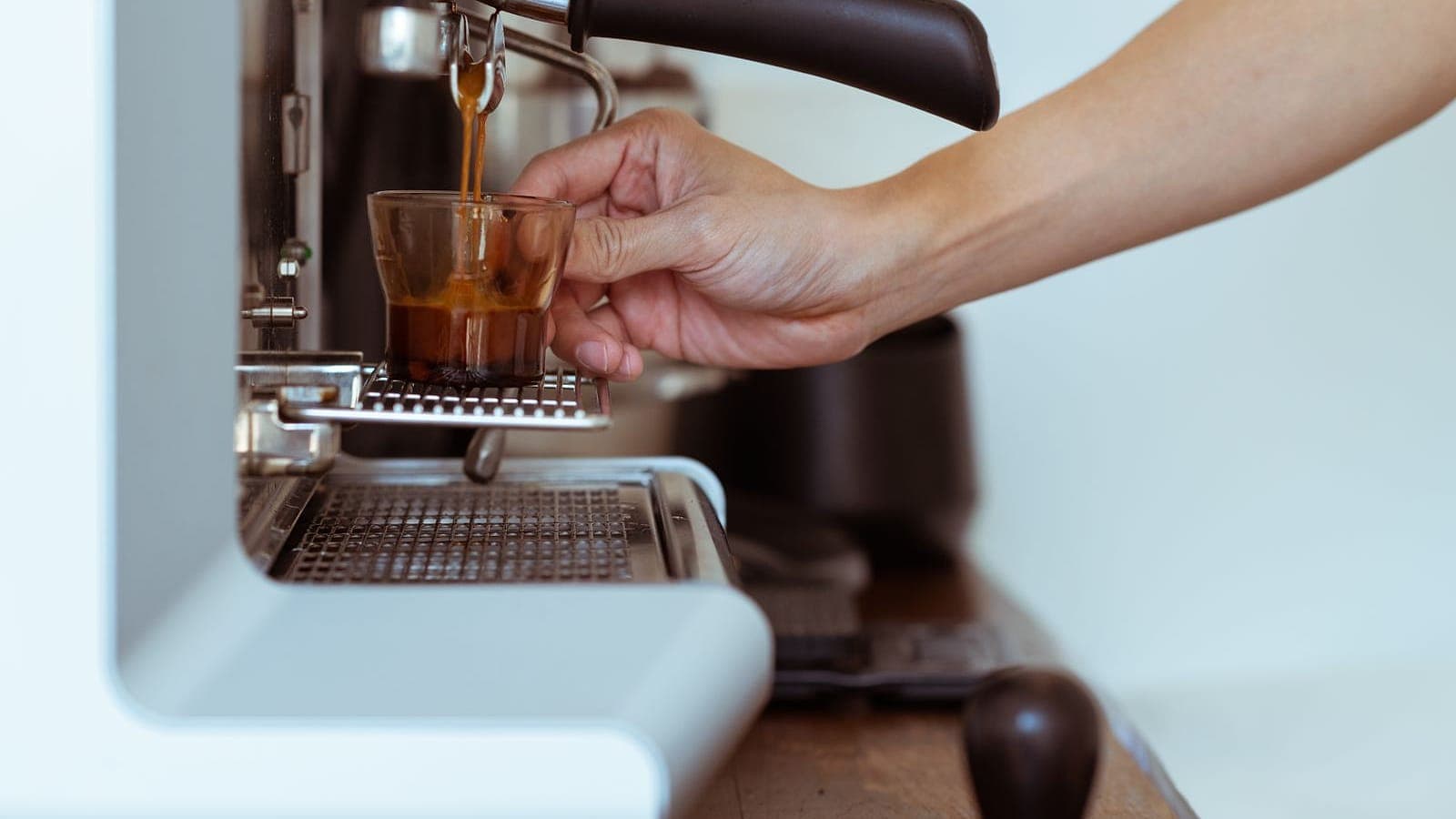
Espresso is a pressure game. The machine forces hot water through a tightly packed puck of coffee at about 9 bar, and the grind size is the valve that decides how fast the water gets through. Grind too coarse and water races the bed: the shot runs fast, tastes sour and thin, and under-extracts. Grind too fine and the puck chokes: the shot crawls, tastes bitter and harsh, and over-extracts. The grinder is what lets you land in between — and then nudge, shot after shot, until it’s dialed in.
That’s why the refrain repeats across expert coverage: a great grinder on a modest machine beats a great machine fed by a bad grinder. The machine mostly delivers pressure and temperature reliably. The grinder delivers the variable that actually changes what’s in the cup. Skimp on it and even an excellent machine has nothing good to work with; invest in it and a mid-tier machine can pull genuinely serious shots.
You need two things from an espresso grinder. First, it has to grind fine enough to reach espresso range at all — many all-purpose grinders top out too coarse. Second, its adjustments have to be small enough to make useful changes. Espresso is fussy: the difference between sour and bitter can be a fraction of a setting. A grinder with big, clunky steps leaves you stuck between “too fast” and “too slow” with nothing in between.
Burr vs. blade: never buy a blade grinder for espresso
This is the one place there’s no debate. A burr grinder crushes beans between two abrasive surfaces set a fixed distance apart, producing particles of roughly uniform size — and you change that distance to change the grind. A blade grinder chops beans with a spinning propeller, producing a chaotic mix of dust and boulders, with no real way to target a size. For drip in a pinch it survives. For espresso it’s a non-starter: the fines choke the puck while the boulders let water gush around them, and you can’t dial anything in because there’s nothing to adjust.
So the first spec to check isn’t the burr size or the settings count — it’s simply burr, not blade. Every pick in this guide is a burr grinder. If a grinder doesn’t say so plainly, assume it’s a blade grinder and skip it.
As for the burr debate that does matter — flat vs. conical — the reported picture is nuanced, not decisive. Flat burrs (like the Eureka’s) are often prized for clarity and separation of flavor; conical burrs are typically praised for value and quieter running. Neither shape wins outright. Consistency and fine adjustment steps matter far more than the shape of the metal, which is why the value pick and the premium pick below can both make excellent espresso despite using different burrs.
Best for most: Baratza Encore ESP
The Baratza Encore ESP is the grinder we’d hand almost anyone getting serious about espresso at home. Baratza took the Encore — long a beloved beginner grinder that couldn’t quite hit espresso — and rebuilt it for the job: finer micro-steps at the espresso end and new 40mm burrs, per Baratza, so it now covers a genuine range from espresso through filter. It’s an SCA award winner, and at around $200 it lands right at the price where a grinder stops being a compromise.
Two things make it the honest first grinder. One, the dual range means it isn’t a one-trick tool — pull shots in the morning, grind for pour-over on the weekend. Two, Baratza’s support and parts reputation is a real reason to buy: these grinders are repairable and backed, not disposable. It’s a stepped grinder rather than stepless, so adjustments come in defined clicks, but the steps near espresso are fine enough for most people to dial in comfortably. If you want the shortest path to “a capable grinder that won’t hold your machine back,” this is it.
Best for a Breville semi-auto: Breville Smart Grinder Pro
If your machine is a Breville — a Bambino, a Barista-series semi-auto, or similar — the Breville Smart Grinder Pro is the natural match. It offers 60 grind settings and, crucially, grinds straight into the portafilter, so there’s no dosing cup, no transfer, no mess between grinder and group head. The dose adjusts along with the grind, which keeps the two-step morning routine tight and repeatable.
It’s worth being precise about why this is the “best for a Breville” pick rather than the outright best: the integration and workflow are the draw. Grinding directly into the basket is a genuine convenience, and pairing it with a matching Breville machine gives you a coherent, low-friction setup at a sensible price. If you own or are buying a Breville semi-auto and want a grinder that feels like part of the same system, this is the one. (If you’d rather the grinder live inside the machine entirely, that’s the all-in-one route — see our best espresso machines guide.)
Best premium: Eureka Mignon Specialità
The Eureka Mignon Specialità is the grinder enthusiasts move up to. It runs 55mm flat burrs and — the headline feature — stepless micro-adjustment, meaning you can fine-tune the grind in a continuous sweep rather than fixed clicks. For anyone who dials in often or chases small changes shot to shot, that resolution is the whole point: you can make an adjustment smaller than any single step on a stepped grinder.
It’s also built for living with. The Specialità is sound-insulated and notably quiet — a real quality-of-life upgrade if your espresso happens early and near sleeping people — and premium grinders like it tend to run cleaner, leaving fewer stale grounds behind between doses. It costs meaningfully more than the Encore ESP, and that’s the honest trade: you’re paying for precision, quiet, and consistency, not for the ability to make espresso at all. Buy it if you dial in frequently and want the ceiling raised, not because a $200 grinder can’t get you great coffee.
What to look for
Whatever you buy, judge an espresso grinder on four things:
- Fineness and adjustment. It must reach espresso-fine, and the steps must be small. Stepped is fine for most people; stepless (as on the Eureka) gives the finest control.
- Consistency. Uniform particle size is what makes extraction even and repeatable. It’s the quiet quality that separates a good grinder from a great one.
- Workflow. Grinding into the portafilter (convenience) versus single-dosing (weigh each dose for freshness and less leftover coffee) is a genuine choice — pick the one that matches how you actually make coffee.
- Noise and retention. Premium grinders generally run quieter and retain fewer stale grounds between uses. Cheaper ones are louder and hold onto more.
A word on care and expectations: keep your beans fresh (rested roughly one to four weeks off roast is the standard specialty-coffee guidance), brush out fines regularly, and don’t expect a $200 grinder to equal a $600 one. Buy to your machine and your habits — over-buying a grinder you’ll never dial in is as wasteful as under-buying one that holds your machine back.
Which grinder for which setup
Match the grinder to the machine and the routine:
- A semi-automatic or manual machine, first grinder, sensible budget: the Baratza Encore ESP. It’s the default for most people and the safest single purchase. Newer to all of this? Start with our best espresso machines for beginners guide, then add the Encore ESP.
- A Breville semi-auto and a taste for a tidy, matched workflow: the Breville Smart Grinder Pro, grinding into the portafilter.
- You dial in often and want precision, quiet, and headroom: the Eureka Mignon Specialità.
- You’d rather not buy a grinder at all: an all-in-one machine with a built-in grinder, or a super-automatic that grinds per cup, folds the grinder into the machine. See best espresso machines and best super-automatic espresso machines.
Once you’ve got the grinder, the grind itself is the master variable at the machine — our guide to how to pull a perfect espresso shot walks through dialing it in, and if you’re still weighing espresso against everyday coffee, espresso vs. coffee covers the difference.
How we chose
We don’t claim in-house testing on a brand-new site, and we won’t pretend to. This guide synthesizes the consensus of established espresso coverage and manufacturer specifications: the grinder-over-machine principle and the burr-not-blade rule are near-universal across expert reviews, and the technique numbers cited (a fine grind, a level tamp, roughly a 1:2 ratio in about 25–30 seconds) are the widely taught specialty-coffee standard rather than our own measurements. For the mechanics of extraction and the standard shot method, we drew on Serious Eats; for the Encore ESP’s redesign and specs, on Baratza; and for the broader expert view on where to spend, on Wirecutter and Forbes Vetted. Prices are given as bands, with the ~$200 Encore ESP figure framed as approximate.