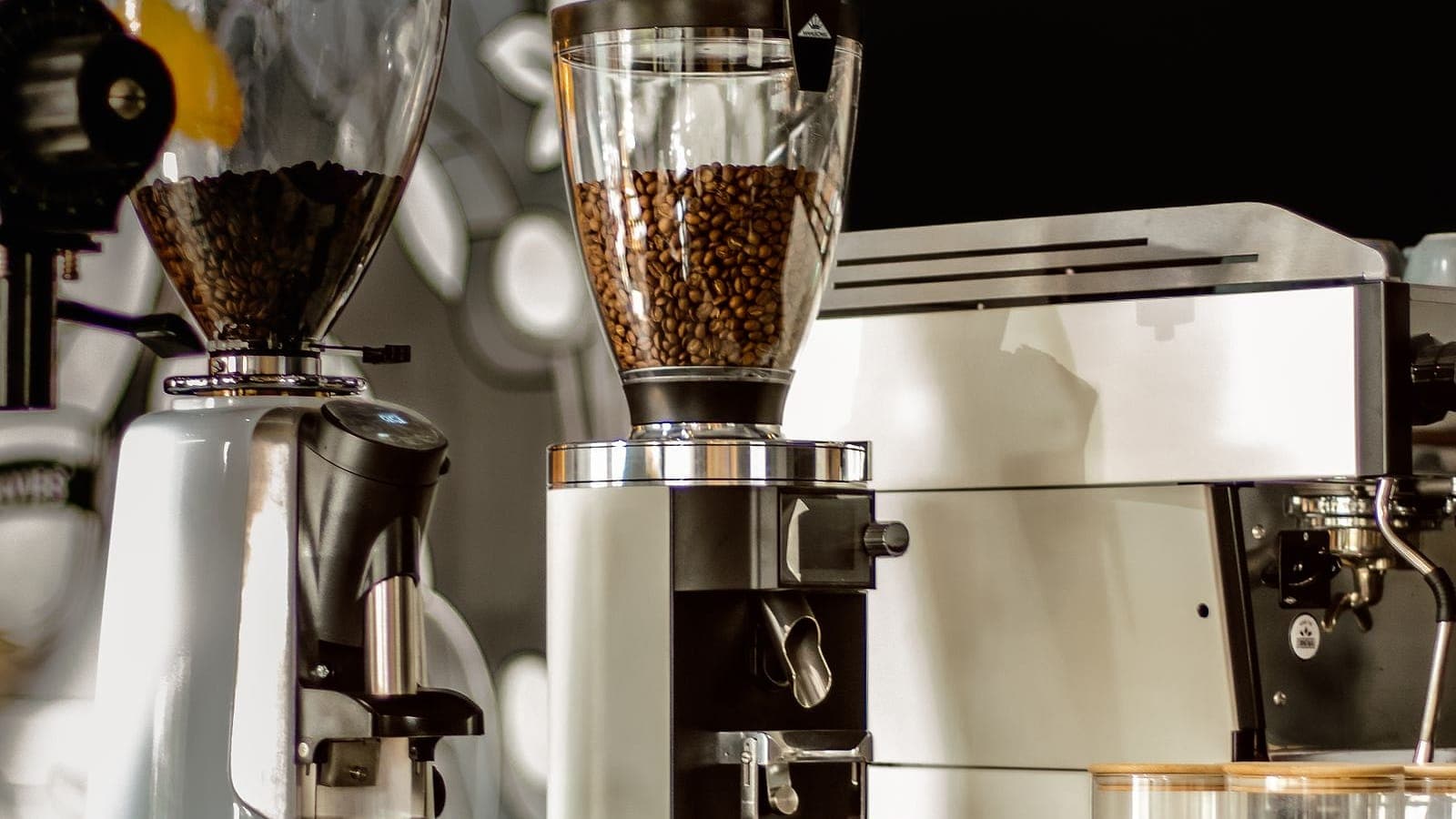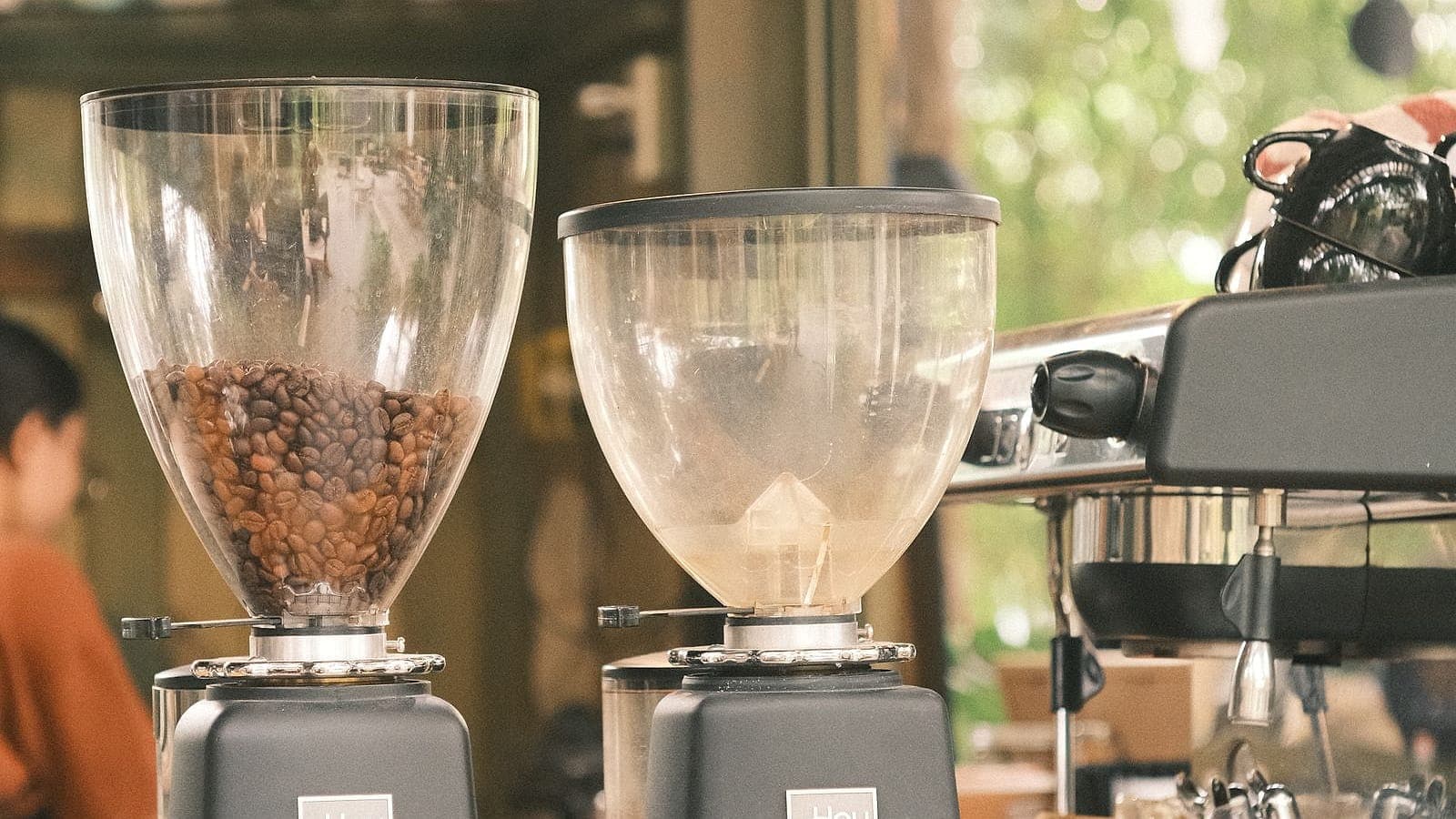
The best espresso machine for beginners depends on which kind of beginner you are. If you want café-quality coffee with the least possible fuss, our pick for most people is the Breville Bambino Plus — it heats in about three seconds, textures milk automatically, and forgives the mistakes every new home barista makes. Here is the one honest catch, and it becomes the theme of this whole guide: the Bambino Plus has no built-in grinder. Across every expert source, the grinder matters more than the machine, so budget for both from day one.
That single fact is where most beginner roundups go wrong. They rank machines and barely mention the grinder, then you buy a lovely little espresso maker, feed it pre-ground supermarket coffee, and wonder why the shots taste flat. So this guide sorts the choice by the kind of beginner you are — minimal-fuss, best-value, or learn-the-craft — and it budgets the grinder in every time.
At a glance
| Pick | Best for | Grinder included? | Price band |
|---|---|---|---|
| Breville Bambino Plus | Most beginners | No — buy one separately | $$$ |
| Baratza Encore ESP | The grinder to pair with it | It is the grinder | $$ |
| Breville Barista Express | Best all-in-one | Yes — built in | $$$ |
| Breville Barista Touch | Most hand-holding | Yes — built in | $$$$ |
| Gaggia Classic Pro | Learning the craft | No — buy one separately | $$$ |
Price bands are ballpark tiers, not live prices; check current listings before you buy. The grinder column is the one people skip — read it twice.
How we chose
We built these picks from the most credible published testing rather than any first-person testing of our own, since Cookloom is a new site and we would rather be honest than pretend. We leaned on Forbes Vetted’s best espresso machine guide and Wirecutter’s guide to beginner espresso machines, cross-checked technique against Serious Eats, and confirmed grinder specs with Baratza.
One caveat shaped every recommendation below: the #1 refrain across these sources is that the grinder matters more than the machine. Unless you buy an all-in-one or a super-automatic, plan to spend at least around $150 on a dedicated grinder. If you want the full field beyond beginners, see our best espresso machines roundup; if you would rather never touch a grinder at all, the best super-automatic espresso machines do the whole job at one button.
The three beginner paths
Almost every first-timer falls into one of three camps. Find yours, and the machine chooses itself.
“I want good espresso with minimal fuss, all in one box.” Get an all-in-one with the grinder built in — the Breville Barista Express, or the Breville Barista Touch if you want a screen walking you through each step. Beans in, shot out, nothing to shuffle between appliances.
“I want the best-value shot and don’t mind two devices.” Get the Breville Bambino Plus and a standalone grinder like the Baratza Encore ESP. This pairing often beats an all-in-one on shot quality, because a dedicated grinder is simply better than the compact one packed inside a combo machine.
“I want to learn like a barista.” Get the Gaggia Classic Pro and a grinder. It is manual, it makes you do the work, and mastering it teaches you skills that transfer to any machine you touch later.
The honest total-cost note applies to two of those three paths: a machine’s sticker price is only half your setup unless it is an all-in-one or a super-automatic. Add the grinder before you decide what you can afford.
Best for most beginners: Breville Bambino Plus
The Breville Bambino Plus is the machine we would put in front of most new home baristas. Its ThermoJet system heats in roughly three seconds, so there is no standing around waiting for a boiler, and its automatic steam wand textures milk hands-free — you set it and it stops on its own, which is the single biggest shortcut to café-style microfoam for someone who has never steamed milk before. Reviewers consistently note that it punches well above its compact footprint, delivering shot quality you would expect from a larger, pricier machine.
The catch, again, is the grinder. The Bambino Plus does not have one, so factor a separate grinder into your budget. Do that, and this is the forgiving, fast, small-kitchen-friendly machine that turns a nervous beginner into a confident one. If lattes and cappuccinos are your thing, the automatic milk texturing alone justifies the pick.
The grinder to pair with it: Baratza Encore ESP
If you go the Bambino route, the Baratza Encore ESP is the default other half of the budget. Baratza rebuilt the beloved Encore specifically for espresso, giving it the fine, adjustable range that espresso demands, and it has earned SCA recognition for the value it delivers at roughly $200. It is the grinder most experts point beginners toward first.
Why does this matter so much? Espresso lives or dies on grind. The standard specialty-coffee guidance is a fine, even grind you can dial finer or coarser to control how fast the shot runs — and a cheap grinder simply cannot hold that consistency. Spending here is not an upgrade; it is the foundation. For the full comparison of espresso grinders at every price, see our best coffee grinders for espresso guide.
Best all-in-one: Breville Barista Express
The Breville Barista Express more or less built the all-in-one category by putting a conical burr grinder inside the machine, so you go from whole beans to a pulled shot on a single appliance with nothing to move between devices. For a beginner, that tight loop — grind straight into the portafilter, tamp, brew, steam — is the fastest way to build a repeatable routine, and it sidesteps the “buy a separate grinder” homework entirely.
Forbes Vetted’s overall pick is actually the newer Barista Express Impress, which adds an assisted tamping mechanism to take the guesswork out of puck prep; if your budget stretches, it is a genuinely useful upgrade for beginners. But the classic Barista Express remains the iconic, easiest single purchase in home espresso, and it is the machine to beat if you want everything in one box.
Most hand-holding: Breville Barista Touch
If you want the machine to coach you, the Breville Barista Touch is the most guided option here. A color touchscreen walks you through grind, dose, and steam step by step, the grinder is built in, and — like the Bambino and Barista Express — it heats in about three seconds. For a beginner who wants café drinks with as little judgment as possible, the screen turns an intimidating process into a set of prompts you tap through.
It sits at the top of our beginner price band ($$$$), so it is the splurge of this list. But it is also the closest a traditional machine comes to holding your hand, and its automatic milk texturing makes lattes approachable from day one. If a premium machine is on the table as a gift, it fits comfortably alongside our splurge kitchen gifts.
Best to learn the craft: Gaggia Classic Pro
The Gaggia Classic Pro is the machine for the beginner who wants to become a barista rather than just push a button. It uses a 58mm commercial portafilter — the same café-standard size professionals train on — is made in Italy, brews at 9 bar, and is famously repairable, so it can last for years and reward tinkering. The saying among enthusiasts holds: master this and you can use any machine.
Two honest trade-offs come with that reward. It is manual, so there is no automatic milk texturing and no on-screen coaching — you develop the touch yourself. And it is a single boiler, which means you wait a moment between pulling a shot and steaming milk. That is a real learning curve, but it is exactly the point. Pair it with a capable grinder, and it is the most educational way to start.
What actually matters (and what to skip)
Beginners tend to obsess over the machine and ignore the things that genuinely change the cup. What matters most: fast heat-up so you actually use it, forgiving pressure and pre-infusion, a real steam wand — automatic on the Bambino Plus and Barista Touch, which makes microfoam far easier — and, above all, a grinder that reaches espresso-fine and adjusts in small steps.
What to skip: pressurized “dual-wall” baskets. They fake crema to compensate for bad or stale grounds, and once you own a decent grinder they only hold you back. Swap to a standard single-wall basket as soon as your grinder can handle it. And do not over-index on stainless steel styling or built-in pressure gauges; they are nice, but they will not save a shot ground on the wrong equipment.
New to pulling shots?
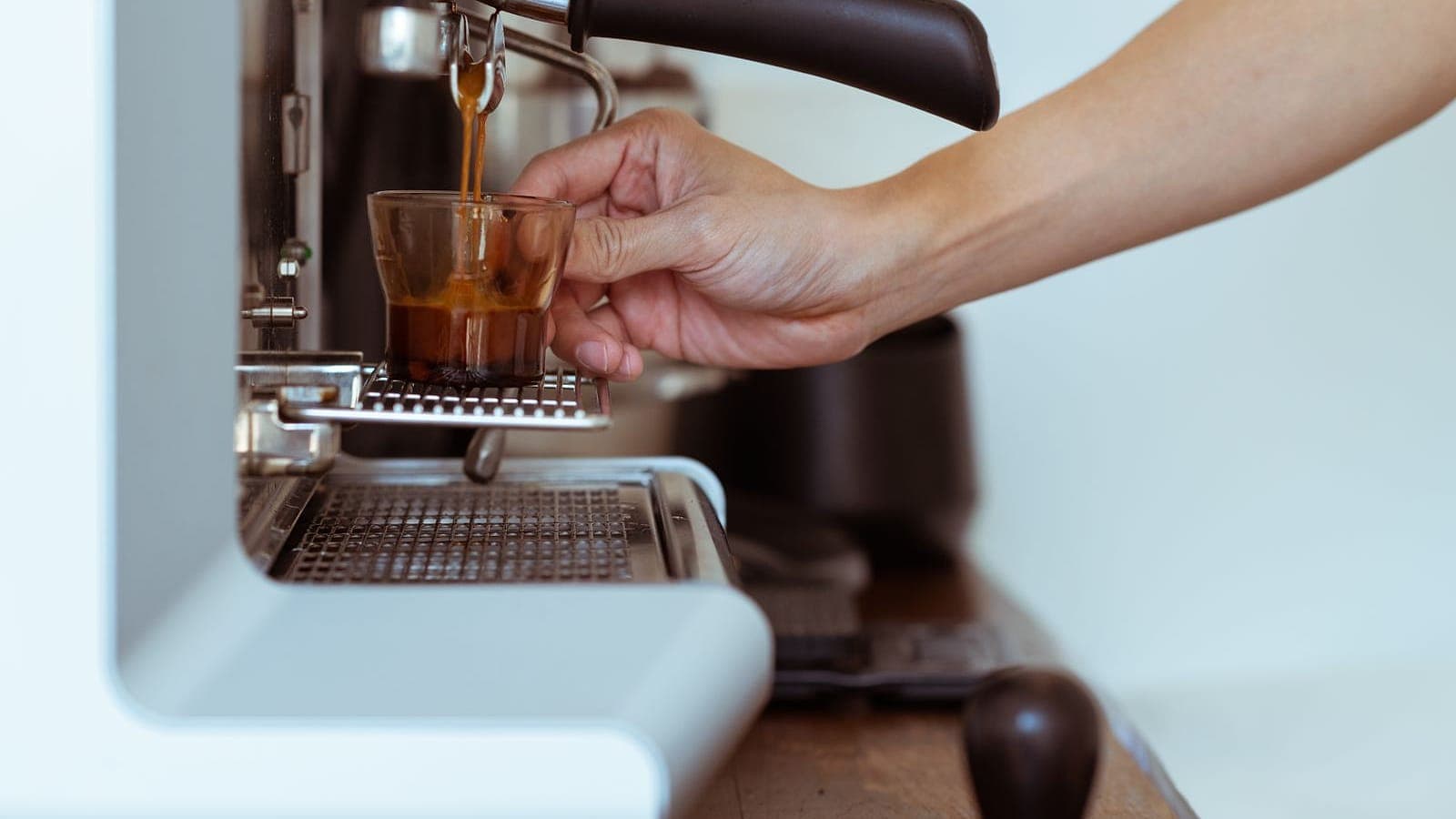
Once your machine and grinder arrive, the technique is the same across all of them. The standard specialty-coffee guidance is about 18 grams of coffee in a double basket, ground fine, distributed and tamped level, aiming for roughly a 1:2 ratio — about 18 grams in to about 36 grams out — in around 25 to 30 seconds. Running too fast and sour? Grind finer. Too slow and bitter? Grind coarser. Grind is the master variable, which is the whole reason we keep insisting on a good grinder.
Our step-by-step how to pull a perfect espresso shot walks through dialing in from your first pull, and if you are still deciding whether espresso is even the brew for you, espresso vs coffee explains the difference in plain terms.