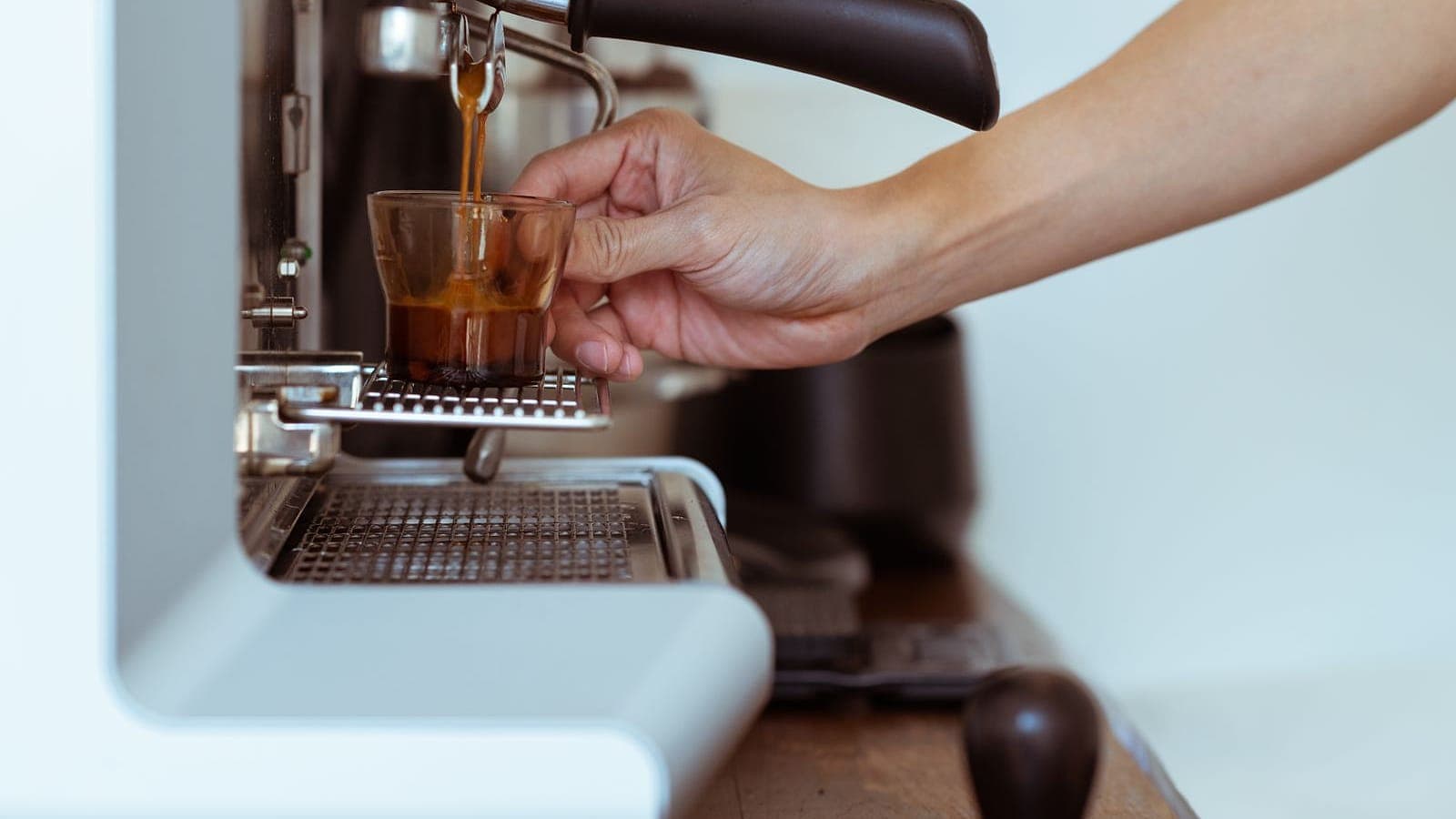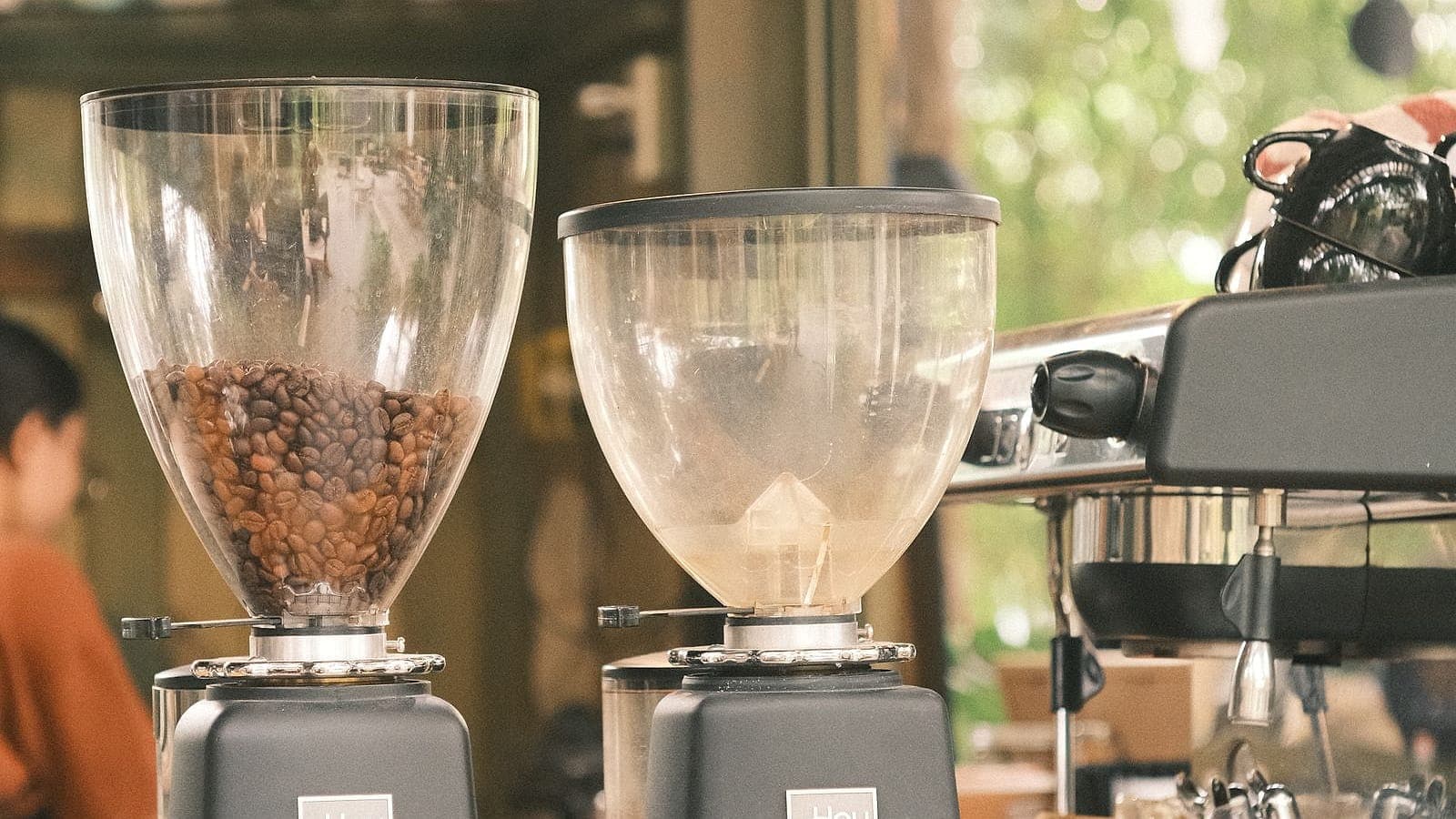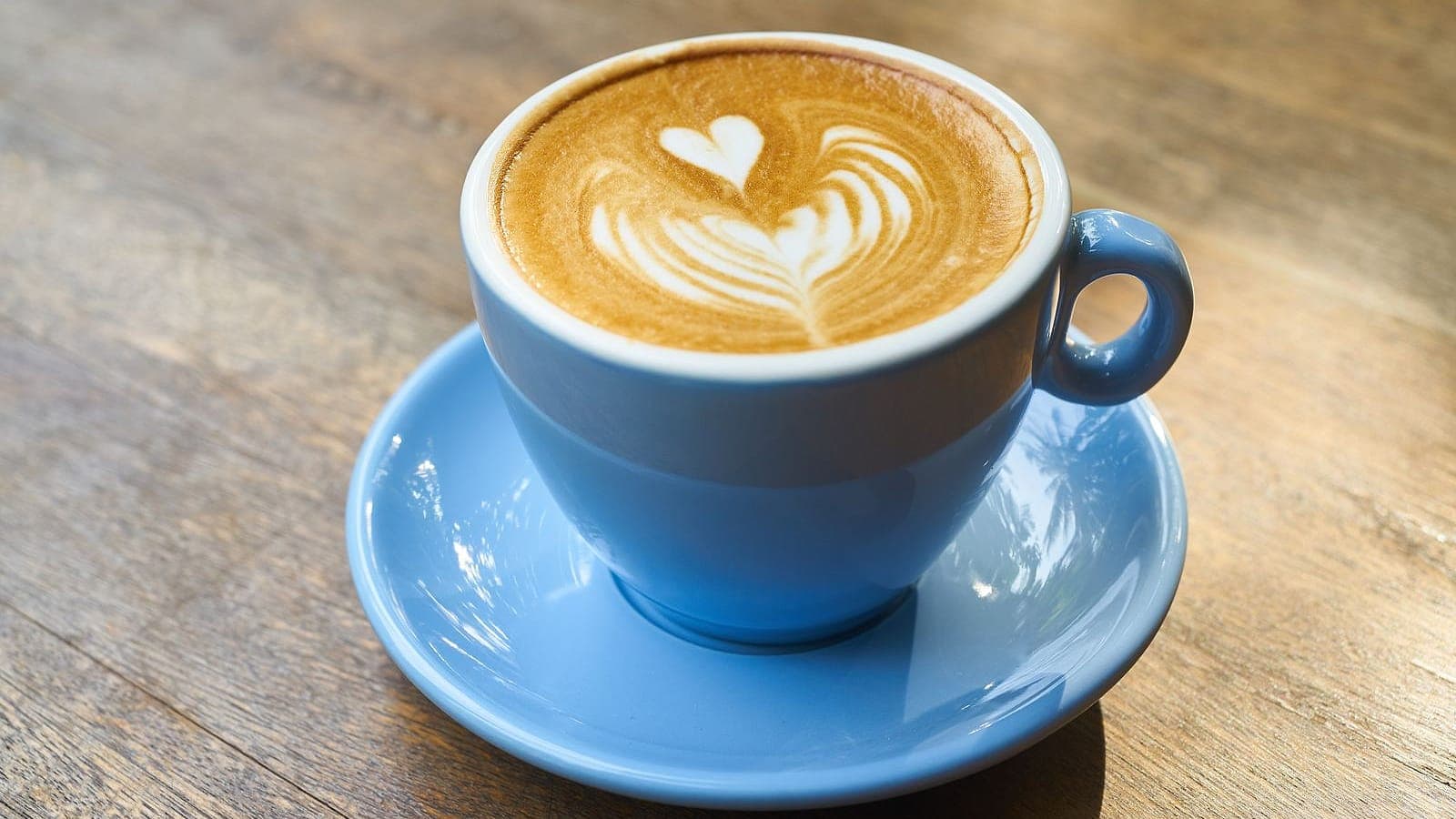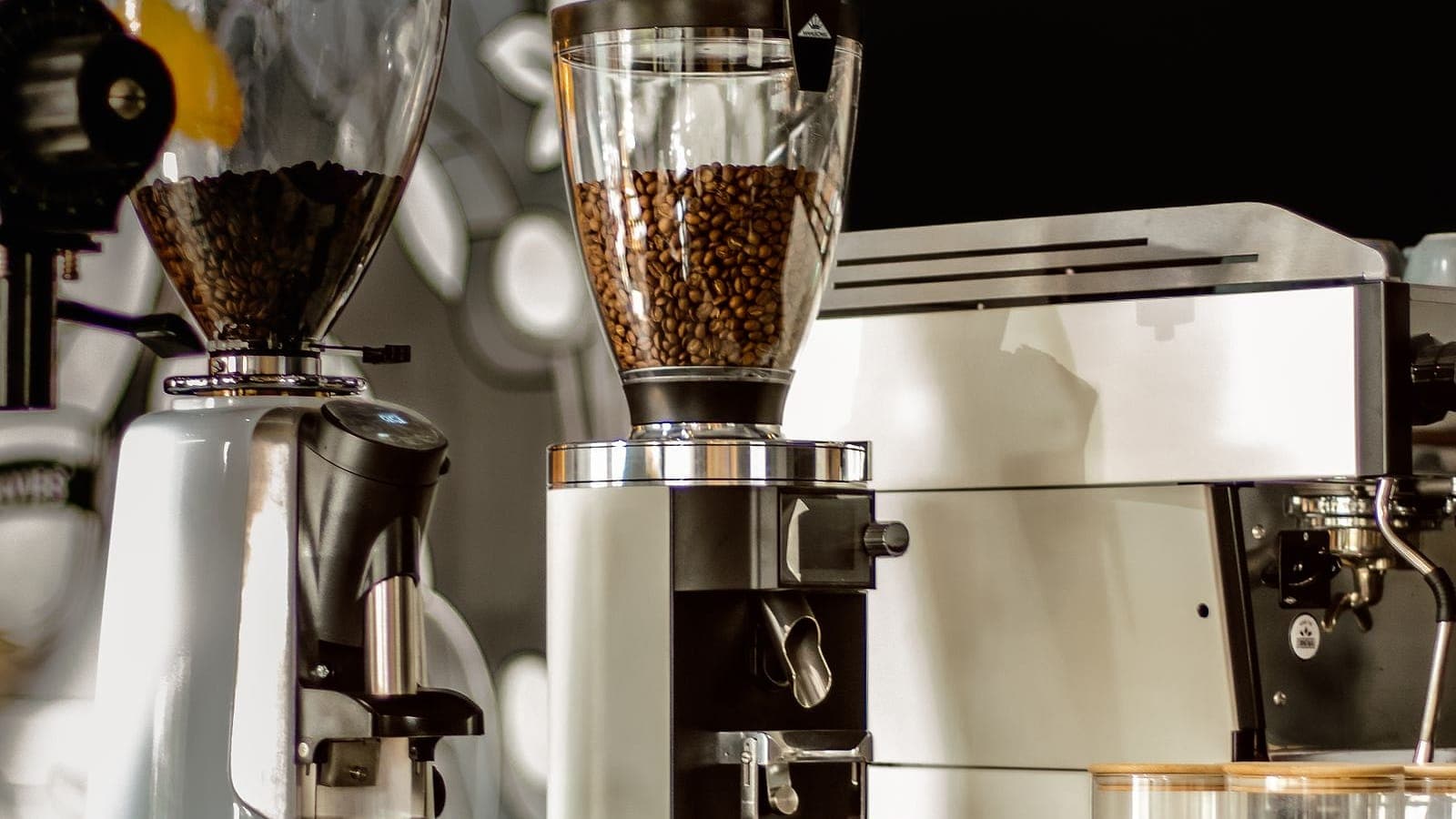
There is no single best espresso machine. There’s a best machine for how involved you want to be — and once you accept that, the whole category gets easier to shop. Want everything in one box? The Breville Barista Express is the iconic all-in-one, with the grinder built right into the machine. Want the smallest, most forgiving setup for most people? That’s the Breville Bambino Plus (pair it with a separate grinder). Want to press one button and walk away? A De’Longhi super-automatic does the grinding, brewing, and frothing for you.
And here’s the honest part every expert repeats: the single upgrade that changes your cup more than the machine itself is the grinder. Plan to spend at least around $150 on one — unless your machine already has a grinder inside, or is a super-automatic that grinds for you. Buy a great machine and feed it stale, unevenly ground coffee and you’ll pull disappointing shots forever. That truth shapes every pick below.
At a glance
| Pick | Best for | Type | Grinder included? | Price |
|---|---|---|---|---|
| Breville Barista Express | All-in-one / overall | All-in-one (semi-auto + grinder) | Yes, built in | $$$ |
| Breville Bambino Plus | Most people | Semi-automatic | No — add a grinder | $$$ |
| Gaggia Classic Pro | Hands-on / learning the craft | Semi-automatic | No — add a grinder | $$$ |
| De’Longhi Magnifica Evo | One-touch convenience | Super-automatic | Yes, built in | $$$ |
| Breville Barista Touch | Touchscreen hand-holding | All-in-one (semi-auto + grinder) | Yes, built in | $$$$ |
| Nespresso Vertuo | Easiest / zero effort | Pod / capsule | N/A — uses capsules | $ |
| Baratza Encore ESP | The grinder you’ll also need | Grinder | It is the grinder | $$ |
Prices are shown as bands ($ = least expensive, $$$$ = most) because street prices move with sales and bundles. Where a specific figure helps, we’ve noted it as an approximate anchor.
How we chose
We’re a new site, so we’re not going to pretend we’ve spent a year steaming milk in a lab. Instead, we read the outlets that have done that testing, looked for where their picks agree, and translated the consensus into a map you can actually shop from.
Forbes Vetted’s espresso-machine guide names a Breville all-in-one as its overall pick, and Wirecutter’s beginner guide points most newcomers toward the compact, automatic-milk end of the range. For grinder specs we relied on Baratza, and for the mechanics of a good shot we leaned on Serious Eats. Throughout, the numbers we cite for technique — dose, ratio, timing — are the widely taught specialty-coffee standard, not measurements we’re claiming as our own. Full list at the end in Sources.
The four kinds of espresso machine
Before the picks, orient yourself. Almost every home machine falls into one of four buckets, and knowing which one you want narrows the field fast.
- Semi-automatic. You grind, dose, tamp, and steam; the machine controls the pump. This is the most control and the most skill — the classic espresso hobby.
- All-in-one. A semi-automatic with a grinder built into the body, so bean-to-shot happens on one appliance. You still tamp and steam, but you skip buying a separate grinder.
- Super-automatic. Bean-to-cup at the touch of a button: it grinds, tamps, brews, and often froths for you. Least control, most convenience.
- Pod. Capsules you drop in and press once. No skill required, and — honestly — no real barista control either.
Then the rule that cuts across all four: for anything you grind yourself (semi-auto or all-in-one that lets you use fresh beans), the grinder decides more of your shot quality than the machine does. If you go semi-automatic, budget for a real grinder from day one. Not sure which bucket fits you? Our beginners guide, our grinder guide, and our super-automatic guide go deeper on each.
Best all-in-one: Breville Barista Express
If you want one appliance that takes you from whole beans to a finished shot, the Breville Barista Express is the machine that built this category. Its whole idea is a burr grinder living inside the machine, so you grind straight into the portafilter, tamp, and pull — no second box on the counter, no second purchase. That integration is exactly why it lands as so many editors’ default recommendation for a first “real” espresso setup.
There’s a newer variant worth knowing about: the Barista Express Impress, which adds an assisted tamping mechanism to take some guesswork out of puck prep — it’s Forbes Vetted’s overall pick. If your budget stretches to it, the Impress smooths the learning curve; if not, the classic Barista Express delivers the same core promise of grinder-plus-machine in one. Either way, this is the pick for the person who wants control and craft without also having to research grinders. It’s a $$$ machine that quietly replaces two purchases, and a natural first stop from our beginners guide.
Best for most: Breville Bambino Plus
For most people, the machine we’d point to first is the Breville Bambino Plus. It’s tiny — genuinely counter-friendly — and it punches far above its footprint. Its ThermoJet heating system comes up to temperature in around three seconds, so there’s no standing around waiting for a boiler, and its automatic milk texturing froths hands-free, which is the exact step beginners find fiddliest. Wirecutter recommends it for newcomers, and it’s easy to see why: it’s fast, forgiving, and hard to intimidate yourself with.
The catch, and it’s an important one: the Bambino Plus has no grinder. That’s not a flaw so much as a design choice — it keeps the machine small and lets you pair it with a grinder that suits your budget. But it does mean the Bambino Plus is only half of a setup. Buy it, then buy a grinder to match; our grinder guide walks through the options, and the Baratza Encore ESP below is the easy default. Machine and grinder together still land in a sensible $$$ range for most kitchens.
Best hands-on: Gaggia Classic Pro
If the ritual is the point — if you want to learn espresso the way a barista does — the Gaggia Classic Pro is the one to grow into. It’s built around a 58mm commercial portafilter, the same cafe-standard size baristas train on, so the skills you build transfer directly to the machines behind the counter. It’s made in Italy, runs at 9 bar of brewing pressure, and keeps things refreshingly mechanical.
Its main quirk is the single boiler: because one boiler handles both brewing and steaming, you brew your shot first, then wait for it to come up to steam temperature before texturing milk. That extra beat annoys some people and delights others — it’s part of the hands-on character. As the enthusiasts say, master the Gaggia Classic and you can use just about any machine. Like the Bambino Plus, it needs a separate grinder, so factor that into your budget. It’s a $$$ machine that rewards attention rather than replacing it.
Best super-automatic: De’Longhi Magnifica Evo
Not everyone wants to tamp. If your ideal morning is pressing one button and getting a drink while you find your keys, a super-automatic is the honest answer — and the De’Longhi Magnifica Evo is the best-value place to start. It’s a true bean-to-cup machine: it grinds fresh, doses, brews, and hands you espresso (and milk drinks, depending on the model) with minimal fuss. You give up the fine control and top-end shot quality of a semi-automatic, and you gain speed, consistency, and zero technique to learn.
Because the grinder is built in, the “budget for a separate grinder” rule doesn’t apply here — the machine handles it. If you’re weighing whether one-touch convenience is worth the trade-off, or eyeing pricier step-ups like De’Longhi’s touchscreen models or a Jura, our super-automatic guide lays out the ladder. The Magnifica Evo is where most people should start: a sensible $$$ that buys away the entire ritual.
Best touchscreen: Breville Barista Touch
The Breville Barista Touch is for the person who wants control and a guide holding their hand. A color touchscreen walks you through grind, dose, and steam, and — like the Barista Express — it has a burr grinder built in and heats in around three seconds. It essentially puts a coach on the front of the machine, which is a gentle on-ramp if the manual dance of a semi-automatic feels daunting but a pod machine feels like giving up.
That guidance and screen carry a higher price: this is our one $$$$ pick. For that reason it also makes a genuinely impressive gift — a premium espresso setup is exactly the kind of thing people want but won’t buy themselves, which is why it turns up in our splurge kitchen gifts roundup. If the budget’s there and you want the smoothest possible learning experience with real control still on the table, the Barista Touch earns it.
Easiest: Nespresso Vertuo
When the honest answer is “I just want good-enough coffee with zero effort,” the Nespresso Vertuo is the machine. You drop in a capsule — it reads a barcode on the pod to set its own brewing parameters — and press one button. It’s about as foolproof as hot coffee gets, and there’s no grinder, no tamping, and nothing to dial in.
Here’s the caveat we won’t dodge: this is not true barista espresso. It’s a capsule system. You get convenience, not control — the machine decides almost everything, you’re locked into buying pods (which cost more per cup and create more waste than whole beans), and you can’t chase the crema-topped shot a semi-automatic pulls. That’s a fair trade for some households and a dealbreaker for others; just go in clear-eyed. It’s our $ pick precisely because it’s the least machine and the least commitment. If you’re on the fence between “real” espresso and pod convenience, our espresso vs. coffee explainer helps set expectations.
Don’t skip the grinder: Baratza Encore ESP
If you remember one thing from this guide, make it this: the grinder matters more than the machine. It’s the number-one refrain across every expert source, and it’s why a semi-automatic paired with a great grinder will out-pull a fancier machine fed by a cheap one. Espresso is unusually sensitive to grind — the difference between a sour, fast shot and a bitter, choked one is often just a few clicks on the grinder. Budget at least around $150 for one unless you buy an all-in-one or a super-automatic that grinds for you.
The easy default is the Baratza Encore ESP. It’s a rebuild of Baratza’s popular Encore, retuned specifically for espresso’s fine grind range, at roughly $200, and it’s an SCA-award winner. Pair it with the Bambino Plus or the Gaggia Classic Pro and you’ve got a complete, capable setup for a fraction of what a boutique grinder costs. We go deeper on alternatives — from grinders that dose into the portafilter to premium flat-burr models — in our grinder guide.
New to espresso?
If this is your first machine, two guides will save you money and frustration. Start with our beginners guide to match a machine to your patience level, then read how to pull a perfect espresso shot before your beans even arrive.
The short version of the technique, using the standard specialty-coffee guidance: aim for about 18 grams of coffee in a double basket, ground fine; distribute and tamp level; and target roughly a 1:2 ratio — about 18 grams in, about 36 grams out — in around 25 to 30 seconds. Too fast and sour, grind finer; too slow and bitter, grind coarser. Use fresh beans, ideally rested about one to four weeks off roast. Notice how every one of those adjustments runs through the grinder. That’s the whole reason we keep hammering the point.