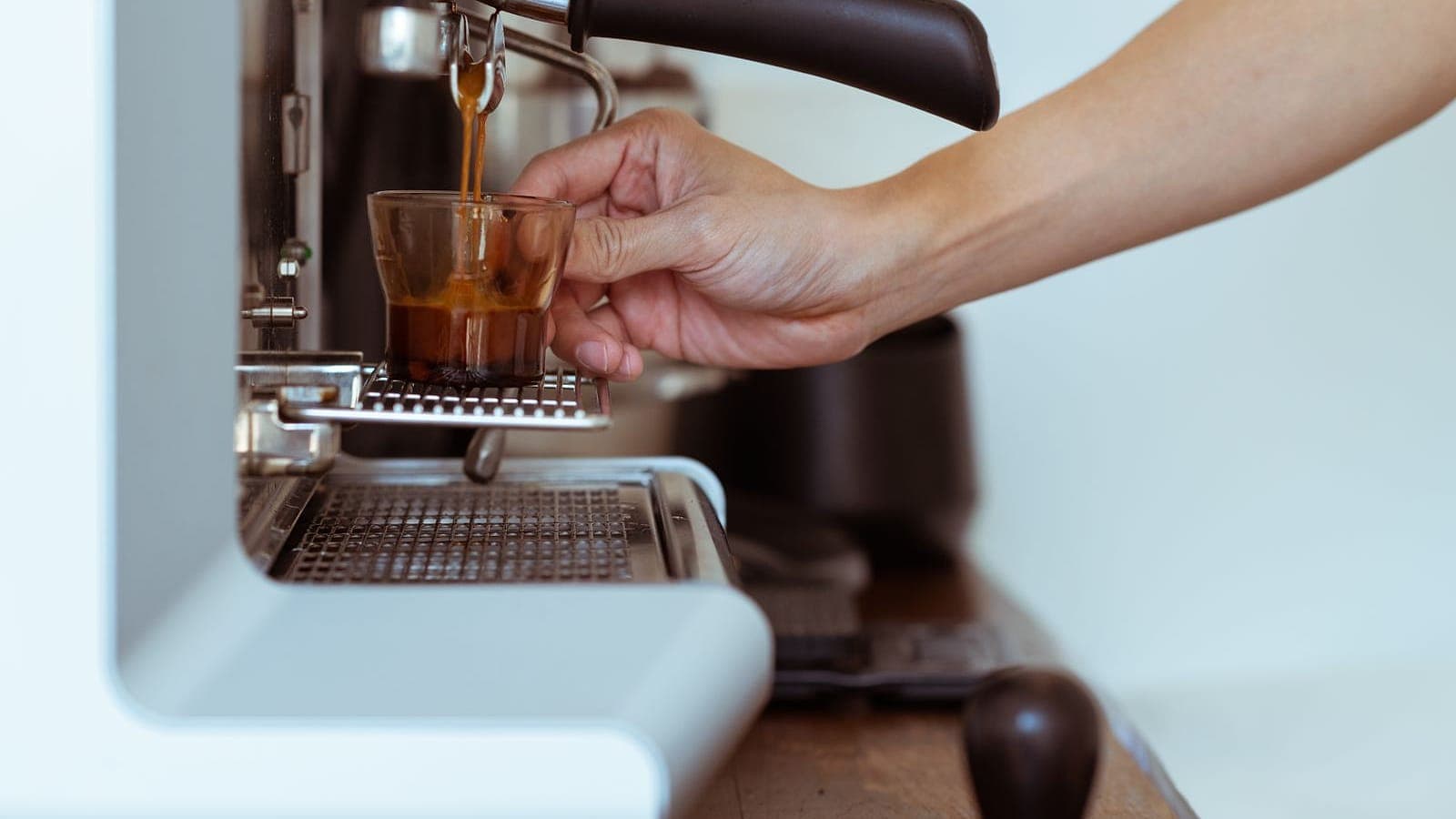
The short version: espresso isn’t a bean or a roast — it’s a brewing method. An espresso machine forces about an ounce of hot water through finely-ground, tightly-packed coffee at roughly 9 bar of pressure in 25 to 30 seconds, producing a small, concentrated shot capped with crema. “Coffee,” as most people use the word, means drip or pour-over: hot water passes through a coarser bed of grounds by gravity to make a larger, lighter cup. The same beans can make either. So the real question isn’t which one is “stronger” — it’s which cup you actually want.
If you have ever stood in the coffee aisle wondering whether an “espresso” bag is a different kind of bean, or argued with a friend about whether a shot has more caffeine than a mug, this is the guide that settles it. The answer is simpler and more useful than most of the internet makes it sound.
The short answer
Espresso and drip coffee begin with the same raw material: roasted coffee beans, ground and met with hot water. What separates them is how the water and the grounds meet.
Espresso uses pressure and a fine grind to pull a tiny, intense shot in seconds. Drip and pour-over use gravity and a coarser grind to make a bigger, gentler cup over a few minutes. Nearly everything people debate downstream — caffeine, “strength,” which bag to buy, which drink to order — comes from that one mechanical difference.
Keep that framing and the rest falls into place: espresso is a method, not a mystery ingredient.
Espresso is a method, not a bean
Here is the myth worth busting first, because it trips up almost everyone.
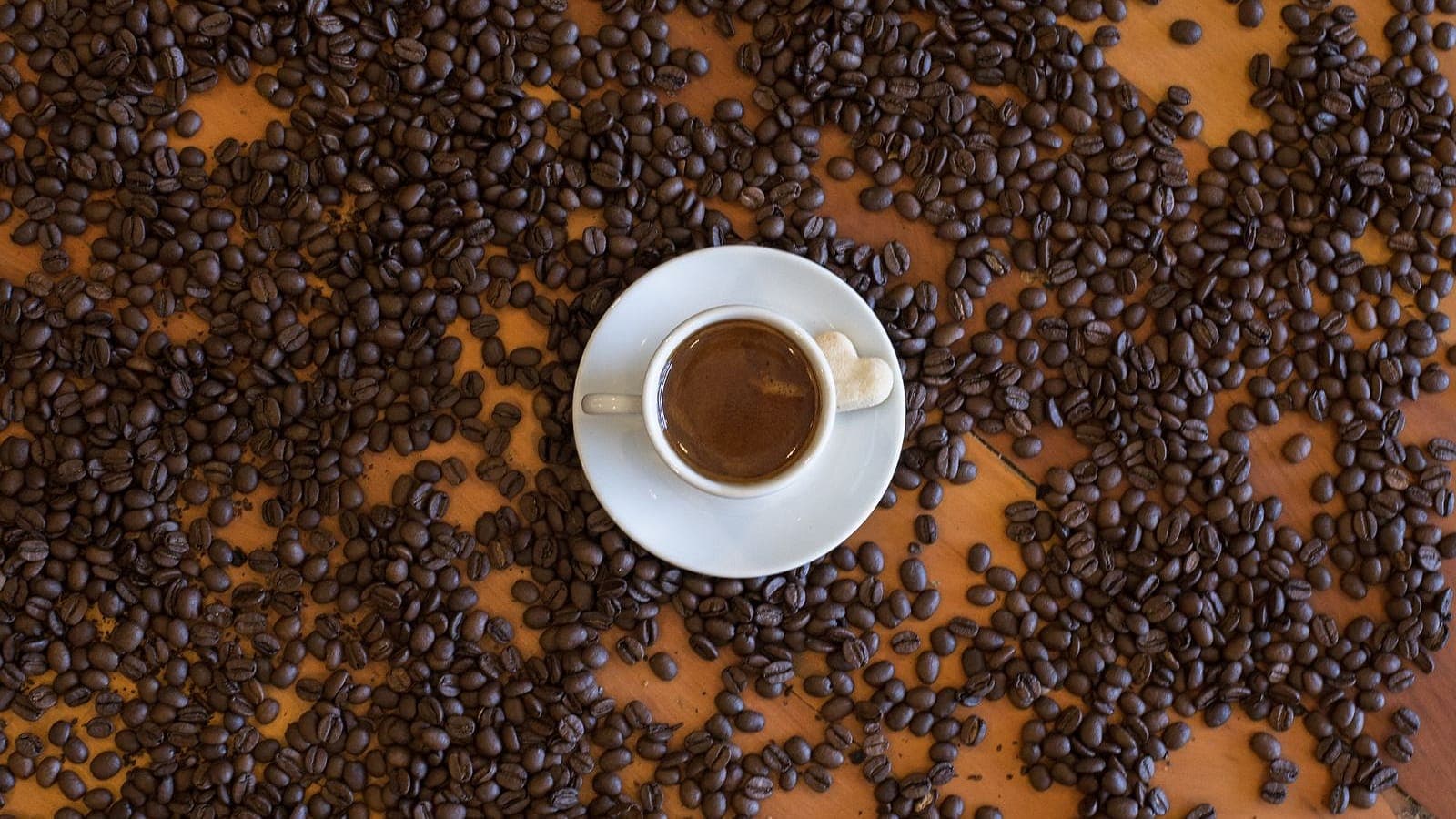
There is no such thing as an “espresso bean” in any meaningful sense. When you see a bag labeled espresso roast, that is a marketing and roasting choice — usually a darker roast that tastes good pulled as a shot and stands up to milk. But it is still just coffee. You can pull a beautiful espresso from a light-roasted single origin, and you can brew a perfectly good pot of drip from a bag stamped “espresso.” The roaster is making a suggestion, not a rule.
What actually makes espresso espresso is the process: a fine grind, a tightly packed puck, high pressure, a small volume of water, and a fast extraction. Change the pressure and the grind and you are no longer making espresso — even if the bean never changed. The method defines the drink, not the bag on the shelf.
How they actually differ
Both drinks extract flavor from coffee with hot water. The variables around that extraction are what diverge, and they diverge a lot.
| Espresso | Drip / pour-over coffee | |
|---|---|---|
| What it is | A pressure brewing method | A gravity / immersion method |
| Pressure | ~9 bar (forced) | None (gravity) |
| Grind | Fine | Medium–coarse |
| Water : coffee | Small water, ~1:2 | Lots of water, ~1:15–1:17 |
| Time | ~25–30 seconds | 3–5 minutes (drip) |
| Result | ~1 oz concentrated, with crema | 8–12 oz, lighter body |
| Gear | Espresso machine + a good grinder | Drip maker / pour-over + a grinder |
A few things worth reading off that table:
- Pressure is the headline. Around 9 bar of pressure is what forces water through a dense, fine puck fast enough to build body and crema. Drip has no pressure at all — it simply lets gravity pull water through.
- The ratio is night and day. Espresso uses very little water relative to coffee (roughly one part coffee to two parts liquid out). Drip uses many times more water for the same amount of grounds, which is exactly why the cup is so much larger and lighter.
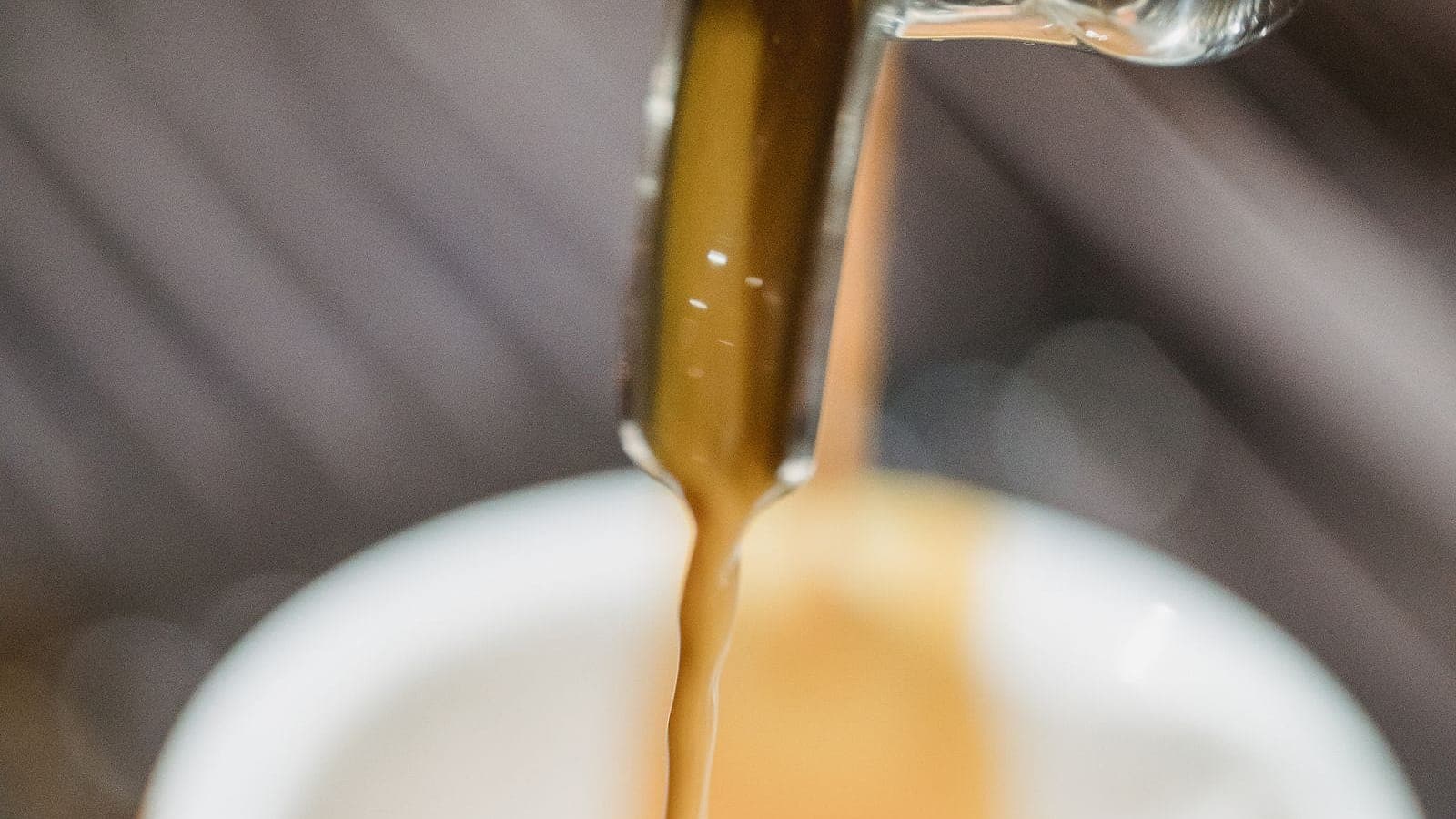
- Crema is an espresso signature. That caramel-colored foam on top of a shot is emulsified oils and dissolved gases that only the pressure method produces. Drip never makes it.
The numbers above (a ~1:2 ratio, roughly 25 to 30 seconds, around 9 bar) are the standard guidance taught across the specialty-coffee world, not a Cookloom measurement — they are the targets most machines and baristas aim for.
Is espresso “stronger”? The caffeine question
This is where most articles get it wrong, so read this part slowly.
Yes, espresso is “stronger” — but only in the sense that it is far more concentrated. Ounce for ounce, a shot of espresso carries more caffeine and much more intense flavor than drip coffee. That is real.
But “stronger” and “more caffeine in your cup” are not the same claim. A shot of espresso is about one ounce. A mug of drip coffee is often eight to twelve ounces. Because the drip cup is several times larger, a full mug frequently delivers as much caffeine as a single shot, or more — simply because you are drinking so much more of it.
So both of these can be true at the same time:
- Per ounce, espresso has more caffeine.
- Per serving, a big drip coffee often matches or beats a single shot.
Which one has more caffeine in practice depends entirely on how much you actually drink. A single shot versus a 12-ounce mug is not a close race by volume. We’re reporting the comparison here, not offering health advice — how much caffeine suits you is a personal call.
The espresso drinks, decoded
Half the confusion at a café is that the menu is really just one shot dressed several different ways. Once you know the shot is the base, the rest is easy.
Espresso-based (all start from a shot):
- Espresso — the shot itself, straight.
- Americano — a shot (or two) topped with hot water; closer to the strength of drip, but built from espresso.
- Latte — a shot with a lot of steamed milk and a thin cap of foam.
- Cappuccino — a shot with roughly equal parts steamed milk and airy foam.
- Macchiato — a shot “marked” with just a little foam.
- Flat white — a shot with thin, velvety microfoam and less milk than a latte.
Coffee-based (no shot, no pressure):
- Drip — the classic auto-brewer pot.
- Pour-over — hand-poured water through a filter cone, one cup at a time.
- French press — grounds steeped in hot water, then pressed through a mesh.
- Cold brew — coarse grounds steeped in cold water for many hours.
If a drink has “shot” in its DNA, it’s espresso-based. If water just runs or steeps through grounds, it’s coffee-based.
Which should you brew at home?
There’s no universally “better” choice — just the one that fits the cup you like and the effort you want to put in. Use this as a quick decision block:
- You want small, intense shots and café milk drinks (lattes, cappuccinos). Make espresso. Start with our roundup of the best espresso machines; if you’re brand new, our picks for the best espresso machines for beginners and our walkthrough on how to pull a perfect espresso shot are the place to begin.
- You want a big, easy mug and minimal fuss. Drip or pour-over is your lane. It’s a future Cookloom guide, but for now the short version is that you need only a maker (or a pour-over cone) and a burr grinder.
- You want café milk drinks with essentially zero skill. Look at a bean-to-cup super-automatic espresso machine — grind, brew, and milk froth happen at one touch.
- Either way, a good burr grinder is the shared upgrade that improves both. More on that next.
The one upgrade that helps both: a good burr grinder
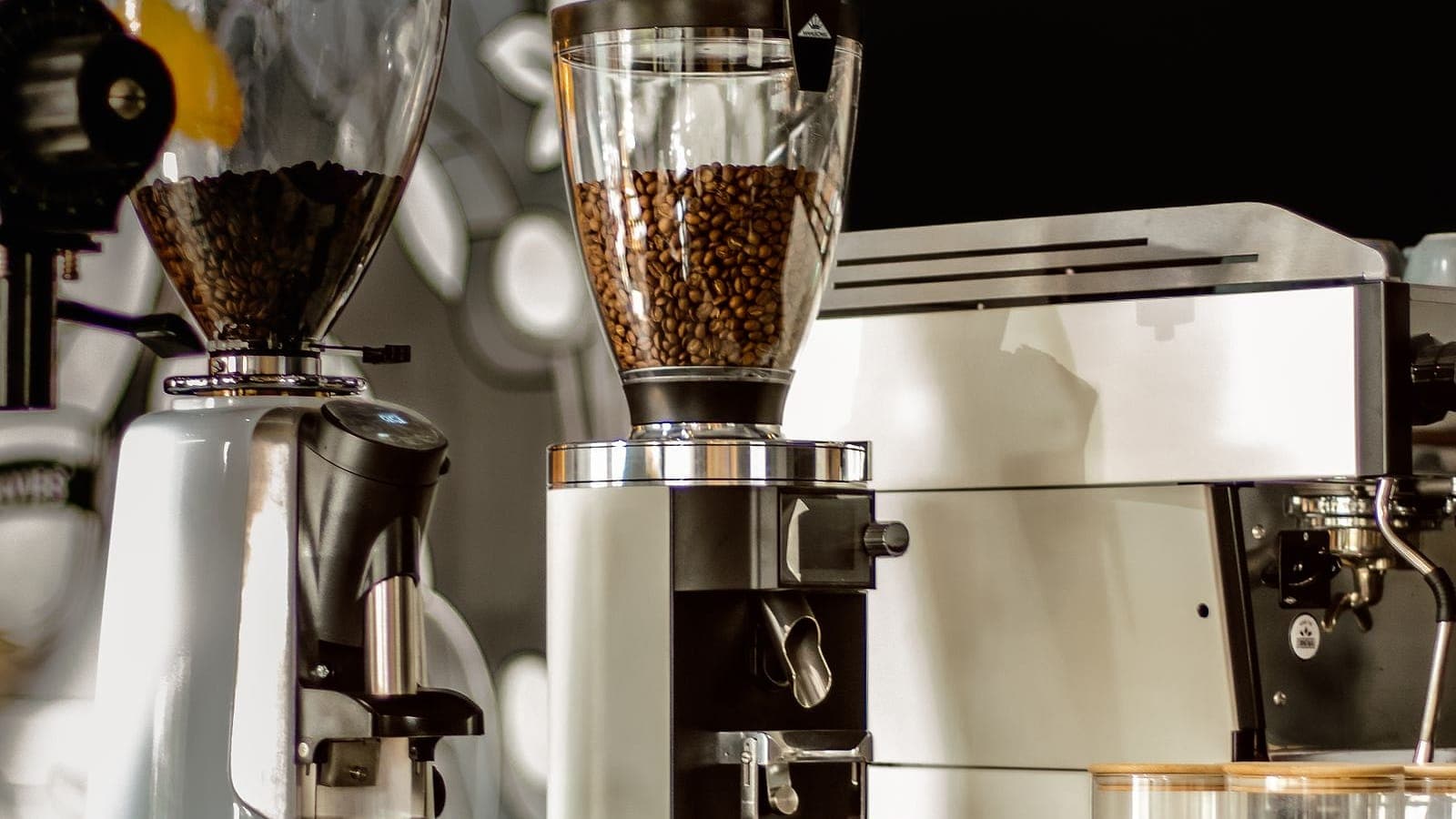
If you take one practical thing from this guide, take this: across every serious coffee source, the loudest refrain is that the grinder matters as much as — often more than — the machine.
Here’s why. A consistent, even grind is what makes extraction predictable, whether water is being forced through a puck at 9 bar or dripping through a filter. A cheap blade grinder chops beans into an uneven mix of dust and boulders, which brews unevenly no matter how good your machine is. A quality burr grinder crushes beans to a uniform size you can dial in, and that single upgrade improves espresso and drip at the same time.
It’s the least glamorous purchase in coffee and the one that pays off most. If you’re weighing where to spend, our guide to the best coffee grinders for espresso covers the burr grinders worth the money — and most of them make your drip cup better too.
The bottom line: espresso and coffee aren’t rivals, and they aren’t different beans. They’re two methods for coaxing flavor out of the same beans — one small and intense, one big and easy. Pick the cup you want, grind it well, and you’ll drink better either way.