If you want one recommendation: the best drip coffee maker for most people is the OXO Brew 9-Cup — Wirecutter’s top drip pick, SCA-certified, and priced around $200. The honest takeaway behind that choice is unglamorous. What separates a great drip machine from a mediocre one isn’t a screen or a scheduler; it’s whether the machine gets the water hot enough (about 195–205°F) and spreads it evenly over the grounds. That is exactly what SCA certification checks, and it’s what a $30 machine usually gets wrong.
From there it comes down to how you drink. Want a hand-built machine you can repair and keep for a decade? Step up to the Technivorm Moccamaster. Want one brewer that also controls the bloom and makes iced coffee and cold brew? The Breville Precision Brewer does the most. Watching every dollar? The Cuisinart PerfecTemp is the honest cheap workhorse — not certified, but it makes fine coffee for a fraction of the price. Coffee makers aren’t ranked one-versus-all: you match the brewer to how you actually drink, since it’s the same beans brewed a different way (more on that in espresso vs. coffee). This guide covers drip; our main coffee-maker guide maps pour-over, French press, and cold brew too.
At a glance
| Pick | Best for | SCA certified? | Carafe | Price band |
|---|---|---|---|---|
| OXO Brew 9-Cup | Most people / best value | Yes (SCA certified) | Glass | $$$ (around $200) |
| Technivorm Moccamaster | Premium, keep for years | Yes (Golden Cup) | Thermal | $$$$ |
| Breville Precision Brewer | Do-everything / control | Yes (Gold Cup preset) | Thermal | $$$ |
| Cuisinart PerfecTemp | Budget | No | Glass | $ |
Prices move, so treat the bands as guidance; the OXO’s roughly $200 street price is the one number worth anchoring to, because it’s the value line most machines are measured against.
What SCA certification means (and why it matters)
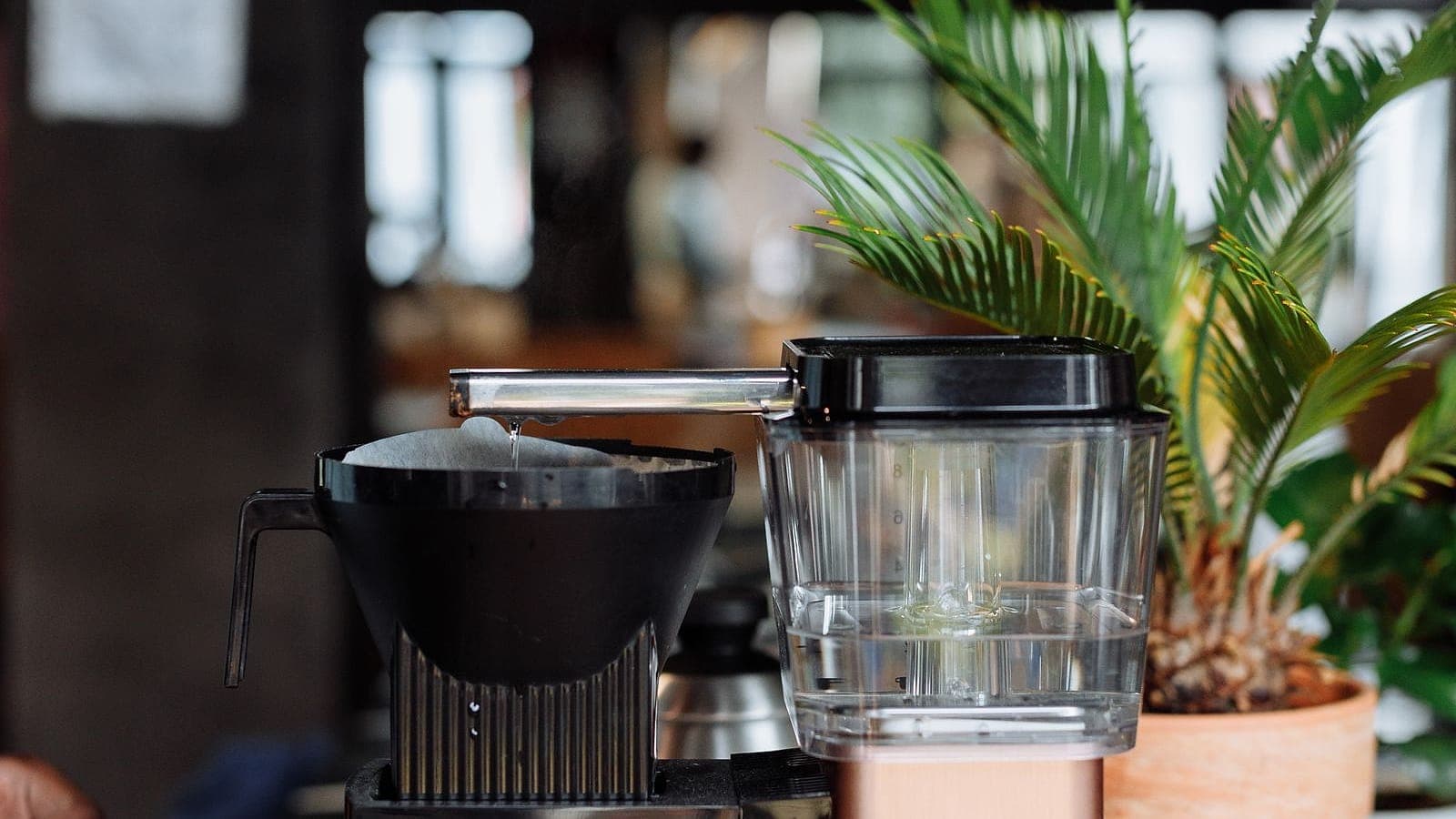
The Specialty Coffee Association runs a certification program for home brewers, and it’s the most useful shortcut on the whole spec sheet. To earn it, a machine has to hold the brew water in the roughly 195–205°F window, keep the coffee bed in contact with that water for the right amount of time, and saturate the grounds evenly rather than drilling a hole through the middle. Those three things — temperature, contact time, and even saturation — are the conditions for good extraction. Get them right and you taste sweetness and clarity; get them wrong and you get sour, thin, or bitter coffee no matter how good the beans are.
Among these picks, the SCA lists the OXO Brew 9-Cup as certified and the Technivorm Moccamaster as Golden Cup certified. The Breville Precision Brewer’s Gold Cup preset is built to hit the same standard. The Cuisinart PerfecTemp is not certified — it makes perfectly drinkable coffee, but its temperature and water distribution are less precise, and it’s fair to say so. Certification isn’t the only thing that matters, but it’s an independent quality bar, and cheap machines routinely fail to clear it.
Best value: OXO Brew 9-Cup
This is the one to buy if you don’t want to think about it. Wirecutter names the OXO Brew 9-Cup its top drip pick, it carries SCA certification, and it lands around $200 — the sweet spot where you’re paying for brew quality without a premium badge. A “rainmaker” showerhead spreads water across the whole coffee bed for even saturation, and a single dial keeps the interface simple: dial in a single mug or a full carafe and walk away. It brews into a glass carafe, so it’s easy to clean, with the usual glass trade-off that coffee left sitting on a warming plate will eventually turn bitter — pour it into a thermal server or a travel mug if you’re a slow drinker.
For the vast majority of households that want great everyday coffee with no fuss, the OXO Brew 9-Cup captures most of what the pricier machines do for meaningfully less money.
Best premium: Technivorm Moccamaster
The Technivorm Moccamaster is the machine you buy once. It’s hand-built in the Netherlands, SCA Golden Cup certified, and driven by a copper heating element that pulls the water into the correct brew-temperature window and brews a full carafe in about four to six minutes. Just as important for the price: it’s designed to be opened up and repaired, with parts you can replace instead of a sealed unit you throw away — which is the real argument for spending $$$$ on a coffee maker.
The catch is deliberate simplicity. The Moccamaster is manual: there’s no timer and no programming, so you flip it on yourself each morning. It brews into a thermal carafe, which keeps coffee hot for hours with no hot plate to scorch it (the trade-off is that a thermal carafe is a little harder to clean than glass). This is a machine for people who value build and brew quality over convenience features — and who like the idea of keeping the same brewer for a decade.
Best do-everything: Breville Precision Brewer
If you’re the type who wants to tinker, the Breville Precision Brewer is the most flexible machine here. Its Gold Cup preset is built to meet the SCA standard for temperature and extraction, so you can get a certified-quality cup with one button. But the reason to buy it is My Brew mode, which exposes the variables enthusiasts usually can’t touch on a drip machine: bloom time, water temperature, and flow rate. On top of that you get six modes in total — Gold, Fast, Strong, Iced, Cold Brew, and My Brew — and a thermal carafe to hold the results.
In practice that means one appliance covers a fast weekday pot, a stronger brew for a crowd, iced coffee in summer, and an overnight cold brew, all without buying separate gear. It sits in the $$$ range, above the OXO and below the Moccamaster, and it’s the clear pick for anyone who wants one machine to do everything rather than the best single-purpose brewer.
Best budget: Cuisinart PerfecTemp
Let’s be honest about what this is: the Cuisinart PerfecTemp is the cheap default that millions of people actually use, and it earns the spot. It’s a 14-cup programmable machine with brew-strength control, a 1–4 cup setting for small batches, a 24-hour programmable timer, and an adjustable warming plate under its glass carafe. For a household that wants coffee ready before anyone’s awake, at a price in the $ range, it does the job.
What it doesn’t have is SCA certification, and that’s the trade-off to go in with eyes open. Its temperature and saturation are less precise than the certified machines above, so the cup won’t be as clean or consistent — but it’s still real, drinkable coffee, and it’s a fraction of the cost. If your budget is the deciding factor, buy it without guilt and spend the savings on better beans and a grinder.
What to look for
Whichever brewer you choose, the same handful of things decide the cup:
- Brew temperature and SCA certification. The single biggest quality lever. Look for that roughly 195–205°F window, and use SCA certification as your shortcut — it verifies the machine hits it.
- Even saturation. A good showerhead wets the entire coffee bed instead of a single channel. Uneven water means uneven extraction and a muddled cup.
- Carafe type. Thermal holds heat for hours with no scorching but is fiddlier to clean; glass is easy to clean but punishes coffee left on the hot plate. Pick for how long your pot sits.
- Programmability. A timer that has coffee waiting when you wake is a genuine convenience — just know that the most brew-focused machines (like the Moccamaster) skip it on purpose.
If you find yourself drawn to controlling the bloom and the pour, that instinct points toward manual brewing — our pour-over guide covers the cones and carafes built for exactly that kind of control.
Don’t forget the grinder
A hard truth about drip machines: a good burr grinder matters more than the last $100 you spend on the brewer. Even grind size is what makes extraction even, so a consistent grinder improves every method — drip included. Drip coffee wants a medium grind, coarser than espresso and finer than French press. Our grinder recommendations live in the best coffee grinders for espresso guide; the machines there are excellent, just dial them to a coarser, medium setting for drip rather than the fine espresso range. A burr grinder beats a blade grinder every time, because blades chop unevenly and sabotage the very consistency your certified brewer is trying to deliver.
How we chose these
This is a research-led buying guide, not a lab report: the picks lean on independent sources rather than our own bench testing. We used Wirecutter’s drip-coffee-maker reviews for real-world performance and long-term reliability, and the Specialty Coffee Association’s Certified Home Brewer program for the objective brew-quality bar. The brewing numbers cited here — the 195–205°F window and the roughly 1:16–1:17 coffee-to-water ratio for drip — are standard specialty-coffee guidance, not measurements we took. Where a machine isn’t certified, like the Cuisinart, we say so plainly.