Here’s the honest answer most buying guides won’t give you: a food processor is a genuine time-saver, but it isn’t essential, and for some cooks a good knife, a blender, or a stand mixer covers the same ground. You need a food processor if you regularly chop, slice, or shred in volume, or make things like pie dough, hummus, pesto, nut butter, or shredded cheese. If you mostly make smoothies and soups, that’s a blender’s job; if you mostly whip, cream, and bake bread, that’s a stand mixer’s. This guide is here to help you decide which tool you actually need before you spend — not to talk you into a machine you’ll use twice a year.
What a food processor is genuinely great at (the case for)
A food processor is the kitchen’s prep powerhouse. It runs an S-blade and a set of interchangeable discs against a wide feed tube, and that combination does a handful of jobs faster and better than anything else on the counter:
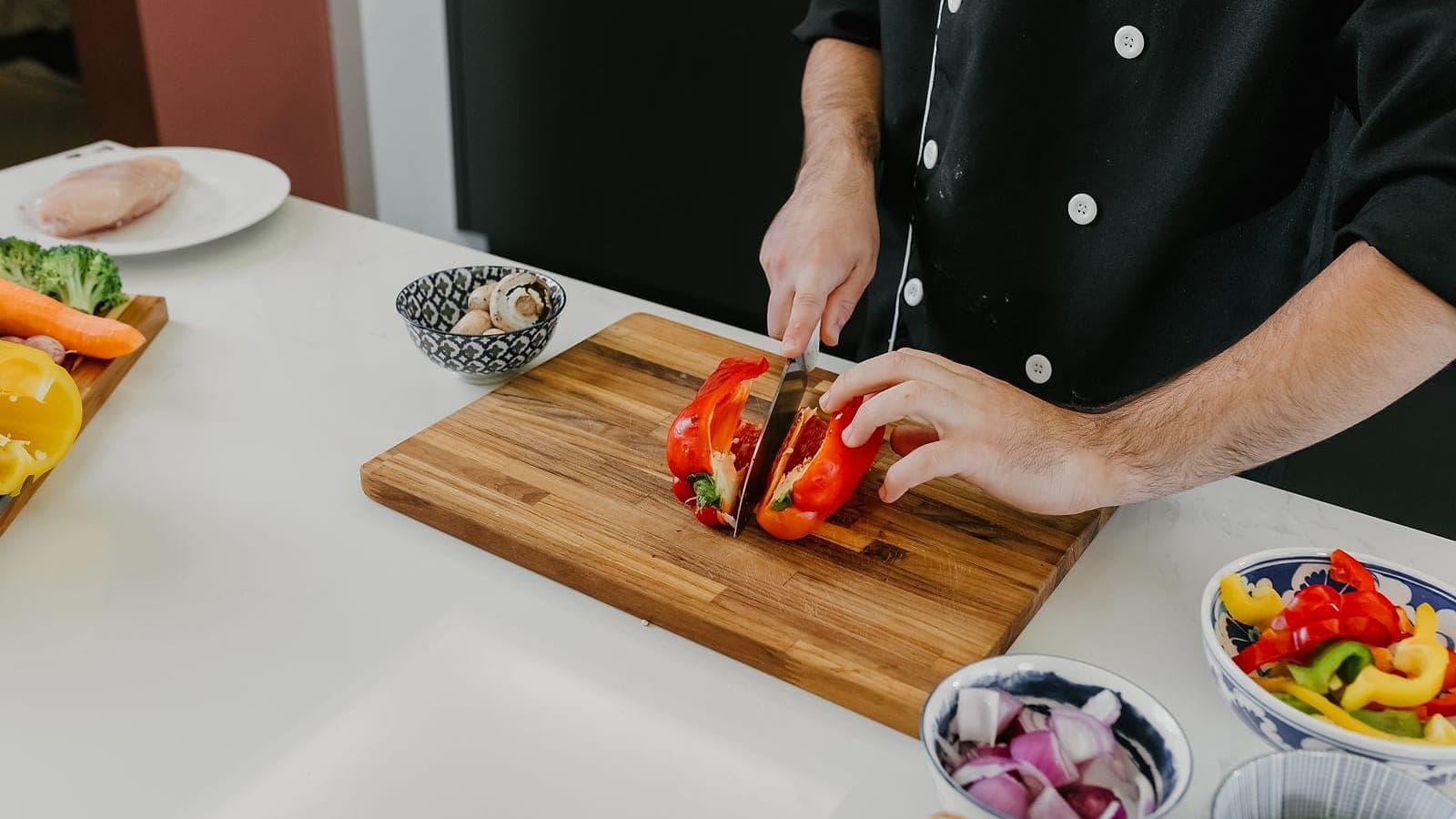
- Chopping and dicing in volume. Onions for a big batch of soffritto, mirepoix, a bowl of salsa — the processor turns ten minutes of knife work into a few pulses.
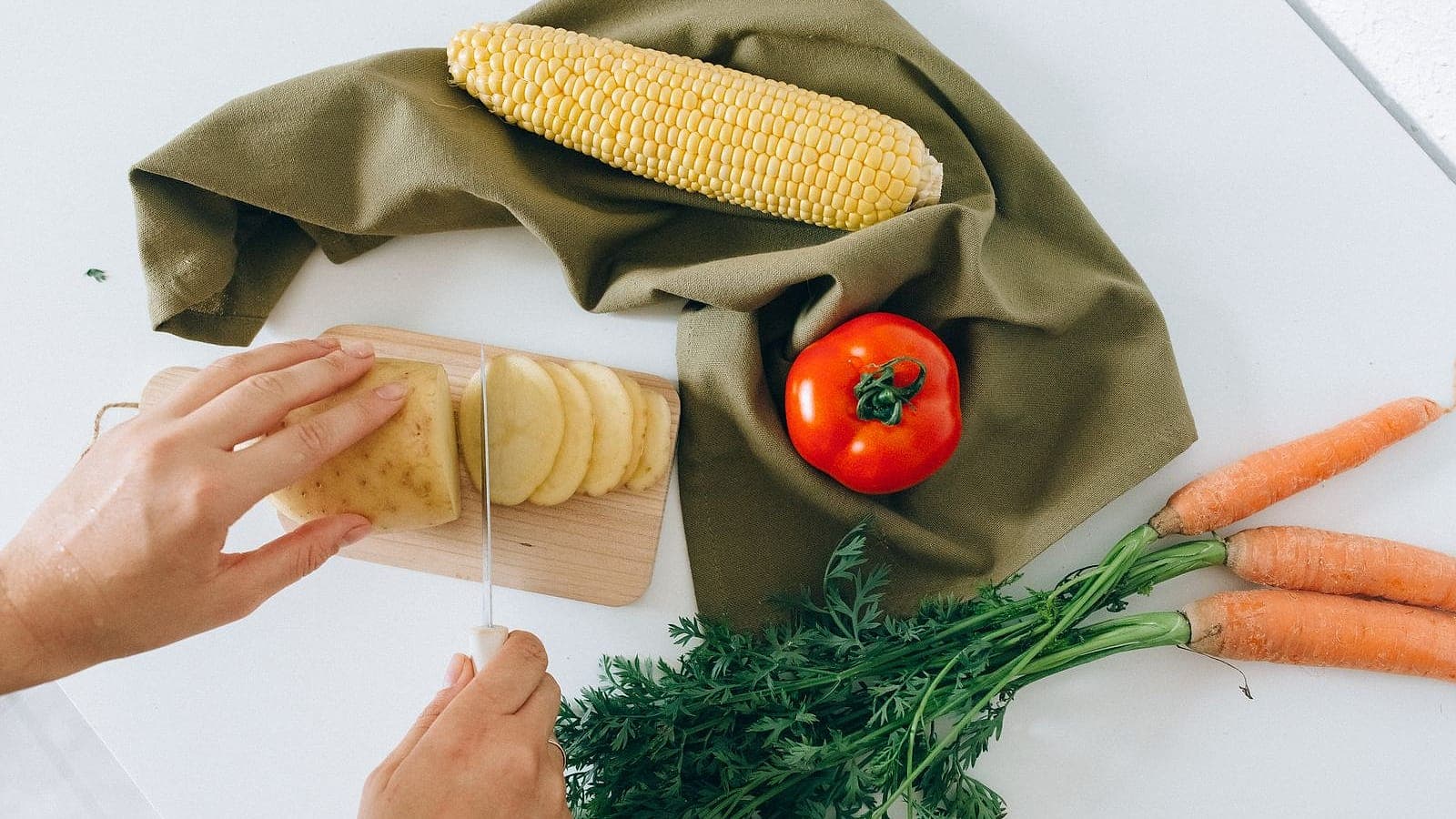
- Slicing and shredding with discs. Cabbage for slaw, potatoes for a gratin, a block of cheese into a mound of shreds. This is the thing nothing else does well: no blender or mixer slices or shreds solid food the way a disc does.
- Short doughs in seconds. Pie, tart, and pizza dough come together fast because the blade cuts cold butter into flour without warming it in your hands.
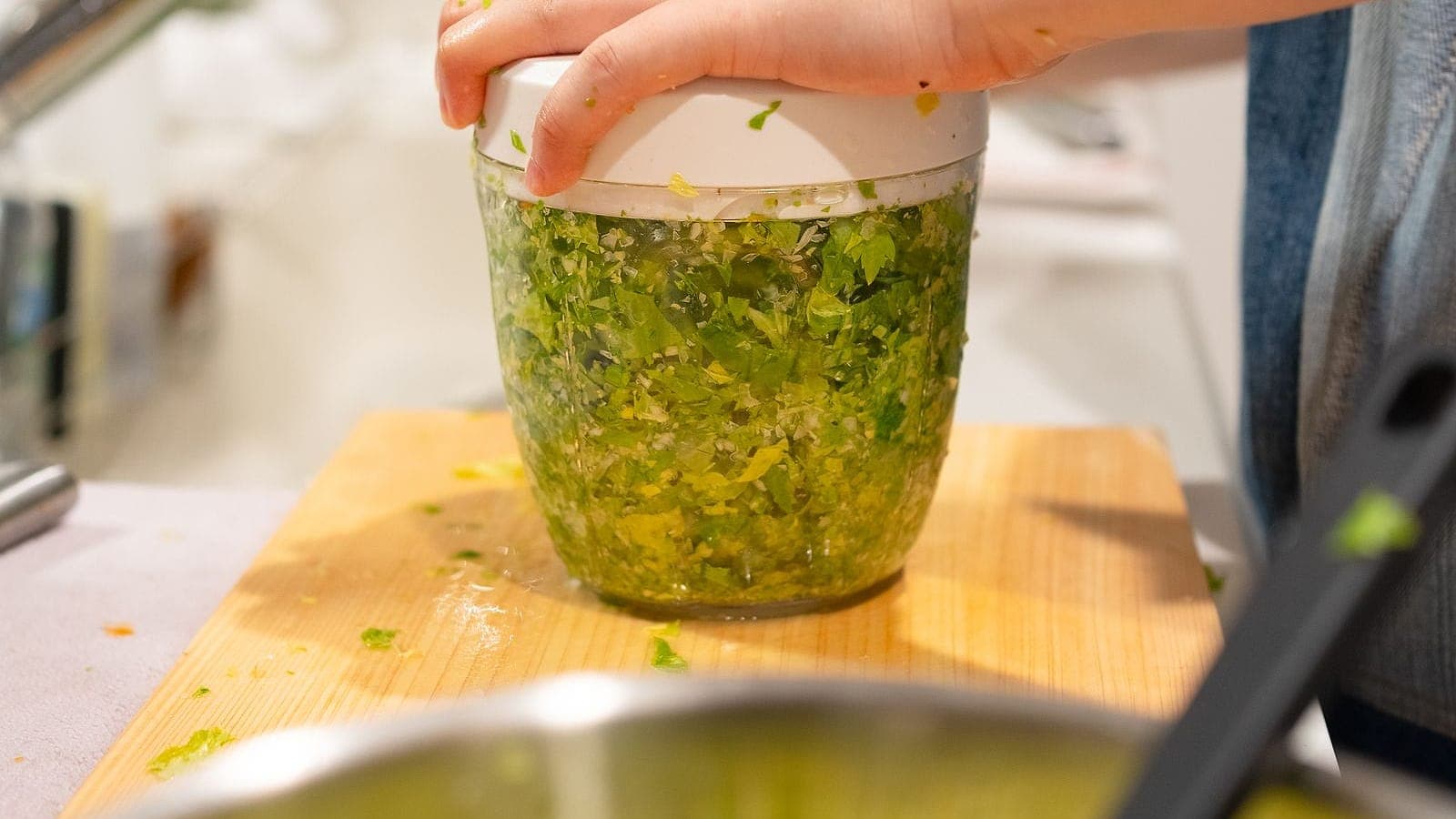
- Emulsions and pastes. Hummus, pesto, mayonnaise, nut butter, romesco, compound butter — thick, textured mixtures the processor handles with ease.
- Breadcrumbs, ground nuts, and grated hard cheese. Small, dry, repetitive jobs that are tedious by hand.
If several of those are weekly tasks in your kitchen, a food processor earns its counter space. If you want the full picture of which machines do this best, our roundup of the best food processors breaks down the field, and how to use a food processor covers the technique that makes it worth owning.
When you don’t need one (the honest case against)
This is the part most product pages skip. A food processor is a big, sometimes noisy appliance with several parts to wash, and plenty of good cooks get along fine without one. You probably don’t need one if:
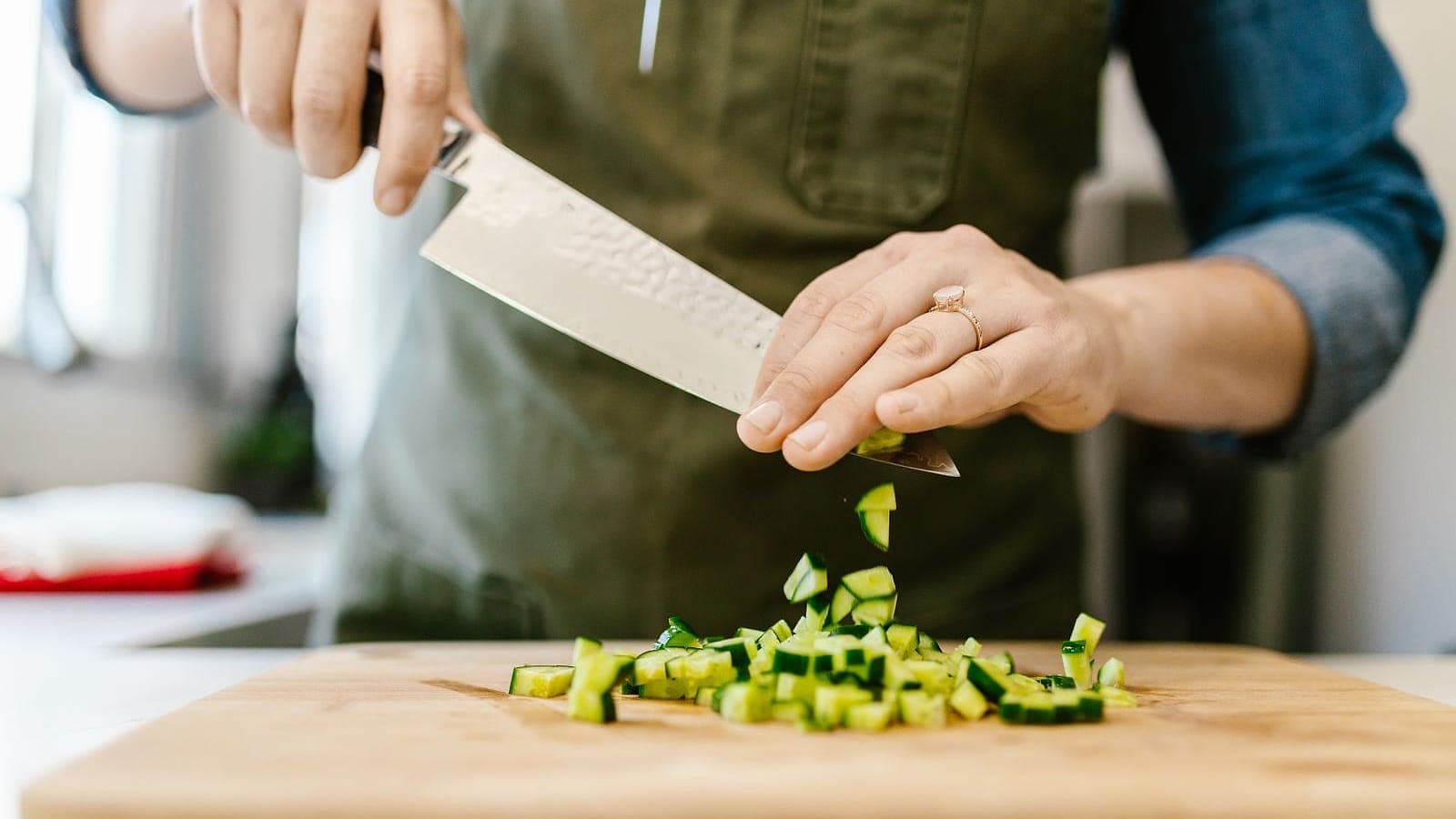
- You cook mostly for one or two and don’t mind knife work. A sharp chef’s knife handles everyday chopping for small households, and it never needs assembling, unlocking, or hand-washing a bowl and lid. If your prep is modest, the knife may genuinely be enough.
- You mostly want smooth drinks and soups. That’s a blender’s job, not a processor’s. A processor can’t make a silky smoothie, and it can leak with thin liquids. See our best blenders guide, and for the head-to-head, blender vs food processor lays out exactly where each one wins.
- You mainly bake cakes, whip cream, and knead large or enriched bread doughs. A stand mixer is the better tool for creaming, whipping, and long kneads. Our best stand mixers roundup and the companion guide, do you need a stand mixer, will tell you whether that’s your machine instead.
- Counter and storage space is tight and you’d use it rarely. A full-size processor takes up real estate. If your needs are occasional — herbs, garlic, a small batch of dressing — a mini food processor may be all you need, at a fraction of the size and cost.
None of that is a knock on the tool. It’s a reminder that the right answer depends on what you cook, not on what a marketing page wants you to buy.
Food processor vs blender vs stand mixer
Most of the “do I need one?” confusion comes from three appliances that look like they overlap but mostly don’t. Here’s the quick map of who does what:
| Task | Best tool |
|---|---|
| Chopping, dicing, slicing, shredding | Food processor |
| Pie/pizza dough (short doughs) | Food processor (fast) |
| Smoothies, pureed soups, sauces, drinks | Blender |
| Whipping cream, creaming butter and sugar | Stand mixer |
| Large or enriched bread dough | Stand mixer |
| Hummus, pesto, nut butter, mayo | Food processor |
Where they genuinely overlap, it’s worth being clear-eyed rather than tribal:
- Processor and stand mixer both knead dough. A processor is faster for short doughs like pie and pizza and keeps the butter cold; a stand mixer is better for large, enriched, or long-knead bread doughs. If most of your baking is pastry, lean processor; if it’s loaves, lean mixer.
- Processor and blender both puree. A processor is your tool for thick, chunky purees like hummus and pesto; a blender is your tool for smooth ones like soup and smoothies. Thin liquids belong in the blender.
Neither overlap makes one machine a replacement for the other. They’re complementary, and which one you buy first should follow your actual cooking, not a spec sheet.
Full-size or mini? (once you’ve decided you want one)
If you’ve worked through the above and a food processor is clearly your tool, the next question is size. A full-size (11–16 cup) machine is the one to get if you slice, shred, prep in batches, or make dough — the wide feed tube and full disc set are the whole point. A mini (3–5 cup) is enough if your jobs are small: herbs, garlic, nuts, and salad dressings. Matching the size to what you actually cook matters more than chasing the highest wattage. The details live in our best food processors and best mini food processors guides, and if budget is the deciding factor, the best budget food processors roundup is where to start.
How we researched this
Cookloom is a brand-new site, so to be transparent: we have not run our own lab tests on these machines, and nothing here is dressed up as first-hand measurement. This guide synthesizes the broad testing consensus from established kitchen-gear reviewers alongside published manufacturer specifications, then frames the decision the way we’d talk a friend through it. Full-size, straightforward machines like the Cuisinart 14-cup have topped independent testing roundups for well over a decade, which is why they anchor the “case for” — but the honest takeaway is that the best appliance is the one that matches your cooking. If you’ve settled on a full-size machine and are weighing the two most common contenders, our Cuisinart vs KitchenAid food processor comparison goes deeper. Sources we drew on are listed at the end.