A mini food processor is the small-job workhorse most kitchens actually reach for on a weeknight — mincing a clove of garlic, chopping a handful of herbs or nuts, grinding hard cheese, or whizzing a quick dressing without hauling out a big machine to wash afterward. For most people the best one is the Cuisinart Mini-Prep Plus (DLC-2A): a cheap, genuinely tiny 3-cup classic whose auto-reversing blade both chops and grinds, and which testers have recommended for years. Want to skip the cord entirely? The KitchenAid Cordless 5-Cup Food Chopper (KFCB519). Want the least-expensive thing that still saves you knife work? The Ninja Express Chop (NJ110GR). The one honest limit to know up front: a mini won’t slice, shred, or handle a big batch. For that you need a full-size machine.
At a glance
| Pick | Best for | Bowl | Power | Price band |
|---|---|---|---|---|
| Cuisinart Mini-Prep Plus (DLC-2A) | Most people | 3-cup | Corded | $ |
| KitchenAid Cordless 5-Cup Food Chopper (KFCB519) | Cord-free flexibility | 5-cup | Rechargeable | $$ |
| Ninja Express Chop (NJ110GR) | Cheapest knife-saver | 16 oz (~2 cups) | 200W | $ |
What a mini is for (and what it isn’t)
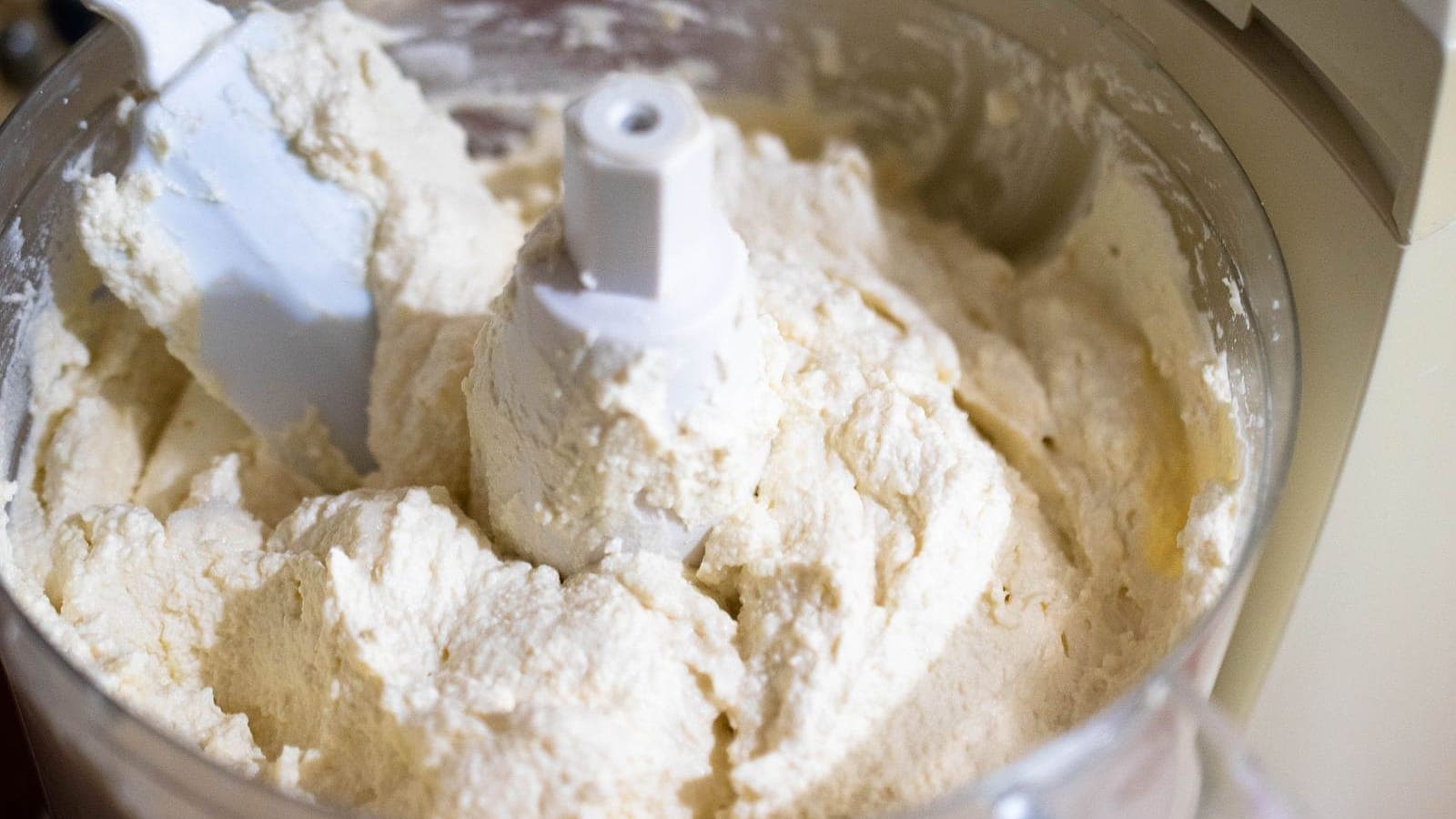
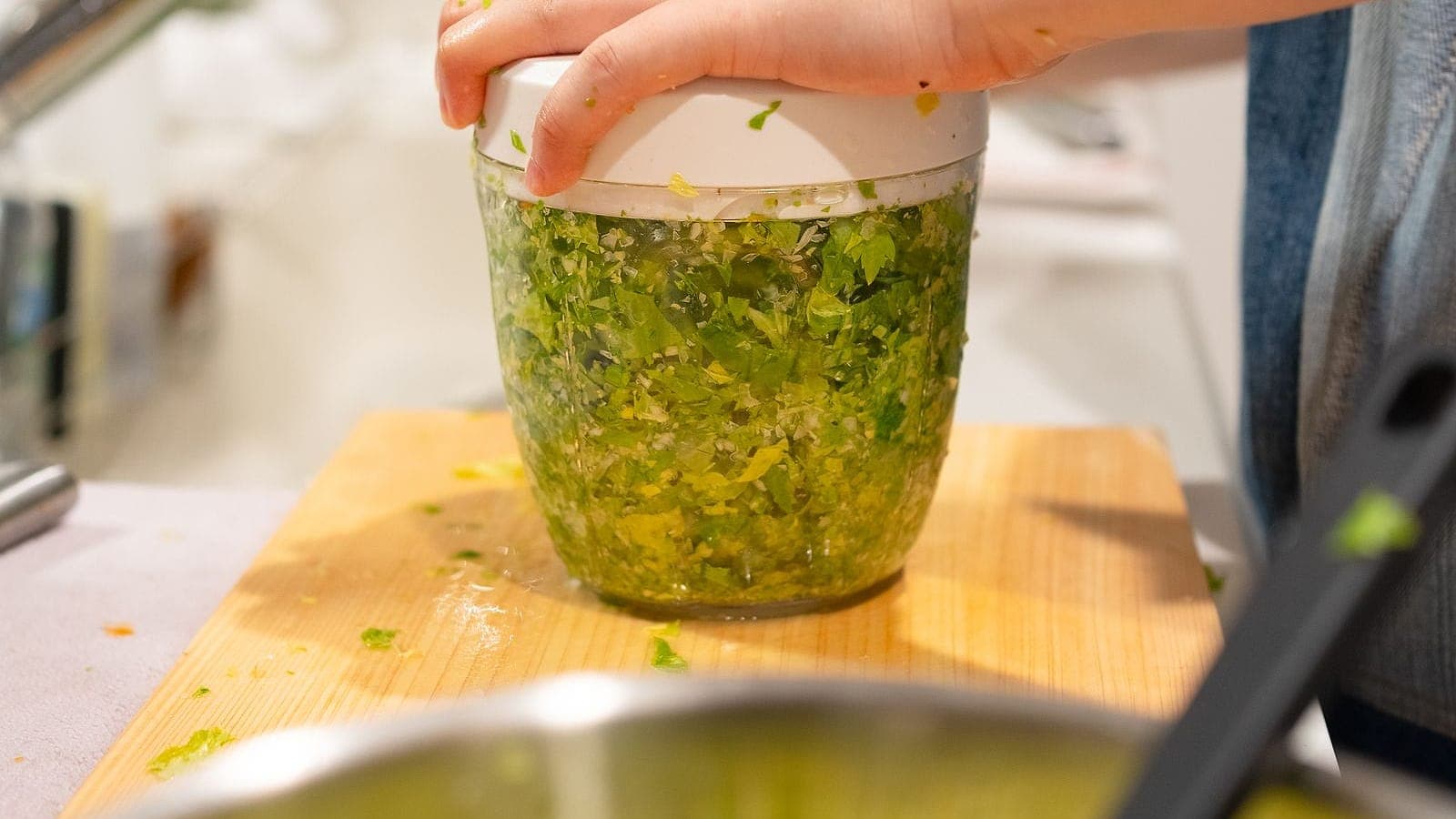
A mini is great at the small, repetitive prep that makes a knife feel slow: herbs, garlic, ginger, nuts, hard cheese, breadcrumbs, and small batches of dressing, pesto, mayo, or baby food. It lives on the counter or in a nearby cupboard, comes apart in seconds, and rinses clean before you’ve even finished cooking. That convenience is the whole point — the machine you’ll actually use beats the powerful one you leave in a bottom cabinet.
What a mini is not for: slicing, shredding, or grating. Those jobs need feed-tube discs, and minis don’t have them. It also can’t handle big batches — most top out at a few cups, so a double recipe means working in rounds. If you find yourself wishing your mini were bigger, that’s the signal to size up to a full-size processor rather than buying a second mini. A full-size machine does everything a mini does and adds discs, capacity, and dough.
Best for most: Cuisinart Mini-Prep Plus
The Cuisinart Mini-Prep Plus (DLC-2A) is the default for a reason. It’s a 3-cup chopper with a clever trick: its SmartPower blade auto-reverses, spinning one way with a sharp edge for chopping wetter foods and the other with a blunt edge for grinding harder ones like Parmesan, spices, or nuts. That single feature covers most of the little jobs a home cook throws at a mini, and it’s why the Mini-Prep has been a longtime recommendation in Wirecutter’s food-processor testing — a broad consensus pick, not something we’ve measured ourselves.
It’s small, light, and cheap, with just two buttons (chop and grind), so there’s nothing to learn. The trade-offs are the ones you’d expect at this size and price: the 3-cup bowl is genuinely little, so it’s built for a clove or a handful, not a pile; there are no slicing or shredding discs; and the plastic-and-blade build is basic rather than premium. For everyday mincing, grinding, and quick emulsions, none of that matters. This is the mini most kitchens should buy first.
Best cordless: KitchenAid Cordless 5-Cup Food Chopper
If a trailing cord and a hunt for an outlet are what keep your chopper in the cupboard, the KitchenAid Cordless 5-Cup Food Chopper (KFCB519) solves it. It’s rechargeable, so you can use it anywhere on the counter — or off it — and it holds a roomier 5 cups, the largest bowl in this roundup. Two speeds give you more control than a single-button chopper, and it includes a whisk accessory for small whipping and emulsifying tasks, which nudges it a little past pure chopping duty.
The upsides are placement freedom and a clutter-free counter; KitchenAid rates it to chop dozens of onions on a single charge, so battery anxiety is minimal for normal home use. The trade-offs are a higher price than a corded mini and a battery you have to keep topped up — if it sits dead in a drawer, it’s no faster than a knife. But if flexibility and a slightly bigger bowl matter to you, this is the mini to get.
Best budget: Ninja Express Chop
The Ninja Express Chop (NJ110GR) is about as simple and cheap as a powered chopper gets. It’s a 200-watt press-pod design with a 16-ounce bowl: you add food, press the lid down with your palm, and it pulses; let go and it stops. That one-hand action is fast and intuitive for garlic, onions, herbs, and nuts, and there’s almost nothing to it — barely a gadget.
That simplicity is also its ceiling. The bowl is the smallest here, there are no speeds or modes beyond press-and-pulse, and it’s chop-only — no grinding trick, no whisk, no discs. But if you mainly want to skip tedious knife work on small amounts and spend as little as possible, the Express Chop delivers exactly that. It’s the pick for a first apartment, a dorm, or a second chopper to keep near the stove.
Mini vs full-size — how to choose
The decision comes down to one question: what do you actually make? If your prep is small and frequent — mincing, grinding, quick dressings — a mini is the right tool and the easier one to store and clean. If you regularly slice vegetables, shred cheese or cabbage, prep for a crowd, or make pie or pizza dough, you’ve outgrown a mini before you’ve bought it. Those jobs are the whole reason full-size food processors exist, with their discs, wide feed tubes, and 11-to-16-cup bowls.
You don’t have to choose the expensive route to go bigger, either. A capable budget full-size processor still slices, shreds, and batches for not much more than a premium mini. And if you’re not sure a processor of any size earns its counter space, our guide to whether you need a food processor walks through where it overlaps with a blender and a stand mixer. The short version: buy a mini for small daily prep, a full-size for range, and don’t try to make one machine be both.
Using it well
A mini rewards the same technique as its big siblings. Pulse in short one-second bursts rather than holding it on — that gives you an even chop and keeps garlic or onion from turning to puree. Don’t overfill it; a mini’s small bowl chops best when it’s no more than half to two-thirds full, so work in rounds for anything larger. Add oil in a slow drizzle when you’re emulsifying a dressing or mayo so it comes together properly.
And respect the blade — it’s very sharp. Handle it by the plastic hub, never the edge, and unplug a corded model (or wait for a cordless one to stop completely) before you reach in to scrape the bowl. When something jams or won’t feed, use the pusher or a spatula with the machine off, never your fingers. Most parts are top-rack dishwasher-safe; a quick rinse right after use keeps garlic and herbs from staining and drying on. Our guide to using a food processor covers the full technique in more detail.