Most people don’t need a stand mixer. If you bake a cake or a batch of cookies a few times a month, whip cream, and mix the occasional batter, a good hand mixer does the same work for a fraction of the money and none of the permanent counter space. The people who genuinely need a stand mixer are a narrower group than the marketing suggests: regular bread bakers, big-batch bakers, anyone doing long meringue or buttercream sessions, and cooks who want — or need — a hands-free machine. This guide gives you a decision tree, corrects the wattage myth almost every spec sheet leans on, and tells you honestly when the answer is “no mixer at all.”
The verdict: Buy a stand mixer if you bake bread or large batches regularly, work with stiff doughs, need long hands-free whipping, or find hand and arm strain a real factor. If you mostly whip cream, mix cake batter, and bake a few times a month, a good hand mixer — or, for bread, no mixer at all — does the job. When you decide it is a yes, our best stand mixers guide walks through the picks.
The 30-second answer: a decision tree
You don’t need a survey of the whole market to make this call. You need to know three things about yourself: how stiff your doughs get, how often you bake, and whether standing over a bowl for five minutes is a problem. Here’s where each answer lands.
Buy a stand mixer if…
- You bake yeasted bread or pizza dough regularly — the stiffer and wetter the dough, the more a hand mixer struggles.
- You often make double batches of cookie dough or cake batter, where a hand mixer’s small bowl and motor run out of room and steam.
- You make long, hot whips — Italian or Swiss meringue, seven-minute frosting, meringue buttercream — where minutes of continuous beating are the whole technique.
- You want hands-free, consistent results while you measure the next ingredient, grease pans, or walk away.
- Hand, wrist, or arm strain is a factor. Bon Appétit and Allrecipes both flag the stand mixer as genuinely important for bakers with limited hand strength or mobility — a machine that, as one pastry chef told Allrecipes, is “a workhorse so you don’t have to be.”
A hand mixer is plenty if…
Consumer Reports lays out three clean reasons to pick a hand mixer over a stand mixer, and they hold up: you mostly make light mixtures (whipped cream, egg whites, cake batter, sauces); you have limited space and want something that stores in a drawer; or budget is the deciding factor. Add the frequency test — a few bakes a month — and most home kitchens sit squarely here. A hand mixer creams butter and sugar, whips cream to stiff peaks, beats batters, and mixes cookie dough without complaint. It just won’t knead a serious loaf.
You might need no mixer at all
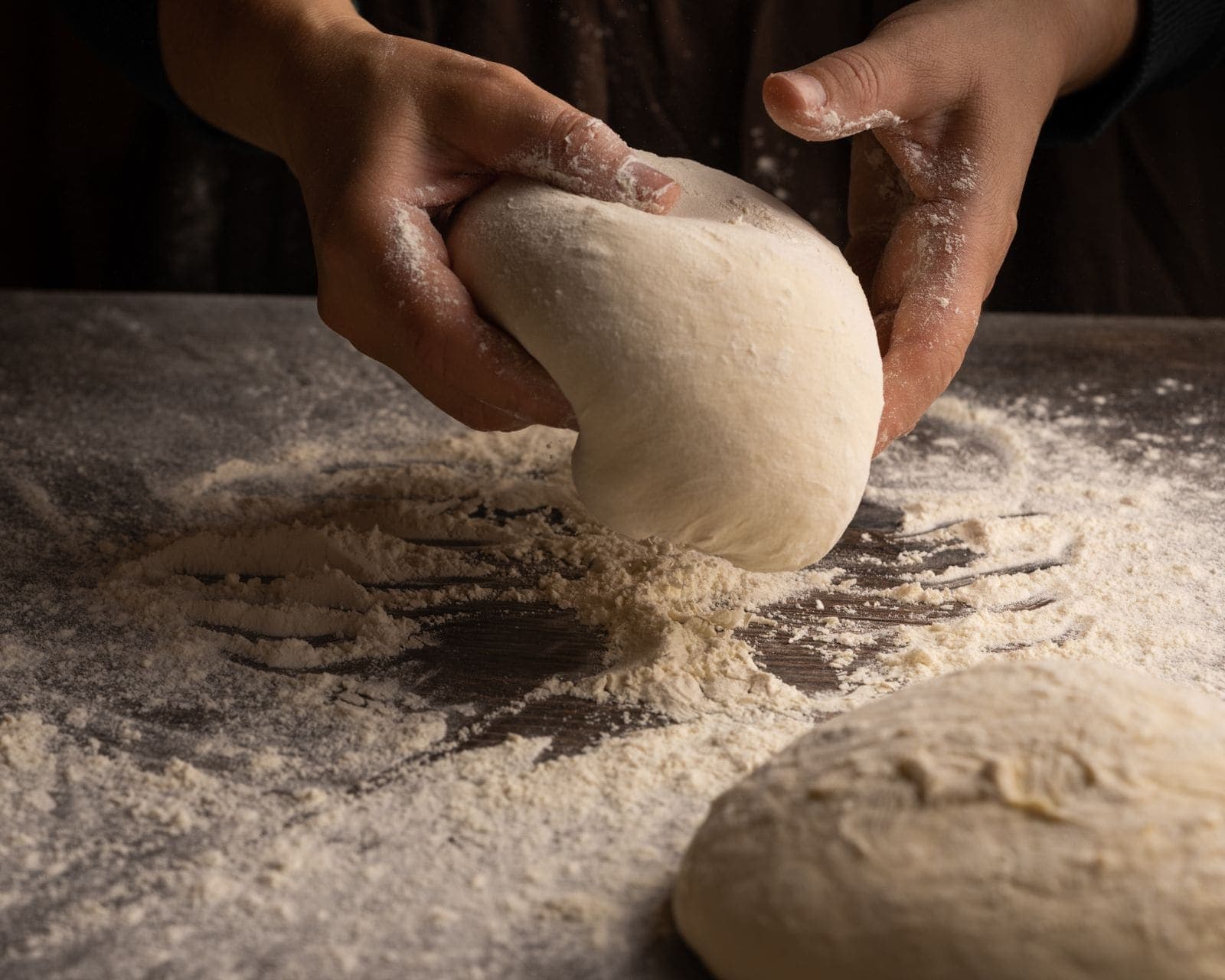
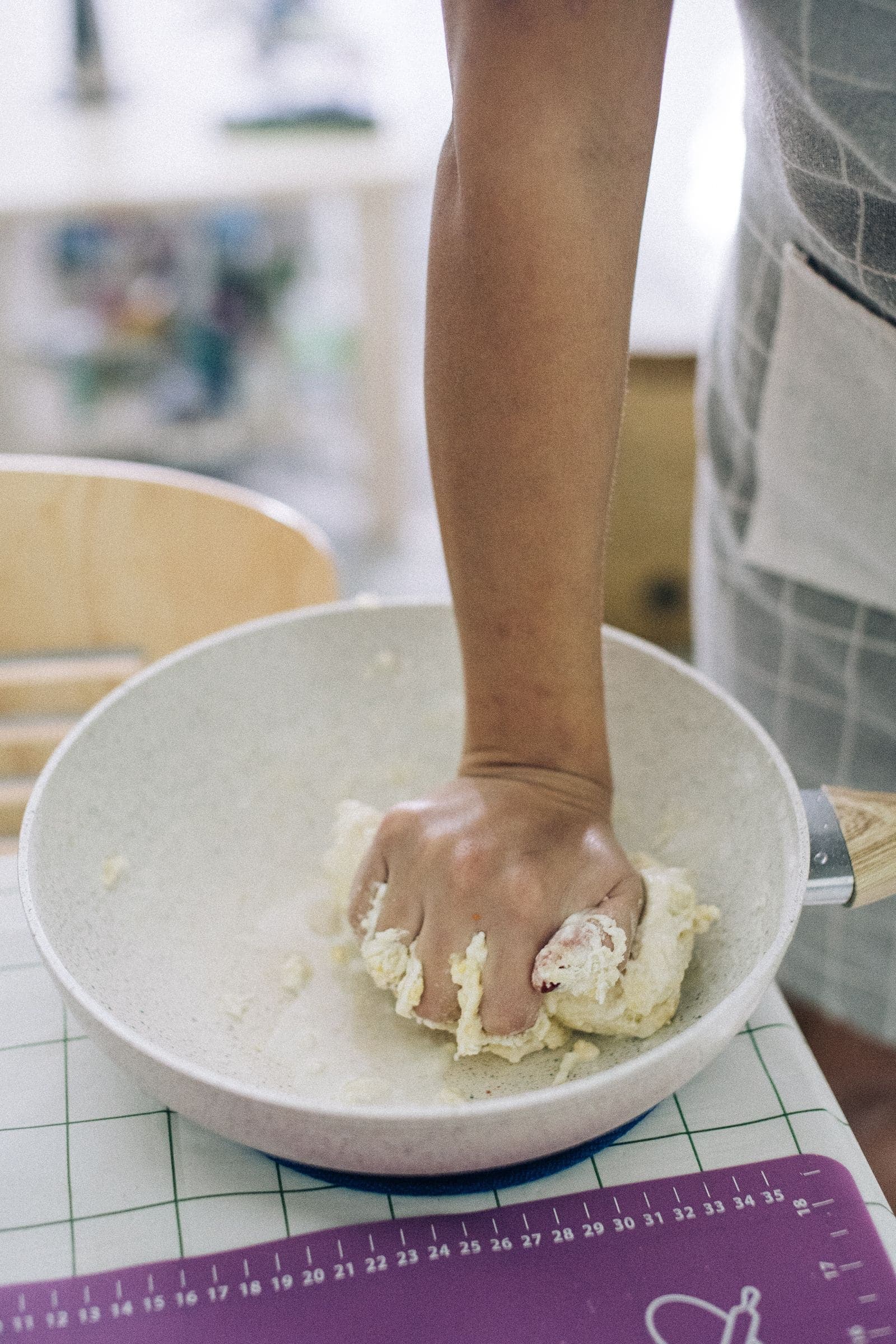
This is the option most buying guides quietly skip, because no one sells it. King Arthur Baking is blunt that you don’t need a mixer for bread. Dough in the roughly 67% to 80% hydration range kneads well by hand, and a series of stretch-and-folds can, in their words, “transform extremely wet dough into something wonderfully airy and strong.” No-knead bread asks for even less: mix, wait, and bake in a covered pot. If that’s your lane, the tool you actually want is a good heavy pot — see our best Dutch ovens guide — not a mixer at all. Machine kneading’s advantage here is convenience and being easier on the wrists, not a better loaf.
What a stand mixer does that a hand mixer can’t
There are exactly three jobs where the gap is real and worth paying for. Everything else is convenience.
Stiff and high-hydration dough
This is the clearest line. In Serious Eats’ 2026 testing of 17 machines, tilt-head stand mixers “tend to walk or move more with tougher, stickier tasks (like a high-hydration dough),” while bowl-lift models “tend to be more powerful and stable.” Even KitchenAid’s own Artisan Mini, which America’s Test Kitchen said aced nearly every test, stumbled on “sticky, heavy, high-hydration pizza dough,” which ATK read as a sign it “lacks sufficient torque.” A hand mixer is further down that same ladder. Consumer Reports’ verdict is worth memorizing: “Even if your hand mixer comes with dough hooks, don’t expect it to churn out a stellar loaf of dough.”
Long, hot whips
Italian and Swiss meringue, meringue buttercream, and seven-minute frosting all require minutes of uninterrupted high-speed beating — sometimes while streaming in hot sugar syrup. Allrecipes’ chefs said hand mixers specifically fall short “when trying to achieve particular desserts like mousses or meringues.” The physical reality backs it up: even strong hand mixers took anywhere from about 2.5 to over 5 minutes to bring cream to stiff peaks in Serious Eats’ timed testing, and that’s the easy version. Holding a hand mixer through a full buttercream is possible; doing it consistently, batch after batch, is what a stand mixer is for. (If you go down the cooked-sugar-syrup route, a reliable thermometer matters more than the mixer — our kitchen thermometer guide covers those.)
Hands-free consistency and the accessibility case
A stand mixer’s real superpower is that it works without you. Bon Appétit describes their “set-it-and-mostly-forget-it potential… without the babysitting or upper body strength of other methods.” That frees you to measure, prep, and clean while the machine runs, and it removes fatigue as a variable — the tenth batch mixes exactly like the first. It’s also a genuine accessibility win, not a luxury: for bakers with limited hand strength, arthritis, or mobility constraints, a machine that holds the bowl and does the work can be the difference between baking and not. That’s an ergonomic point, cited to Bon Appétit and Allrecipes — not a health claim.
What a good hand mixer handles just as well
It’s easy to over-index on the gaps and forget how much a hand mixer does competently. Whipped cream, egg whites to stiff peaks, cake and pancake batter, cookie dough, and frostings are all well within range — Serious Eats’ fastest hand mixer brought cream to stiff peaks in about 2 minutes 37 seconds. For the vast majority of home baking, that’s the entire job. The honest caveat is dough: even hand mixers that ship with dough hooks are, per Consumer Reports, not the tool for a real loaf. Know that limit and a hand mixer is one of the best-value tools in the kitchen.
Torque vs. wattage: why the number on the box lies
Here’s the myth worth killing. Wattage measures electrical power drawn, not the twisting force — torque — that actually moves stiff dough. And it is not comparable across different motor and drive designs, so a bigger number on one machine tells you nothing about another built differently.
America’s Test Kitchen put a hard fact on it: in their testing, “some machines with 350 watts shut down while making stiff Bagel Bread dough and others with just 250 watts kneaded the same dough perfectly.” Read that twice. The lower-wattage machine won. If you shop by the wattage figure on the front of the box, you are shopping by the one spec that most reliably misleads. What matters is how a specific machine handles a specific dough — which is why real-world testing beats spec sheets every time.
The real cost: money, counter space, and weight
A stand mixer isn’t just a purchase. It’s a permanent tenant.
Money. Consumer Reports puts hand mixers roughly between $16 and $170, and stand mixers between $55 and $1,000. Wirecutter frames the gap plainly: their favorite hand mixer runs around $90, their favorite stand mixer about $450. Budget stand mixers exist, but the ones most tested and recommended cluster well above hand-mixer money.
Counter space and weight. This is the cost people underestimate. A hand mixer lives in a drawer. A stand mixer claims a permanent spot, because most people won’t repeatedly lift one out of a cabinet. Here’s why, using weights from Serious Eats’ 2026 testing:
| Tool | Typical weight | Where it lives |
|---|---|---|
| Hand mixer | ~1–2 lb | A drawer |
| KitchenAid tilt-head (Artisan / Classic) | ~25–26 lb | A permanent counter spot |
| Ankarsrum Original | ~28 lb | A permanent counter spot |
| 7-quart bowl-lift | ~31 lb | A permanent counter spot |
A 30-pound machine is not something you casually stow and retrieve. The recurring regret in owner threads is exactly this: a stand mixer bought with good intentions, used twice a year, occupying prime real estate. The recurring win is the opposite — used often, it delivers hands-free consistency and, as owners like to say, “lasts forever.” Both outcomes hinge on one thing: frequency.
The baking-frequency test
So how often is often enough? There’s no official line, so here’s an honest one.
Lean stand mixer if you bake bread weekly, make large or double batches on a regular rhythm, or do frequent long-whip desserts. At that cadence the machine pays back its cost and footprint in saved effort and steadier results, and America’s Test Kitchen’s own top pick for serious use is a bowl-lift-class machine.
Lean hand mixer if your baking is a few times a month — cakes, cookies, whipped toppings, the occasional quick bread. ATK says it directly: “If you only occasionally bake a cake or a batch of cookies, consider skipping a stand mixer altogether and choose a hand mixer.”
And plenty of committed bakers keep both: a hand mixer in the drawer for quick, small jobs, and a stand mixer on the counter for bread and big batches. That’s not indecision — it’s matching the tool to the task, which several editorial testers endorse outright.
Decided it’s a yes? The short version of which to get
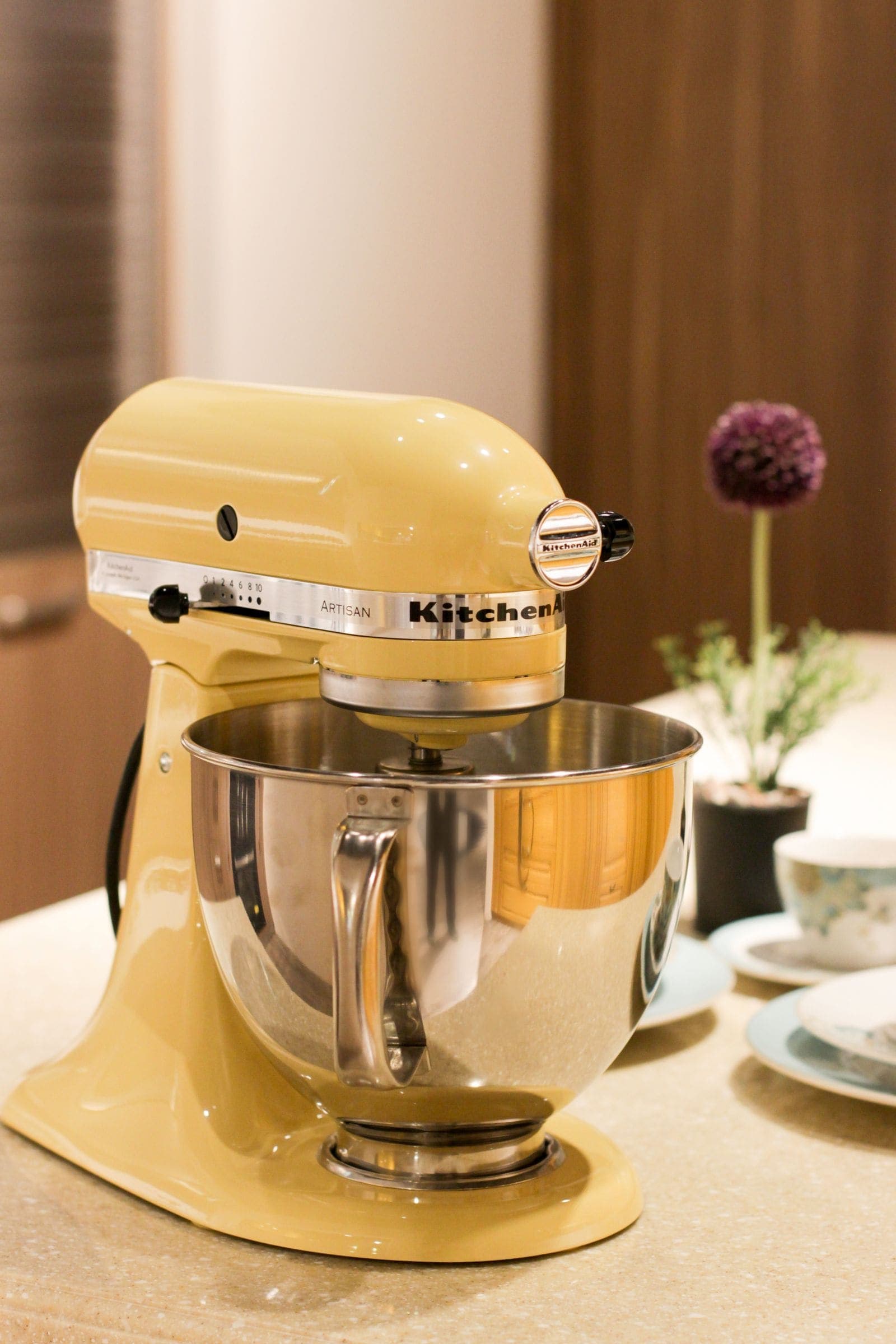
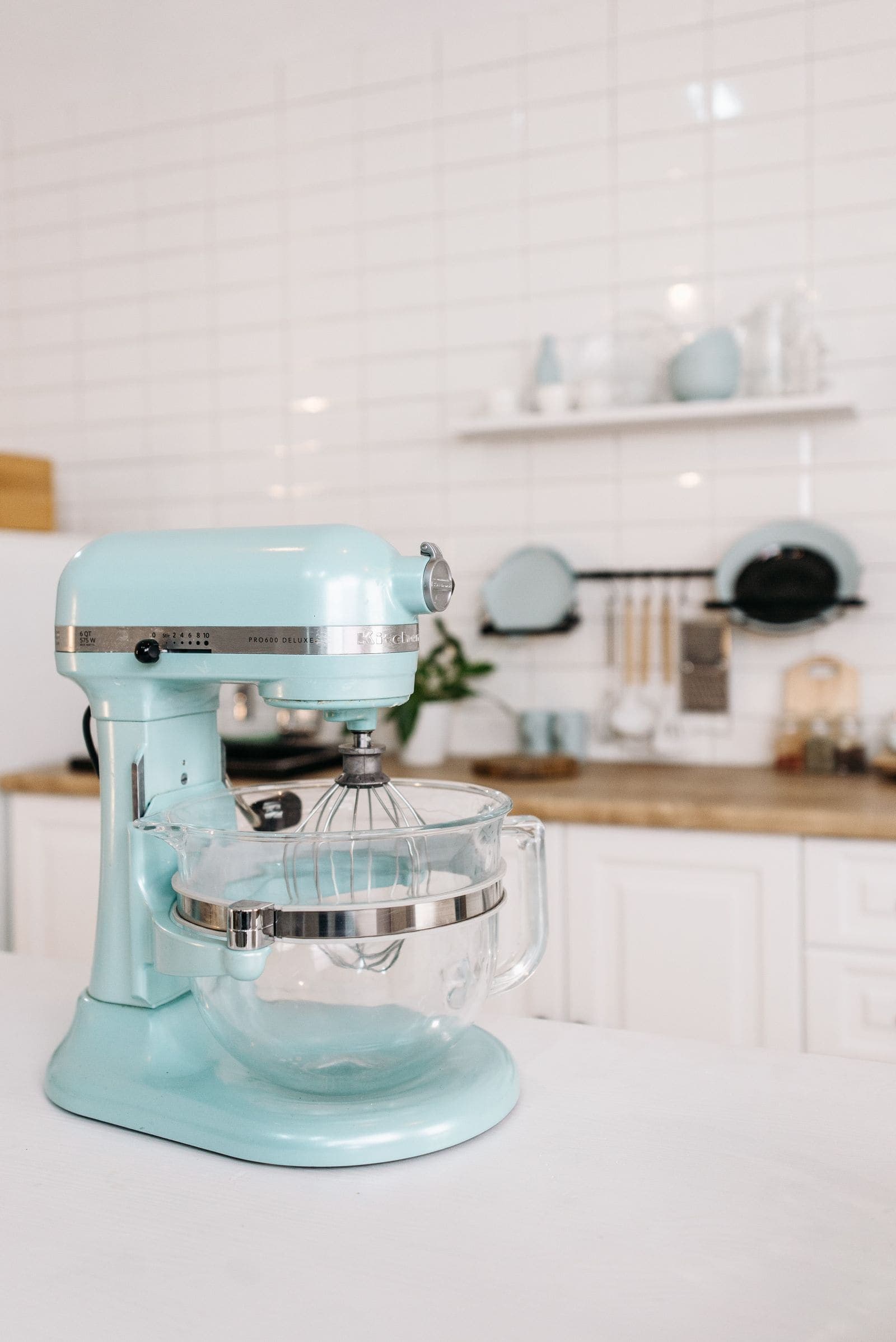
If the frequency test lands you on “buy,” the next fork is tilt-head vs. bowl-lift. Tilt-head models (KitchenAid’s Artisan and Classic) are shorter, lighter, and cheaper, and handle cakes, cookies, casual bread, and jobs like shredding chicken well — but they can “walk” on stiff dough, and heads can loosen over time. Bowl-lift machines are heavier, more stable, and more powerful, which is why Serious Eats’ current overall KitchenAid pick is a 7-quart bowl-lift and why regular bread bakers gravitate there.
One durability note to file if bread is your reason for buying: WIRED points out that “bread is the one area where mixer engines typically burn out with overuse — a longtime issue with KitchenAid tilt-head mixers,” and Prudent Reviews cites an owner who burned out a tilt-head motor in 18 months of heavy dough use. Treat that as a known risk pattern, not a guaranteed defect — and a reason regular bread bakers should look hard at bowl-lift. For the full breakdown of models, prices, and picks, our best stand mixers guide is the place to go.
The bottom line
The stand mixer is a superb machine for the people who actually use it — and dead weight on the counter for everyone who bought it because it looked like a serious kitchen should own one. If you bake bread or big batches regularly, work stiff doughs, run long whips, or need the hands-free help, buy it and enjoy it. If you bake a few times a month, a good hand mixer is the smarter money and the smarter footprint. And if bread is the whole reason you’re asking, remember there’s a third answer that costs nothing but your hands and a little time. Be honest about how you actually bake, and the decision makes itself.
How we researched this
This guide synthesizes independent testing and expert reporting rather than in-house testing, and every performance claim above is attributed to its source. Key references include America’s Test Kitchen, Consumer Reports, Serious Eats, Bon Appétit, Allrecipes, and King Arthur Baking. Prices are reported as ranges from the cited sources and shift with sales; verify current pricing before you buy.
Sources
- America’s Test Kitchen — The Best Stand Mixers
- Consumer Reports — Reasons to Choose a Hand Mixer Over a Stand Mixer
- Serious Eats — The Best Stand Mixers
- Serious Eats — The Best Hand Mixers
- Serious Eats — The Best KitchenAid Stand Mixer
- Bon Appétit — Do You Really Need a Stand Mixer?
- Allrecipes — Is a Stand Mixer Necessary?
- King Arthur Baking — The Best Stand Mixer for Bread
- King Arthur Baking — Kneading Wet Dough by Hand
- Wirecutter — The Best Hand Mixer
- WIRED — KitchenAid Artisan Plus Stand Mixer Review
- Prudent Reviews — KitchenAid Tilt-Head vs. Bowl-Lift