For most kitchens, the single best blender is the Vitamix 5200 — America’s Test Kitchen and Wirecutter both make it their top overall pick, and nothing either team tested handles nut butter and hot soup better. Here is the honest part, and it is the whole reason this guide exists: you probably do not need it. ATK’s own midpriced favorite, the Breville Fresh & Furious, blends “just slightly less finely” for about half the price — a gap most people will never notice in a smoothie — and a capable Ninja will make everyday drinks for around a third of what a Vitamix costs. So buy the Vitamix if you blend most days, want it for thick jobs, and plan to keep it for a decade. Otherwise the mid or budget pick is the more rational buy.
This guide covers full-size countertop blenders, which is where the money and the confusion both live. For the other two kinds — personal bullet blenders and immersion (hand) blenders — we point you to our dedicated guides below, because the best choice there is a different machine entirely.
At a glance
| Pick | Best for | Type | Warranty (per maker) | Price band |
|---|---|---|---|---|
| Vitamix 5200 | Best overall | Full-size | 7 years | $$$$ |
| Breville Fresh & Furious | Best mid-price | Full-size | — | $$ |
| Ninja Professional Plus | Best budget | Full-size | — | $ |
| Vitamix A2500 | Best premium with presets | Full-size | 10 years | $$$$ |
| Blendtec Classic 575 | Best for automation | Full-size | 8 years | $$$ |
| NutriBullet Pro 900 | Best for smoothies | Personal | — | $ |
| Breville Control Grip | Best immersion | Immersion | — | $$ |
Price bands: $ budget · $$ midprice · $$$–$$$$ premium. Warranties are shown only where our sourced testing specifies them.
How we chose
Cookloom is a new publication, so we are not going to pretend we have put these machines through a year of kitchen abuse. What we have done is read the people who have — closely, and against one another. This guide leans on the most rigorous independent testers in the category: America’s Test Kitchen and Wirecutter, which both run blenders through nut butter, hot soup, smoothies, and ice; Consumer Reports, whose lab scores personal blenders on durability and texture; and RTINGS, which measures Vitamix and Blendtec head to head. Where they agree, we say so plainly. Where they diverge, we tell you which machine suits which cook. Every performance claim below is attributed to the tester who made it — we have not invented a single result. For the two blender types this page only summarizes, we hand you off to our best personal blenders and best immersion blenders guides.
The three kinds of blender
Before picks, a quick orientation, because “blender” covers three tools that solve different problems.
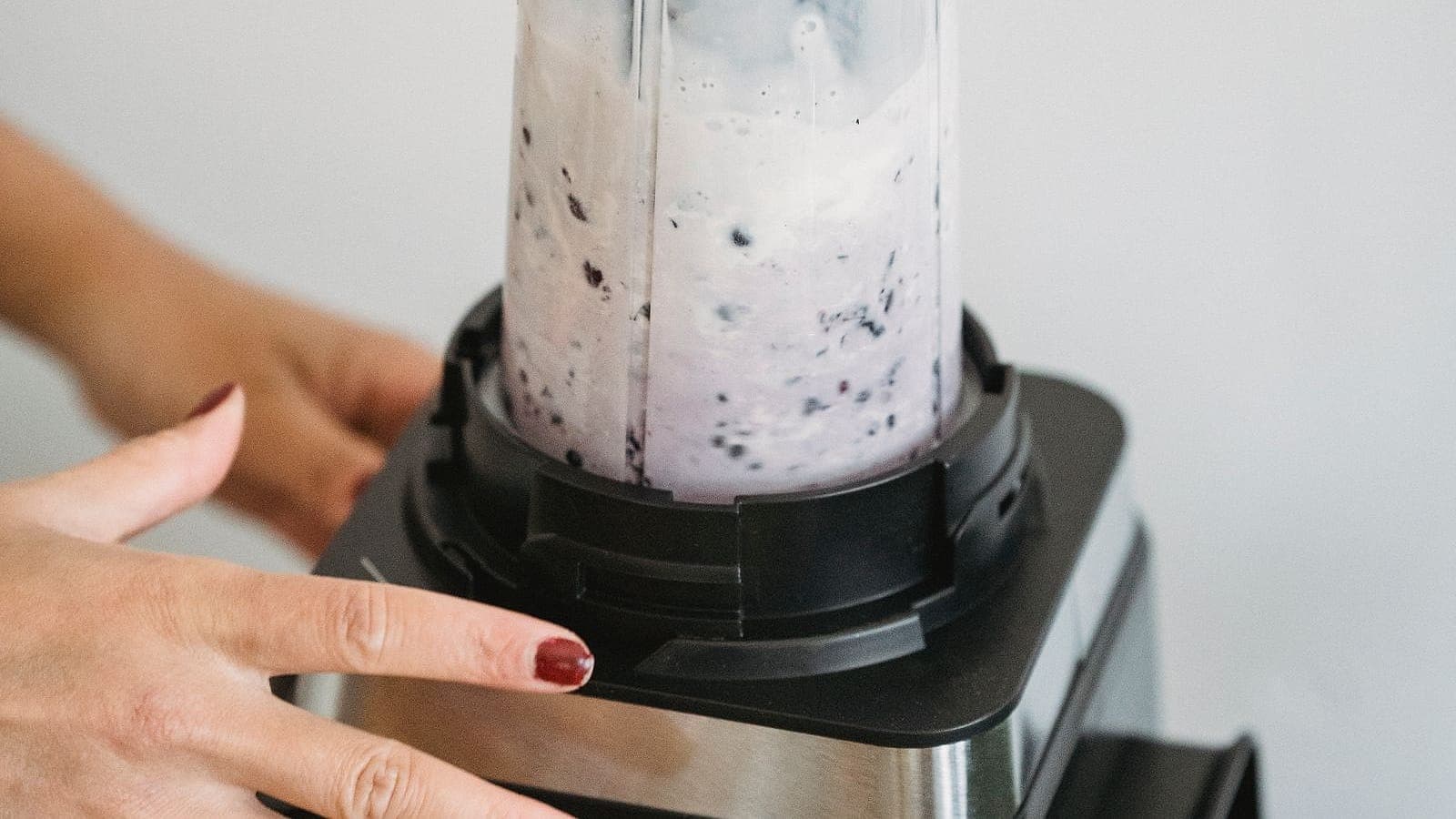
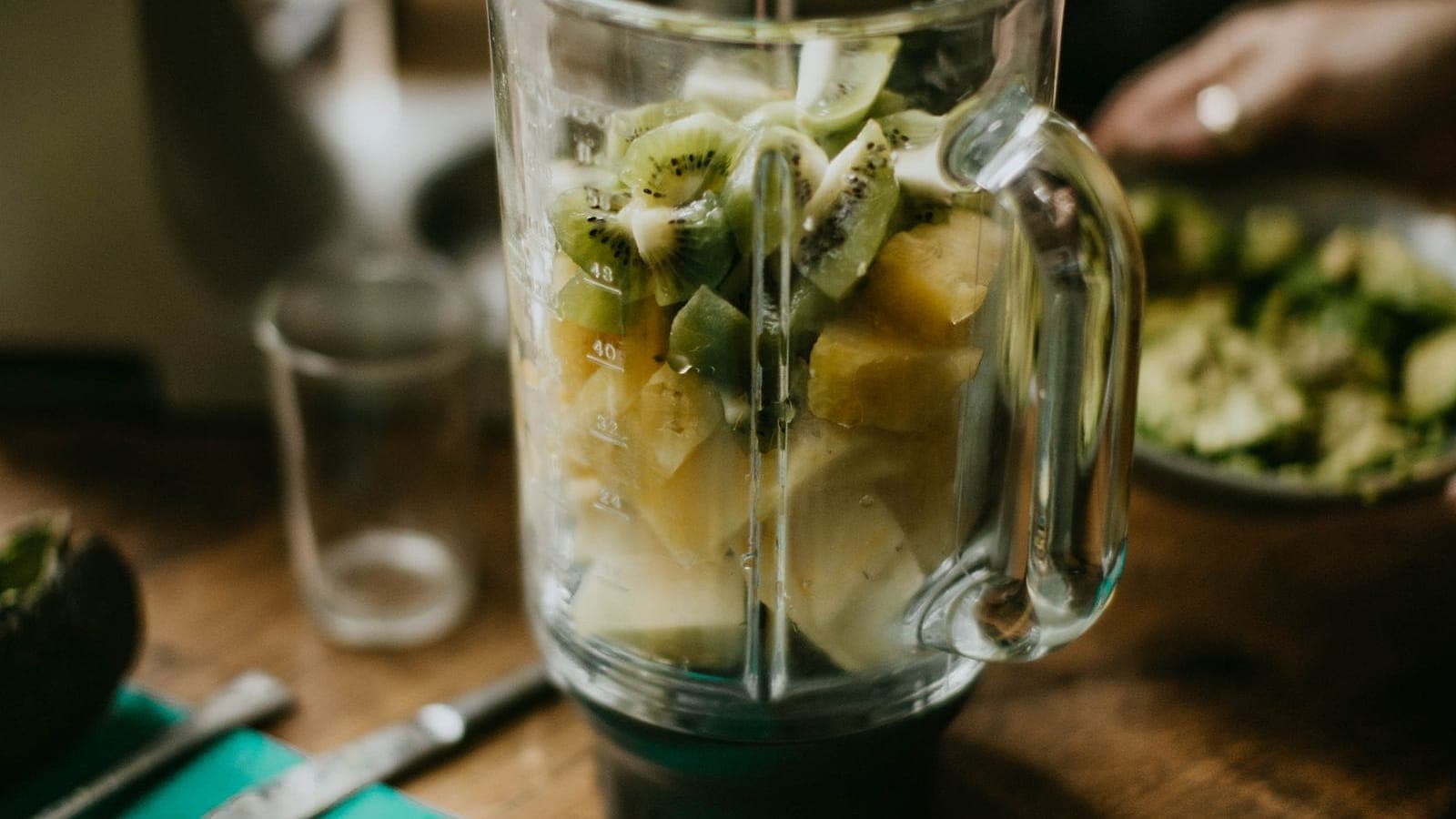
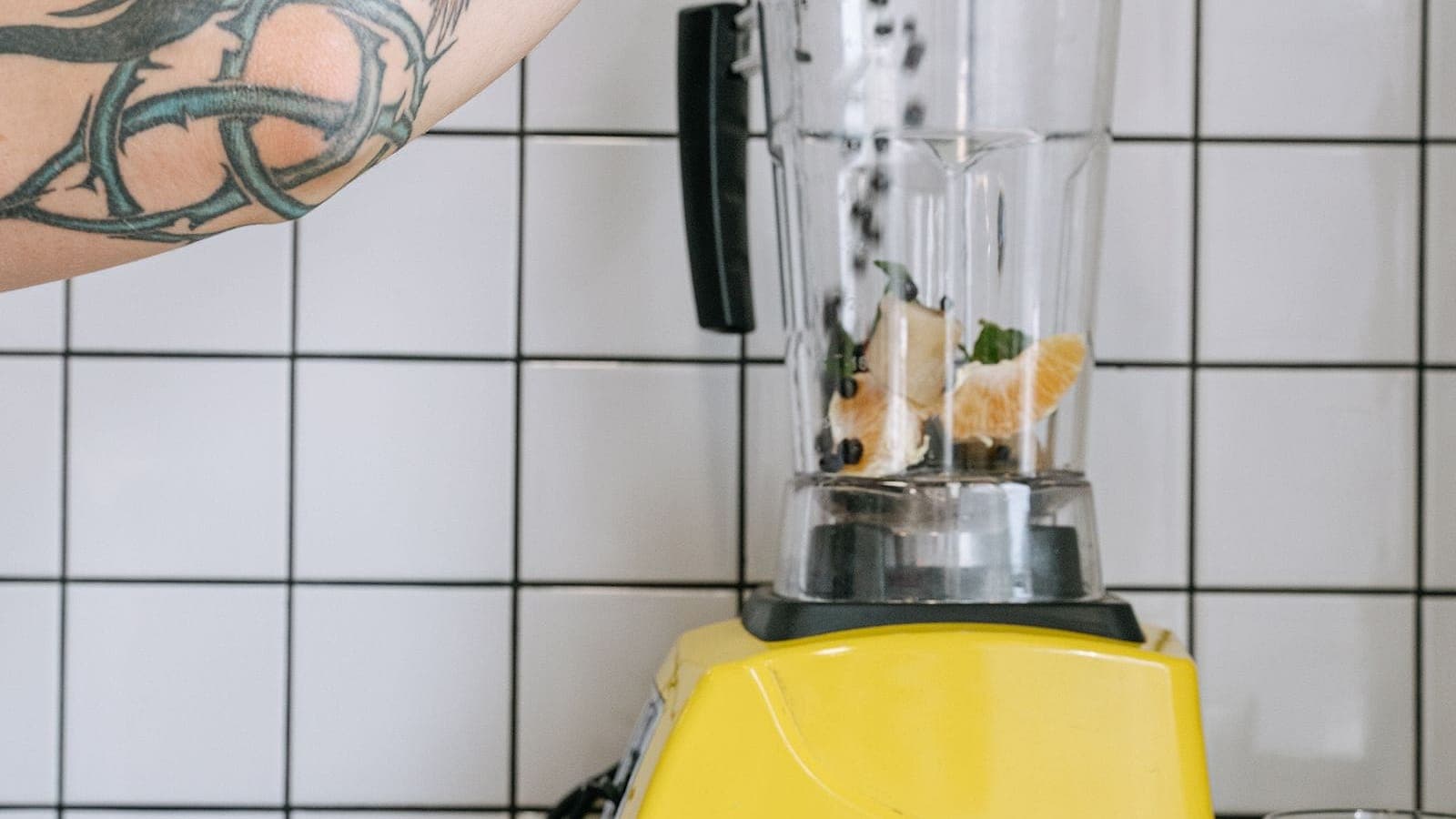
A full-size countertop blender is the workhorse: a tall jar over a powerful motor, built for batches — soups, sauces, frozen drinks, big smoothies, and (on the strongest models) nut butter. It is the machine most of this guide is about.
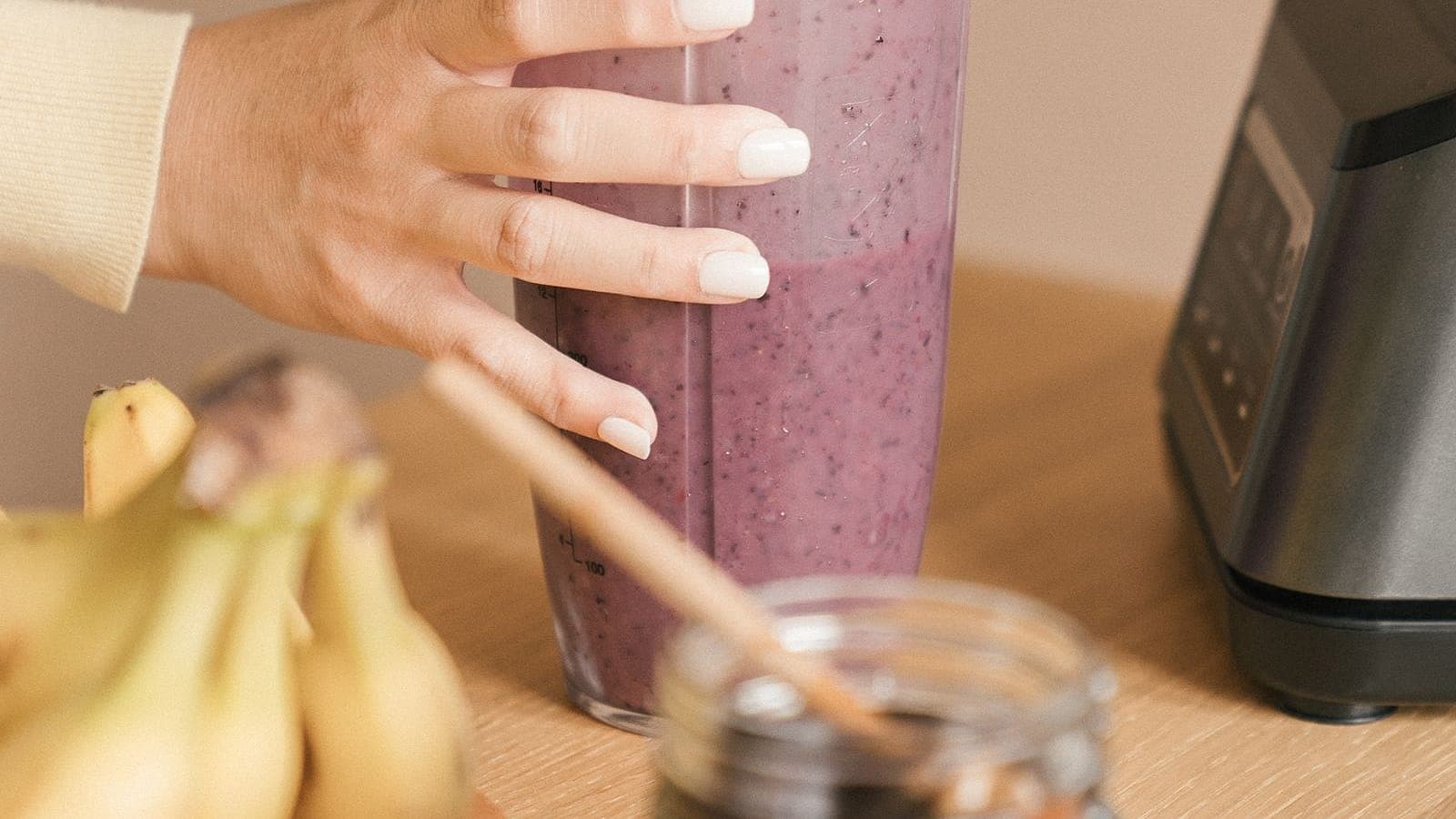
A personal or bullet blender is a small motor base with a single-serve cup that doubles as your travel container. It is cheaper, smaller, and easier to clean, and for one smoothie at a time it is often the smarter buy. Our best personal blenders guide covers that field.
An immersion or hand blender is a wand you lower straight into a pot, so you purée soup where it cooks instead of ladling hot liquid into a jar. It stores in a drawer and cleans in seconds. See our best immersion blenders guide.
If your real question is whether a blender or a food processor belongs on your counter, our blender vs. food processor explainer sorts that out.
Best overall: Vitamix 5200
The Vitamix 5200 is the top overall pick at both America’s Test Kitchen and Wirecutter — rare agreement between two of the most demanding test teams in the business. It is a roughly 2-horsepower machine with plain dials instead of presets and a tamper that lets you push stiff mixtures down into the blades while they run. That tamper is why ATK found it unbeatable on the hardest jobs: it grinds nut butter smooth and, run long enough, heats soup to steaming through blade friction alone. Vitamix backs it with a 7-year warranty.
The trade-offs are real. It is the priciest everyday option here ($$$$), the tall 64-ounce jar does not fit under standard cabinets, and dials mean you are the one deciding when a blend is done — there is no walk-away button. For a daily blender that will likely outlast the rest of your small appliances, most cooks decide that is a fair deal.
Best mid-price: Breville Fresh & Furious
If the Vitamix number makes you wince, this is the pick to write down. The Breville Fresh & Furious is America’s Test Kitchen’s favorite midpriced blender, at about half a Vitamix’s price. ATK’s verdict is the whole argument in one line: it blends “just slightly less finely” than their overall winner. In a smoothie, a frozen drink, or a puréed soup, that difference is nearly invisible. It offers five speeds plus a set of presets, so you get some push-button convenience without paying for a premium machine. For the reader who wants excellent results without spending like a professional kitchen, this is where ATK points most cooks — and where we do too.
Best budget: Ninja Professional Plus
America’s Test Kitchen’s budget pick is the Ninja Professional Plus with Auto-iQ (model BN701): 1,400 watts, a large 72-ounce pitcher, and preset programs, for around a third of what a Vitamix costs. It powers through everyday smoothies and ice with ease. Wirecutter’s value pick is a close cousin — the Ninja Professional Plus Duo, at around $130 — which adds single-serve to-go cups so one machine does both batches and grab-and-go drinks.
Know the ceiling: a budget Ninja will not match a Vitamix on nut butter or on the very smoothest, seed-free purées. For daily smoothies, protein shakes, and frozen drinks at a fraction of the price, that ceiling is higher than most people will ever reach.
Best premium with presets: Vitamix A2500
Some cooks want Vitamix results but would rather push a button and walk away. That is the Vitamix A2500, part of the Ascent line. America’s Test Kitchen recommends it alongside the 5200: near-identical blending, plus dedicated smoothie, hot-soup, and frozen-dessert presets. It also auto-detects the container size and adjusts its programs accordingly. Vitamix stretches the coverage to a 10-year warranty, and it runs around $550. If you want the performance without babysitting the blend, this is the upgrade — you are paying for automation and the longer warranty, not for finer results than the 5200 delivers.
Best for automation: Blendtec Classic 575
If you would rather never touch a tamper, the Blendtec Classic 575 commits fully to hands-off blending: 1,560 watts, preprogrammed cycles, and no tamper at all — its blunt, wingtip-style blade is engineered to pull ingredients down on its own. Head-to-head comparisons from RTINGS put Blendtec ahead of Vitamix on raw power for ice and dry ingredients like grains, while Vitamix takes the edge on manual control and thick blends, where a tamper genuinely helps. Blendtec covers the Classic 575 with an 8-year warranty. If you are torn between the two premium camps, our full Vitamix vs. Blendtec breakdown lays out exactly which one wins for how you cook.
If you mainly make smoothies
If single-serve smoothies are most of what you blend, a personal blender is cheaper, smaller, and easier to clean than any full-size machine — and it blends straight into the cup you carry out the door. Consumer Reports rates the NutriBullet Pro 900 its standout personal blender for durability and smoothie texture, which makes it the natural pick for a daily drink habit.
Consumer Reports’ rule of thumb is worth remembering: reach for a NutriBullet for smoothies, and a Ninja when you want more power and food-processor-style versatility. Our best personal blenders guide covers the whole field, including an excellent budget option around $60 and the Ninja kitchen systems that chop and knead like a processor.
If you mostly blend soup in the pot
When most of your blending is soup or sauce, an immersion blender changes the chore entirely: you purée right in the pot, with no hot liquid to pour into a jar and no jar to scrub afterward. The Breville Control Grip is the one to know. In independent testing it was the most effective at resisting the suction that pins a lesser hand blender to the bottom of the pot, and it ships with a jug, chopper, and whisk, so it handles small blending jobs a wand alone cannot. (The premium, fastest, accessory-free option is the All-Clad hand blender, if budget is no object.) Our best immersion blenders guide has the full rundown.
Do you need a Vitamix?
Short answer: only sometimes. A Vitamix earns its price if you blend most days, want it for thick, demanding jobs like nut butter and hot soup, and intend to keep it for a decade — the 7-year warranty on the 5200 (10 on the Ascent) is the maker betting it will last. If your reality is a few smoothies a week, America’s Test Kitchen’s Breville Fresh & Furious or a roughly $130 Ninja will do the job for far less money, and you will not feel the difference in the glass. We walk through that math in detail in is a Vitamix worth it?. And because a Vitamix is one of the few kitchen tools people genuinely light up to receive, it also lands on our splurge kitchen gifts list.
Sources
- America’s Test Kitchen — The Best Blenders
- Wirecutter — The Best Blender
- Consumer Reports — Best Personal Blenders for Smoothies
- RTINGS — Vitamix vs. Blendtec
result: Complete pillar MDX for /gear/best-blenders/ — ItemList, featured, 1,950 words, all 7 gear slugs in order, at-a-glance table, 5 FAQs, Sources; every claim attributed, prices as bands + only the cited $130/$550/~$60 anchors, warranties/wattages only as given, all internal links within the whitelist. Draft file also at /private/tmp/claude-501/-Users-oriiscovici-Code-Projects-cookloomCO/6915d7ff-1d25-4b22-bf47-7fbe0f43dd31/scratchpad/best-blenders.mdx.