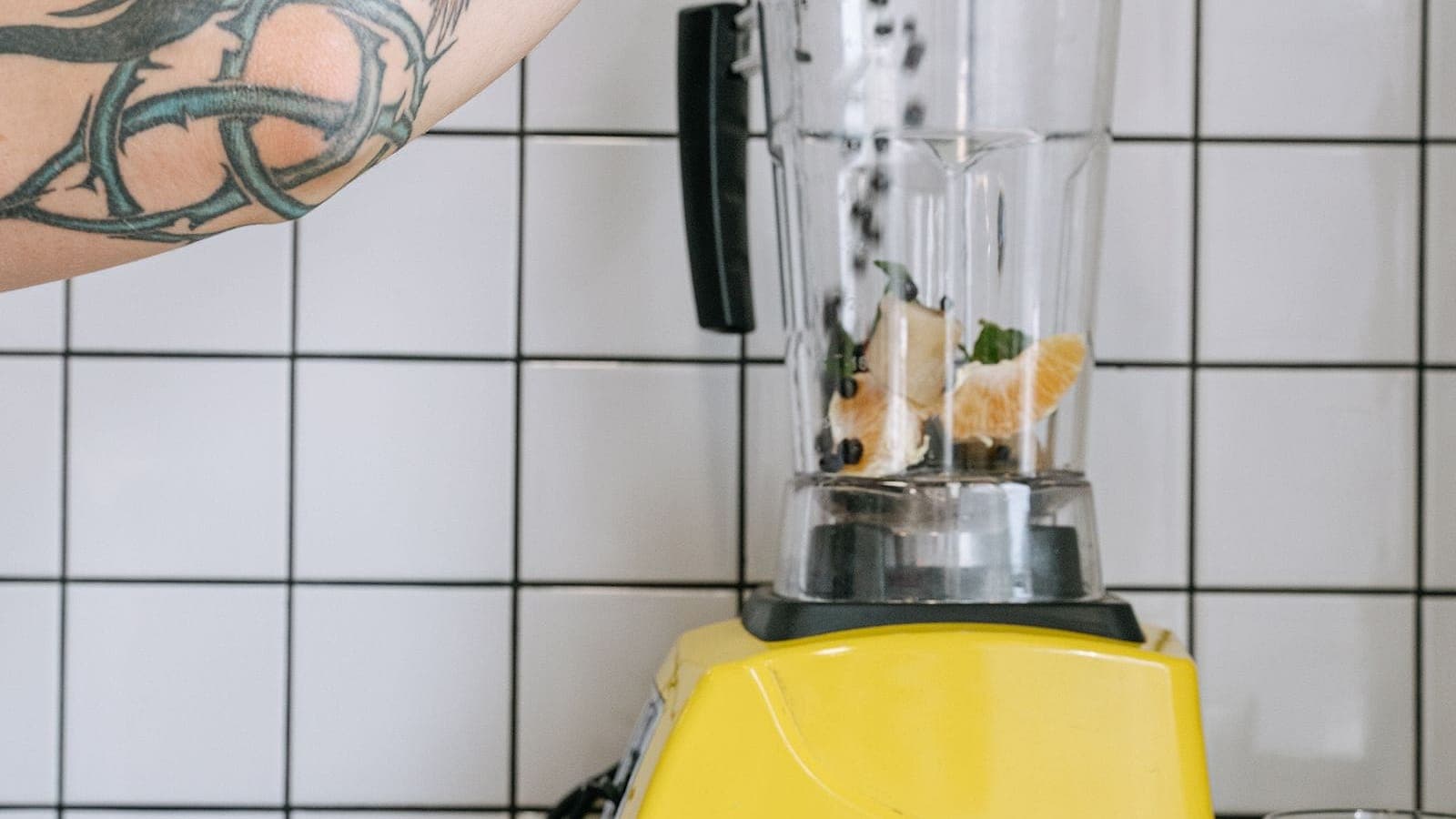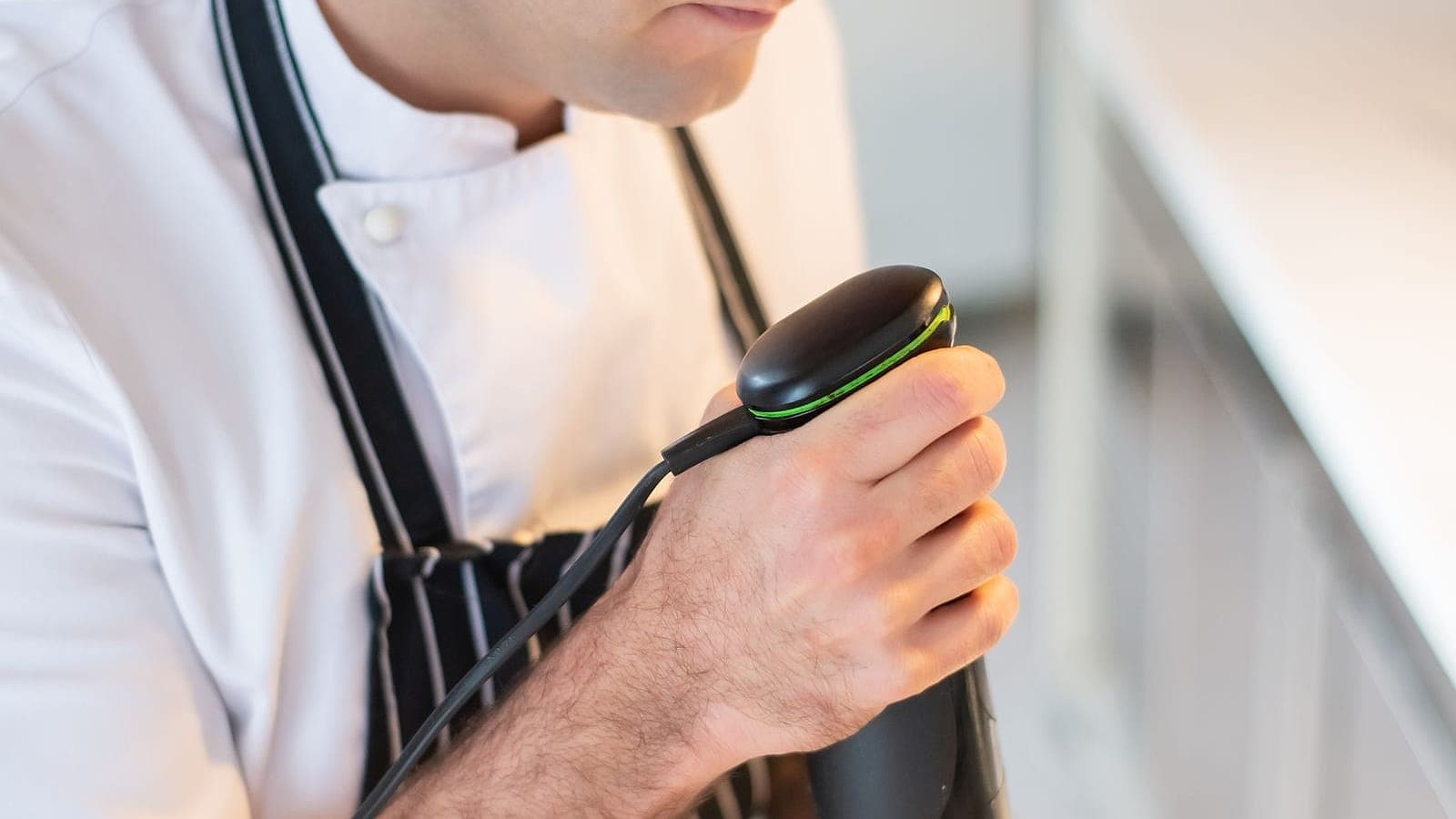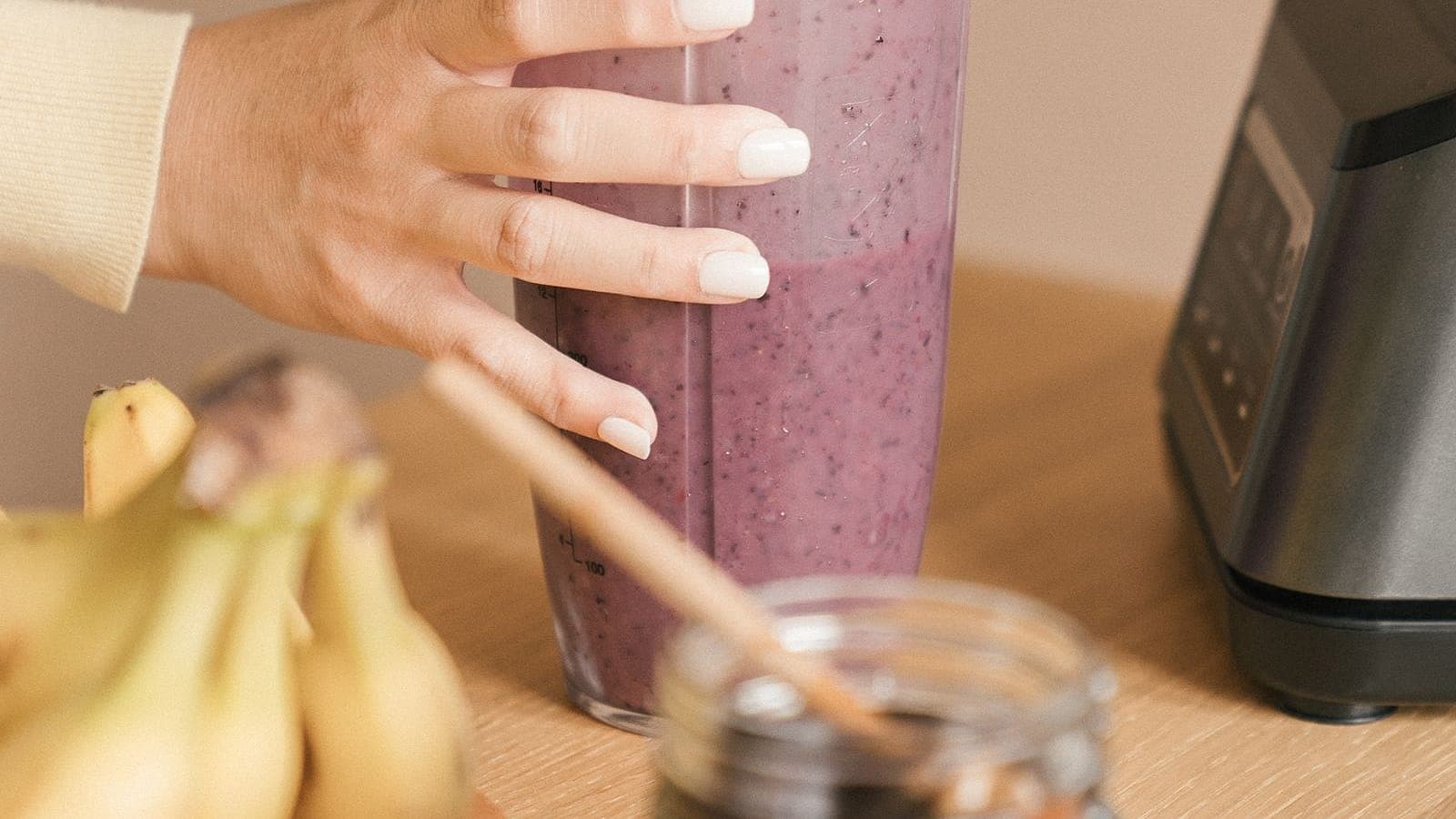
For a single-serve smoothie, a personal blender beats a full-size machine on the things you actually notice every morning: it costs less, it’s faster, and you blend straight into the cup you drink from, with almost nothing to wash. For most people the pick is the NutriBullet Pro 900 — Consumer Reports gives it the top durability score among personal blenders, and it turns out silky single-serve smoothies. To spend the least, the NutriBullet Original 600 does the job for around $60. And if you want a bullet that also chops and kneads, the Ninja Professional Plus Kitchen System (BN801) is the powerhouse. The one honest catch: these are single-serve specialists, not do-everything machines.
The cleanest way to pick a brand comes straight out of Consumer Reports’ testing, and it’s a genuinely useful shortcut: NutriBullet for silky smoothies, Ninja for raw power and versatility. NutriBullet takes the top durability score in the category and specializes in smooth single-serve blends. Ninja’s BN801 is the highest-scoring personal blender Consumer Reports measured, largely because it does more than blend. Which one is “best” depends less on price than on whether you want a dedicated smoothie maker or a compact power tool.
The best personal blenders at a glance
| Pick | Best for | Watts | Price band | Buy it if |
|---|---|---|---|---|
| NutriBullet Pro 900 | Best overall personal blender | 900W | $ | You want silky single-serve smoothies and top-rated durability |
| NutriBullet Original 600 | Best budget | 600W | $ | You want a sensible bullet for the least money (around $60) |
| Ninja Professional Plus Kitchen System (BN801) | Best for power & versatility | 1,400W | $$ | You want a blender that also chops and doughs like a processor |
Price bands: $ = budget (roughly under $100) · $$ = midrange (roughly $100–200). Wattage figures are the manufacturers’ ratings — treat them as a rough within-category signal, not a cross-brand scoreboard, since motor design matters as much as the number.
How we chose
Cookloom is a new publication, and we’re not going to pretend we’ve run months of smoothies through every machine here. We haven’t. Instead, this guide synthesizes the most rigorous independent testing we could find and attributes every verdict to its source, so you can see exactly where a recommendation comes from.
For personal blenders, the standout program is Consumer Reports, which buys its own units and scores them on the things that separate a good bullet from a gimmick: how finely they blend, how they handle ice, how well they purée, and — the metric most roundups skip — durability. Where we point you toward a full-size machine instead, we lean on America’s Test Kitchen and Wirecutter, which independently name the same overall winner. Everything below is labeled by who found it.
NutriBullet vs Ninja: which brand is right for you
Almost every “personal blender” decision collapses into these two brands, and Consumer Reports’ testing draws a clean line between them.
NutriBullet is the smoothie specialist. Its bullets earn the category’s top durability score and are built around one job: purée a single serving until it’s smooth, then twist the cup off and drink. That focus is why a NutriBullet feels effortless for daily smoothies and why there’s so little to clean.
Ninja is the power-and-versatility brand. The BN801 isn’t just a stronger bullet — it’s a small kitchen system, which is exactly why it posts the highest overall score Consumer Reports recorded for a personal blender. If your blending includes crushing ice, tackling tougher ingredients, or occasionally standing in for a food processor, Ninja has the headroom NutriBullet doesn’t chase.
One trait they share, and a reason both count as “personal” rather than full-size: most bullet blenders are twist-to-run with no speed control. You press or twist the cup to blend and let go to stop. It’s simple and fast, but it’s not the dialed-in control a full-size jar gives you.
Best overall: NutriBullet Pro 900
The NutriBullet Pro 900 is the personal blender to buy if you don’t have a specific reason to buy something else. Consumer Reports gives it the top durability score among personal blenders — meaningful in a category where cheap motors and cups are the usual failure points — and rates it a strong performer for exactly the work a bullet is for: silky single-serve smoothies. Its 900-watt motor has enough muscle to break down frozen fruit and leafy greens into a smooth drink, and it will purée raw vegetables into a smooth soup base. The cups are dishwasher-safe, so cleanup stays as painless as the blending.
Be honest with yourself about what it isn’t. Like most bullets, it’s twist-to-run with no speed settings, and it’s built for one serving at a time rather than a pitcher for the family. Within those limits, though, it’s the most reliable, most capable smoothie maker most people will ever need — and it stays in the budget band while doing it.
Best budget: NutriBullet Original 600
If you want to spend as little as possible without buying something you’ll regret, the NutriBullet Original 600 is the cheapest sensible bullet — usually around $60. It’s a lower-powered machine than the Pro 900, but Consumer Reports still rates it excellent for the essentials: crushing ice, mixing icy drinks, puréeing soup, and holding up over time. For a first blender, a dorm or small kitchen, or a low-commitment way to find out whether you’ll actually make smoothies every day, it’s a lot of capability for very little money.
What you give up versus the Pro 900 is headroom. The 600-watt motor is happy with softer ingredients and everyday smoothies, but it has to work harder on stubborn frozen chunks and dense greens. If daily green smoothies with lots of ice are your routine, the extra power of the Pro 900 is worth the small step up. If you’re a casual blender, the 600 is the smart, no-frills pick.
Best for power and versatility: Ninja Professional Plus Kitchen System (BN801)
The Ninja Professional Plus Kitchen System (BN801) is the pick when “personal blender” undersells what you actually want. It’s Consumer Reports’ highest-scoring personal blender, and the reason is right there in the name: it’s a system. Alongside the single-serve to-go cups, a 1,400-watt motor drives a full-size pitcher and — the part that sets it apart — a food-processor bowl that chops, mixes, and even handles dough. That makes it the rare blender that can also stand in for a second appliance, which is a real advantage if your counter and budget only have room for one machine.
The trade-off is that you’re buying more than a bullet: more parts to store, a bigger footprint, and a bit more to clean. If you mostly want to press a cup and drink, that’s more machine than you need. But if you’ve been weighing whether to buy a blender or a food processor, the BN801 blurs the line on purpose — and our guide to a blender vs. a food processor walks through where each one genuinely wins so you can decide whether one appliance can cover both jobs.
When to size up to a full-size blender
Personal blenders are single-serve specialists, and it’s worth naming what that means before you buy. They aren’t built for big batches, they’re not designed for hot liquids the way some full-size machines are, and they won’t reach the ultra-fine, restaurant-smooth texture a high-end full-size blender delivers. The twist-to-run design that makes them so easy also means no speed control.
If any of those are dealbreakers — you blend for a household, you want to blend hot soup right in the jar, or you’re chasing the absolute smoothest texture — size up to a full-size machine. America’s Test Kitchen and Wirecutter both make the Vitamix 5200 their top full-size pick, and our roundup of the best blenders covers the full range from that splurge down to strong midpriced and budget options. Plenty of kitchens end up owning both: a bullet for the weekday smoothie you drink from the cup, and a full-size blender for everything bigger.