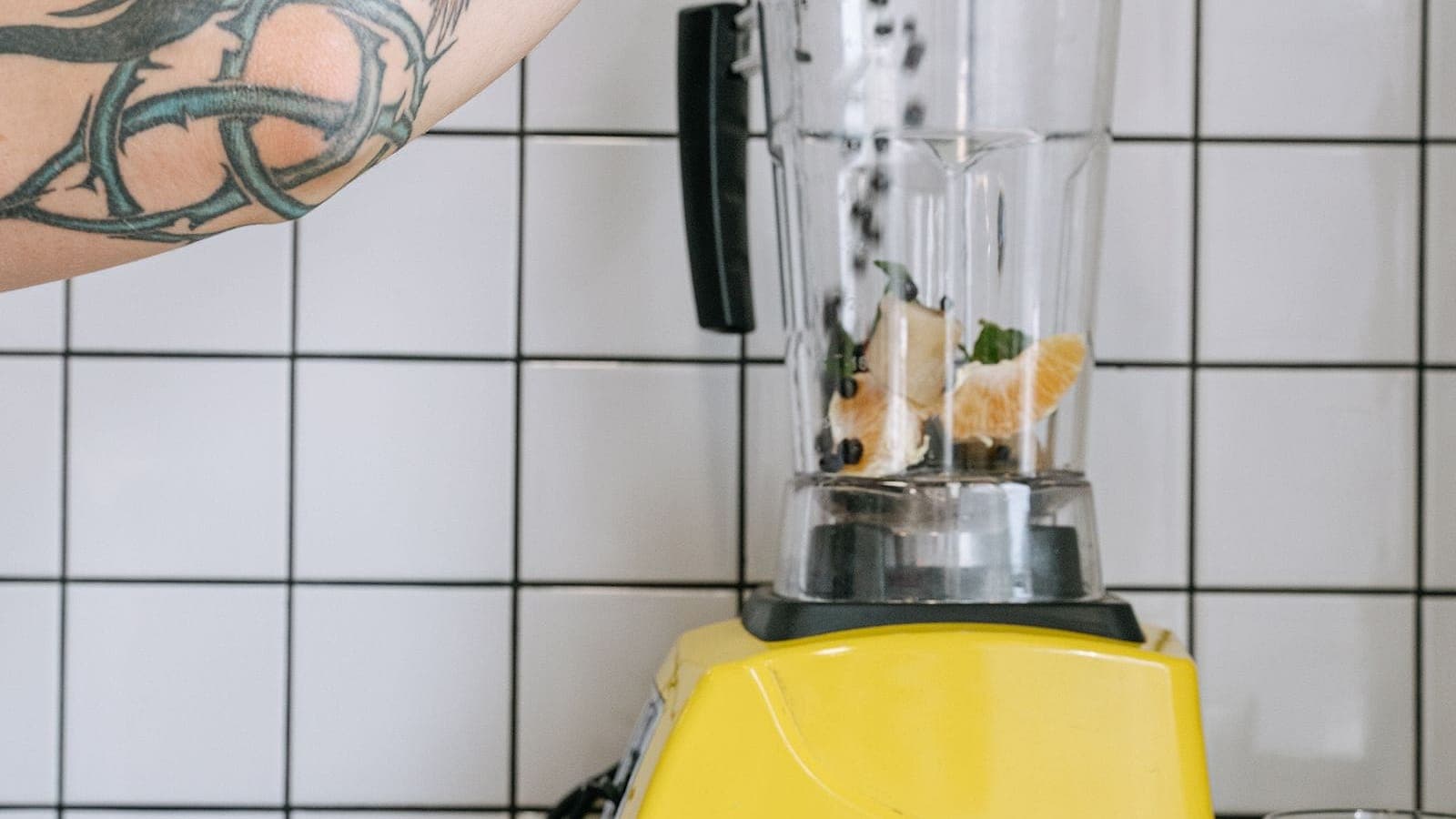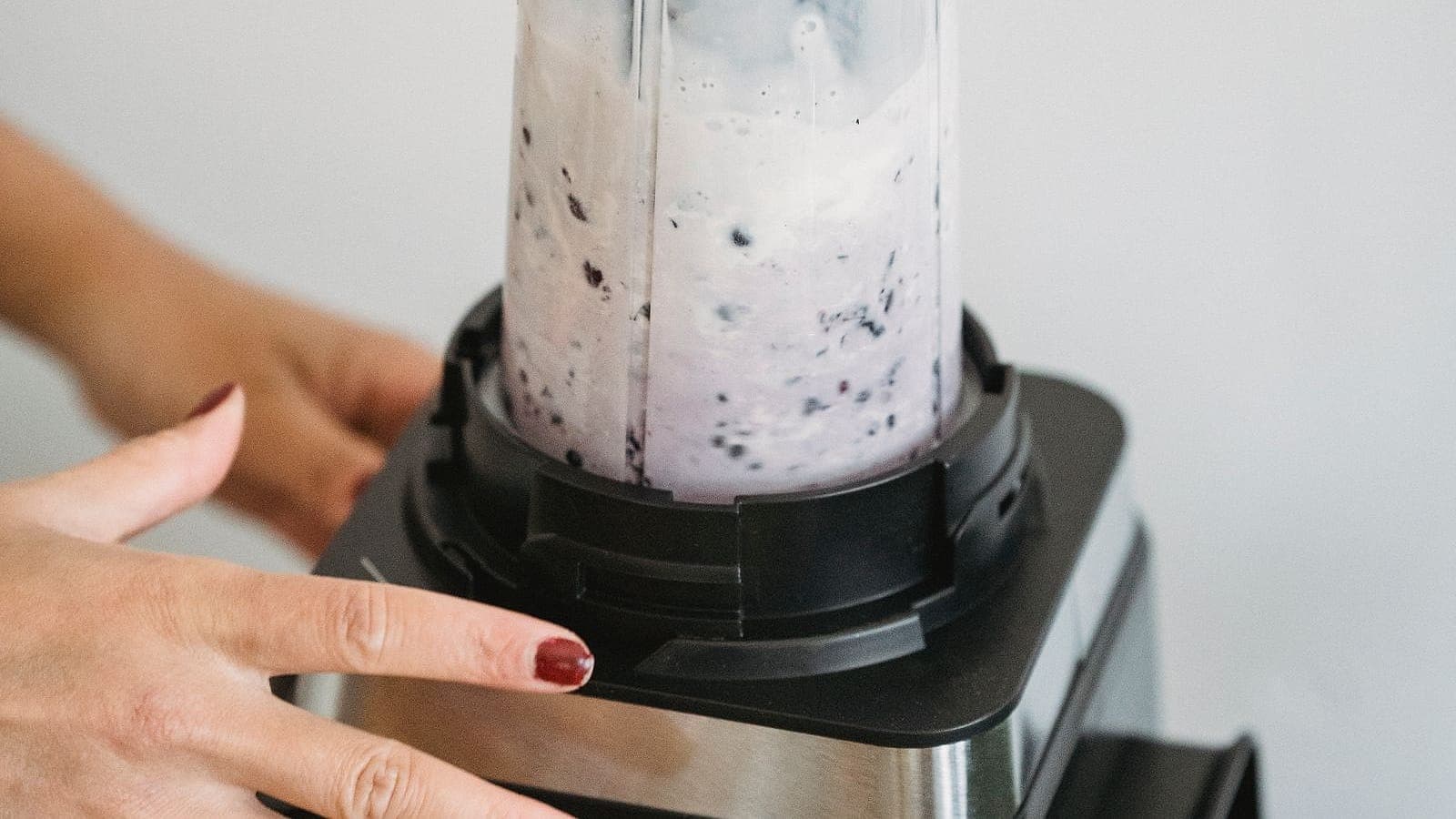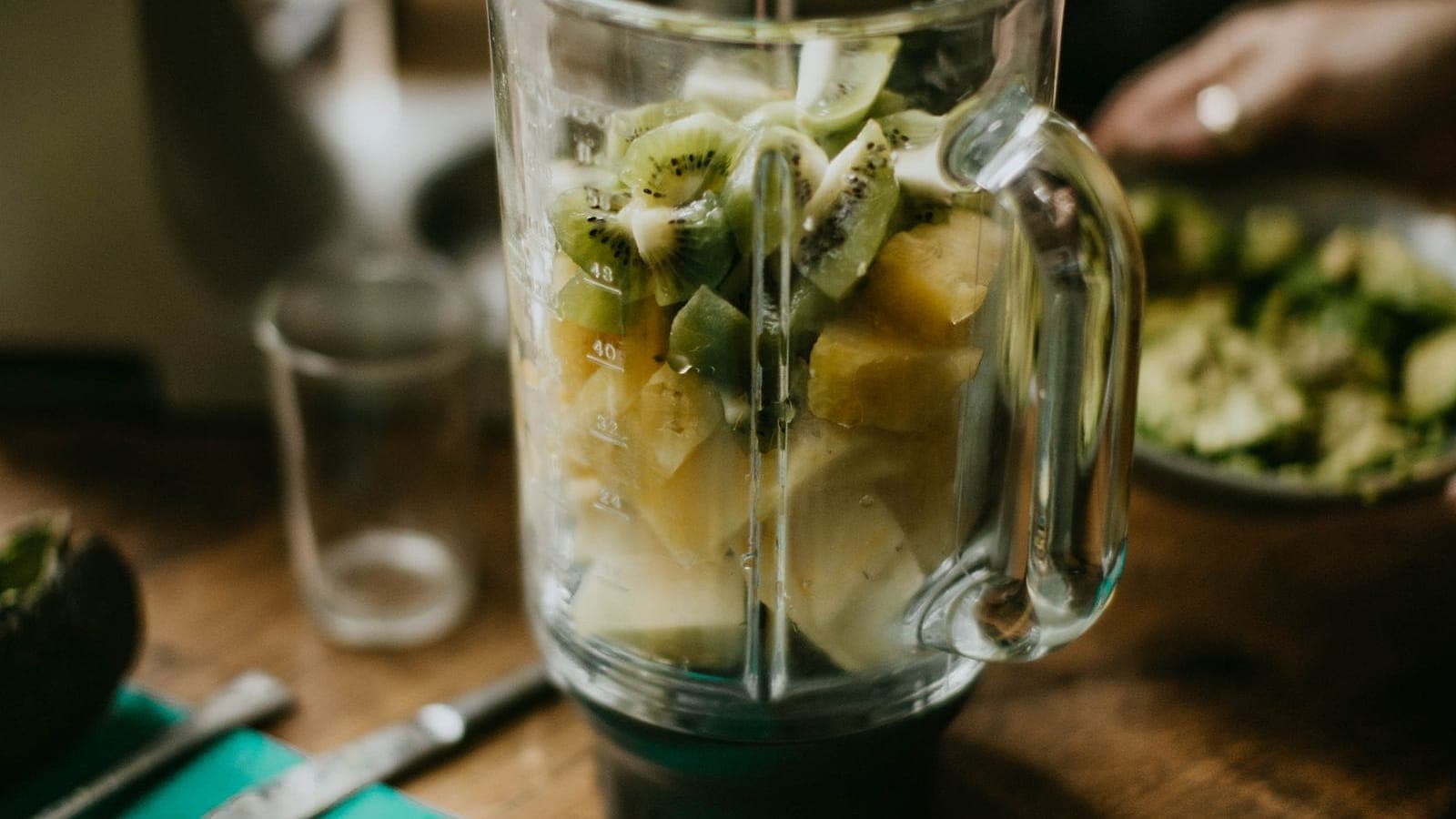
Here’s the honest answer most buying pages won’t give you: a Vitamix is worth it for some people, not most. It earns its price if you blend most days, make your own nut butter or hot soup, want the finest possible texture, and value a machine built to run for a decade or more — which is exactly why America’s Test Kitchen and Wirecutter both name the Vitamix 5200 their long-term top pick. But if you make a few smoothies a week, you’ll be just as happy with a midpriced blender like the Breville Fresh & Furious or a roughly $130 Ninja — and several hundred dollars better off. This page is built to help you decide honestly, then buy the right machine, instead of talking you into the most expensive one.
The verdict: Buy a Vitamix if you blend often and specifically want ultra-fine texture, thick blends like nut butter, and hot soup made in the jar — and you value a machine backed by a 7-to-10-year warranty. If smoothies a few times a week are the whole job, the Breville Fresh & Furious or a ~$130 Ninja Professional Plus does that job for a fraction of the price. Set on premium either way? Our best blenders guide walks the full field.
The short answer
Use a two-line rule. Line one: how often will you actually blend — most days, or twice a week? Line two: what are the hardest jobs you’ll ask of it — smoothies and frozen drinks, or nut butter, hot soup, and silky purées? If both answers land on the demanding side, a Vitamix’s price starts to make sense. If either answer is “occasionally” or “just smoothies,” a cheaper machine is almost certainly the rational buy. Everything below is just those two questions in more detail.
What a Vitamix’s price actually buys
A Vitamix costs three to four times what a good everyday blender does, so it’s fair to ask what the extra money buys. Based on America’s Test Kitchen’s and Wirecutter’s testing, it comes down to four things — and none of them is magic.
Finer, more consistent texture
The clearest difference is smoothness. A Vitamix pulverizes fibrous greens, seeds, and skins more completely than cheaper machines, so smoothies come out silkier and purées come out without the grit or fleck of pulp that budget blenders leave behind. America’s Test Kitchen and Wirecutter both make the two-horsepower Vitamix 5200 their overall top pick largely on this — it simply blends finer, and more consistently batch to batch, than anything below it.
The tamper, and the thick blends cheap machines choke on
The Vitamix’s secret weapon isn’t power alone — it’s the tamper, the plunger that lets you drive a stiff mixture down into the blades while the motor runs. That’s how a Vitamix makes nut butter, thick dips, frozen desserts, and low-liquid purées without stalling or leaving an unblended pocket at the top. It’s exactly the task that stops a budget blender cold, and it’s the single biggest reason ATK rates the 5200 so highly on nut butter.
Hot soup made in the jar
A Vitamix can heat soup to steaming through blade friction alone — run it long enough and the machine cooks the soup as it blends. Cheap blenders can’t do this, and it’s a genuinely useful trick if you make puréed soups often. If you never make hot soup, though, it’s a feature you’re paying for and won’t use — be honest about which camp you’re in.
Longevity and the warranty
Vitamix machines are built to be serviced and to run for years, and the warranty reflects that: the Vitamix 5200 carries a 7-year warranty, and the preset-equipped Vitamix A2500 (Ascent) carries a 10-year warranty. That durability is a real part of the value — a machine you use daily for ten-plus years has a very different cost-per-use than a budget blender you replace every few years. It also holds its resale value far better than cheaper blenders.
Who should buy one
A Vitamix is worth it if you see yourself in most of this list:
- You blend most days, not a couple of times a week.
- You make nut butter, thick dips, or frozen desserts — the jobs the tamper is built for.
- You make puréed or hot soup and want to do it in the blender.
- You care about the finest possible texture in smoothies, sauces, and purées.
- You want a machine that lasts a decade-plus and don’t mind that it’s large and heavy.
If that’s you, the cost-per-use is genuinely small and the Vitamix 5200 is the machine ATK and Wirecutter would point you to.
Who should NOT buy one (and what to buy instead)
This is the section affiliate pages skip. A Vitamix is the wrong buy for a lot of people, and here’s who:
- Occasional smoothie makers. If you blend a few times a week, a roughly $130 Ninja Professional Plus — America’s Test Kitchen’s budget pick — or a NutriBullet does everyday smoothies and frozen drinks perfectly well, for a third of the price.
- Budget- or space-limited kitchens. A Vitamix is big, tall, and heavy; it claims a permanent counter spot. If money or counter space is tight, it’s better spent elsewhere.
- Preset lovers who won’t use manual control. The 5200’s charm is simple dials and a tamper you work by hand. If you’d rather hit one button, consider the Vitamix A2500 (Ascent), which adds smoothie, soup, and frozen presets and auto-detects the container — or a Ninja or Breville with one-touch programs for far less.
- Single-serve blenders. If you only ever make one smoothie at a time, a personal blender is cheaper, smaller, and easier to clean. See our best personal blenders guide for those.
The cheaper alternatives, honestly
You don’t lose much by spending less, as long as you spend it on the right machine.
The midpriced pick: Breville Fresh & Furious. America’s Test Kitchen’s favorite midpriced blender costs about half what a Vitamix does and, in their testing, blends “just slightly less finely.” For most home cooks that gap is invisible in a finished smoothie or sauce. If you want most of a Vitamix’s everyday performance without the premium, this is the honest first stop.
The budget pick: Ninja Professional Plus. At around $130 — roughly a third of a Vitamix’s price — the Ninja Professional Plus handles everyday smoothies, protein shakes, and crushing ice with one-touch programs. It won’t match a Vitamix on nut butter or ultra-fine texture, and it isn’t built to run for a decade, but for the jobs most people actually do, it’s more than enough.
For the full field — premium, midpriced, and budget, with where each one wins — our best blenders guide lays it all out.
Vitamix vs Blendtec, briefly
If you’ve decided you want a premium blender, the other name you’ll weigh is Blendtec. The short version, drawing on RTINGS’ comparison: Vitamix wins on manual control and versatility — the tamper lets you push through thick blends like nut butter that a Blendtec can’t tackle the same way. Blendtec wins on automation and raw power for ice and dry ingredients like grains, and it runs without a tamper at all. Both are premium machines with long warranties (the Vitamix 5200’s is 7 years; the Blendtec Classic 575’s is 8). Which one fits depends on whether you’d rather steer the blend yourself or let presets do it — our Vitamix vs Blendtec comparison goes deeper.
A cheaper way into a Vitamix: certified refurbished
If the case for a Vitamix fits you but the price stings, there’s a lower-cost route to the same machine: Vitamix sells certified reconditioned units directly. These are tested, restored by the maker, and come with a warranty — so you get Vitamix performance and Vitamix support for meaningfully less than new. It’s the lowest-risk way to spend less without dropping down to a different machine, and it’s worth checking before you pay full price.
The break-even, without the fake math
Skip the payback formulas — the honest way to think about a Vitamix is cost per use, not a spreadsheet. If you blend daily and lean on the texture, the tamper, and hot soup, that price spreads across thousands of uses and the machine is easily worth it. If it’ll blend twice a week for smoothies, the same price spreads thin and a cheaper machine is the rational call. Frequency and the difficulty of your jobs decide it — not the sticker.
One more honest note: a Vitamix makes a genuinely great splurge gift precisely because it’s the machine most people won’t buy for themselves. If you’re shopping for someone who blends constantly, our splurge kitchen gifts guide has more in that vein.
The honest bottom line
A Vitamix is a superb machine for the people who use it hard — and expensive dead weight for everyone who bought it because a serious kitchen “should” have one. If you blend most days, make nut butter or hot soup, want the finest texture, and want a decade-plus machine, buy the Vitamix 5200 and enjoy it; certified refurbished makes it easier to swallow. If you make a few smoothies a week, the Breville Fresh & Furious or a ~$130 Ninja Professional Plus will make you just as happy and leave several hundred dollars in your pocket. Be honest about how you actually blend, and the answer picks itself.
How we researched this
This guide synthesizes independent testing and expert reporting rather than in-house testing, and every performance claim above is attributed to its source. Key references include America’s Test Kitchen, Wirecutter, RTINGS, and Consumer Reports. Prices are approximate, reported as bands or rough anchors, and shift with sales — verify current pricing before you buy.