Viral Food Trends, Honestly Reviewed
FoodTok produces a new “you have to try this” recipe roughly every week. Some are genuinely great and deserve a permanent spot in your rotation. Others are all styling and no substance — a trick that photographs beautifully and eats like a disappointment. This hub cuts through it with honest verdicts, no invented view counts, and the technique behind why each trend works or flops.
TL;DR — A handful of viral recipes are legitimately worth your time (baked feta pasta, green goddess salad, marry me chicken). Others are novelties best made once for the fun of it. We tell you which is which, and how to make the good ones actually work in your kitchen.
How we judge a trend
We put every viral dish through the same four questions, and we do it without pretending we have numbers we don’t. You will not find fabricated view counts or invented origin stories here — where a trend’s history is fuzzy, we say so.
- Does it actually taste good? Not “is it striking on camera” — is it something you’d want to eat again next week.
- Is it as easy as the video makes it look? Videos are edited. We flag the steps that get quietly skipped and the ones that decide whether the dish succeeds.
- Does it rely on a trick that photographs better than it eats? Some trends are engineered for the pause-and-screenshot moment. That’s fine as spectacle, but we’ll tell you when the substance doesn’t match the styling.
- Is it safe? Where a trend involves real hazards — molten sugar, raw egg, undercooked chicken — we name the risk plainly and give the actual safe temperature or handling step.
The trends
Each of these has its own full review. Here’s the one-line honest verdict, so you know before you click whether it’s worth your evening.
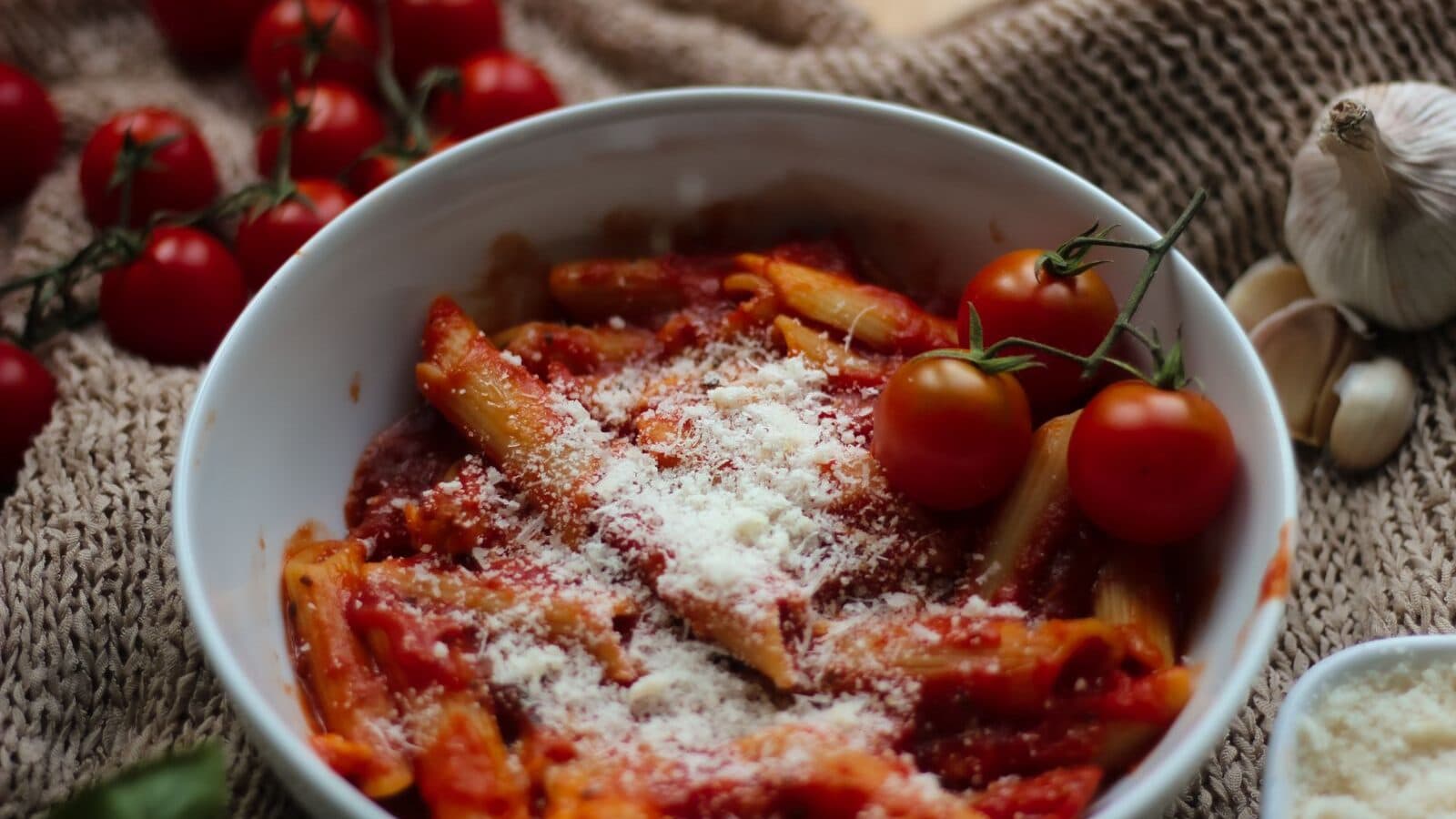
- Baked Feta Pasta — the rare viral recipe that fully delivers. A block of feta, a pile of tomatoes, one pan, and a genuinely great sauce with almost no effort.
- Dalgona (Whipped) Coffee — photogenic and fun, more novelty than daily brew. The whipped cloud is real and it works, but it lives or dies on using instant coffee, not brewed.
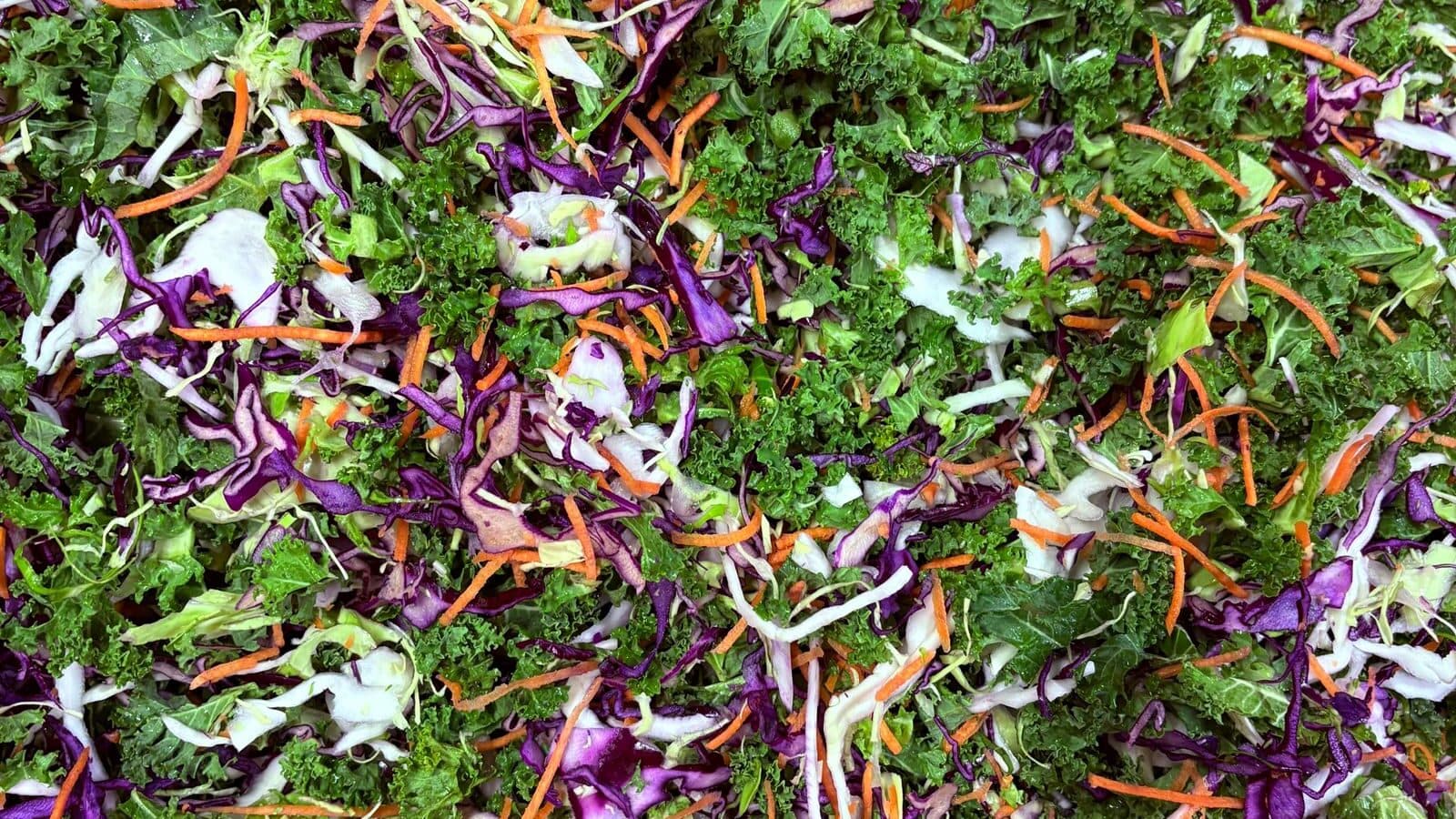
- Green Goddess Salad — genuinely addictive, and it earns the hype. A finely chopped salad with a herby, punchy dressing that people eat by the scoopful. This is the one that most rewards a food processor.
- Marry Me Chicken — a rich weeknight skillet dinner that lives up to the name. Seared chicken in a sun-dried-tomato cream sauce; the technique is classic, the payoff is high.
- Cottage Cheese Ice Cream — a solid high-protein treat, but not real ice cream. Blended cottage cheese sets up into something frozen and creamy-ish. Judge it on its own terms and it’s good; expect gelato and you’ll be let down.
- Tanghulu — glassy candied fruit; delicious and genuinely a little dangerous. The sugar shell is stunning, but you’re working with syrup hot enough to cause serious burns, so it earns its own careful explainer.
The tools that make trends work
A lot of viral recipes lean on a single appliance, and using the right one is often the difference between “looks like the video” and “why is mine soup.”
The chopped-salad trends — green goddess above all — are built around getting everything into uniform, forkable little pieces. Doing that by hand is a workout; a good food processor turns it into a ten-second job and is the single most useful tool for this whole category. Our pick for that work is the Cuisinart Custom 14, which has the capacity and the pulse control the technique actually needs.
The frozen and whipped trends are a blender story. Cottage cheese ice cream only becomes creamy because a powerful motor obliterates the curds into a smooth base — a weak blender leaves it grainy. A high-power machine like the Vitamix 5200 is genuinely the tool that makes it work, and it’s also what you want for any smoothie or frozen-fruit trend.
For the skillet trends — marry me chicken, and any recipe that hinges on a deep, even sear — a heavy pan that holds and radiates heat matters more than any gadget. A well-seasoned cast-iron skillet is the classic answer. And the dalgona crowd will notice their results improve dramatically with the right starting ingredient far more than with any fancy coffee maker — see the failure list below.
Why trends fail at home
When a viral recipe flops in a real kitchen, it’s almost always one of a short list of reasons — and none of them are your fault, because the video didn’t tell you.
- Overcrowded pans. Piling too much into a skillet drops the temperature and steams food that was supposed to sear. Work in batches; give things room.
- The wrong ingredient. The classic is dalgona coffee: it whips into a cloud with instant coffee because of how it dissolves, and simply will not with brewed or ground coffee. Cottage cheese ice cream needs full-fat cottage cheese to turn creamy. Small swaps break these recipes.
- Skipping the drying or searing step. Patting chicken dry before it hits the pan, or letting a sauce actually reduce, is what separates the glossy on-screen result from a pale, watery one. These are the steps most often edited out.
- A trick that only works on camera. Some trends are styled and shot at the single best second. If a dish is engineered for the visual and not the plate, no technique will make it taste like it looks — and we’ll say so in its review.
The honest summary: viral food is worth exploring, but treat the video as the pitch and the written recipe as the contract. The trends that survive contact with a real kitchen are the ones built on real technique — and those are the ones worth keeping.
Sources
- Widely reported coverage of these trends’ origins and popularity, described in general terms; we do not quote view counts or invent creators.
- USDA safe minimum internal temperatures for poultry and other foods (e.g. chicken to 165°F / 74°C).
- General food-science references on emulsification, whipping, and why instant coffee behaves differently from brewed.
- Cookloom’s own hands-on reviews of the food processors, blenders, and cast-iron skillets referenced above.