Cottage Cheese Ice Cream, Honestly Reviewed
Blend a tub of cottage cheese with a little sweetener, freeze it, and you get a scoopable, protein-heavy frozen dessert that half the internet swears tastes like real ice cream. It does not — but that is not the same as saying it is bad. Set your expectations correctly and this is a genuinely decent treat; expect a pint of premium ice cream and you will feel cheated.
TL;DR: Blended frozen cottage cheese is a solid high-protein frozen dessert, not ice cream. Texture is the entire battle: use full-fat cottage cheese, add a little fat, blend far longer than feels necessary, and eat it soon after freezing.
What it is
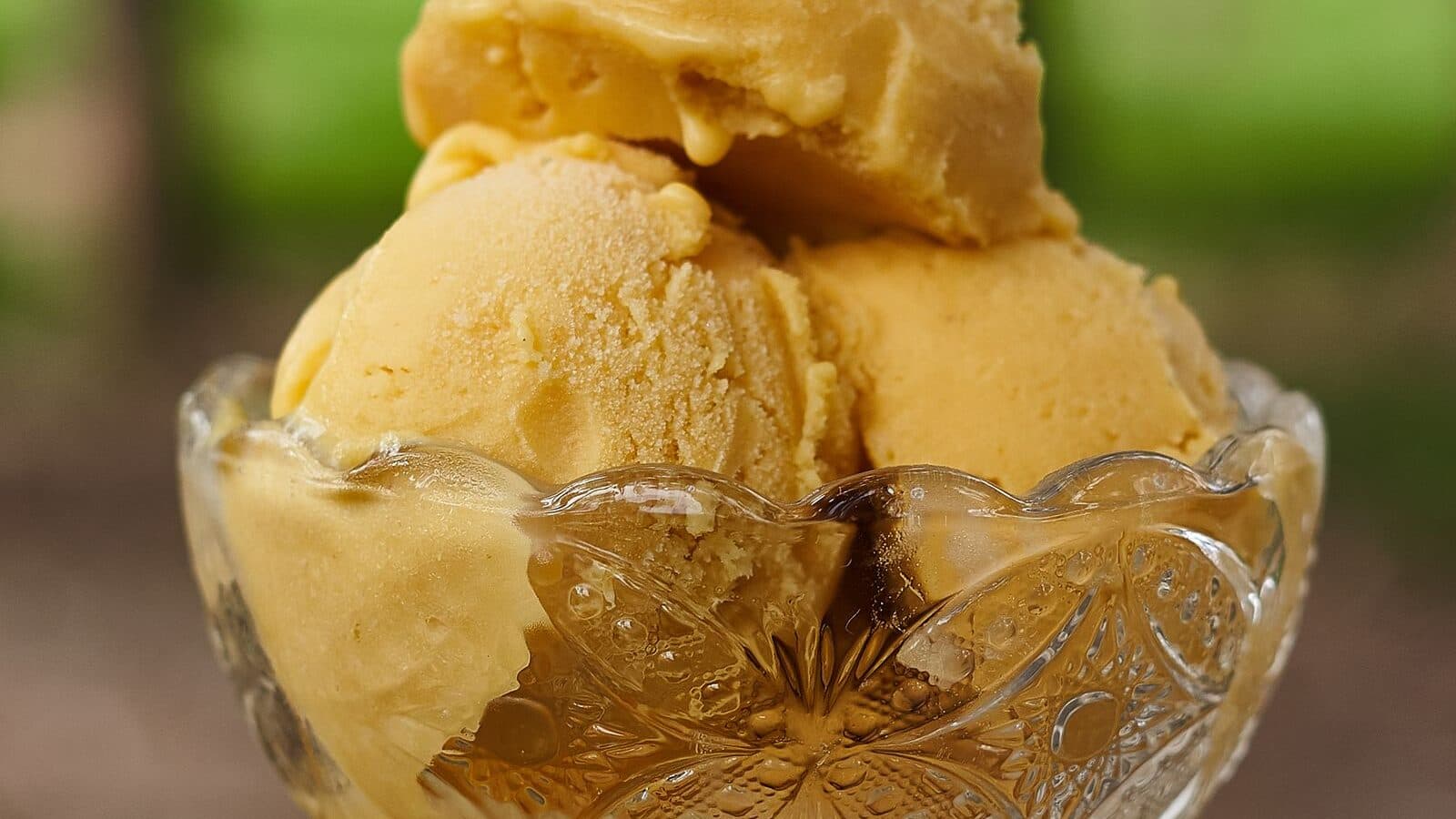
Cottage cheese ice cream is exactly what it sounds like — cottage cheese blended completely smooth with a sweetener and a flavor, then frozen until scoopable. The blending is the whole trick: it breaks down the curds into a thick, uniform base, and freezing that base gives you something you can scoop like soft-serve. There is no churning, no ice cream maker, and no custard to cook. It is closer in spirit to blended frozen yogurt than to a traditional dairy ice cream.
Where it came from
This one rode the broader “cottage cheese everything” wave that spread across TikTok — cottage cheese in pasta sauce, in flatbread, whipped into dips, and eventually blended and frozen. It is widely credited to home cooks chasing a higher-protein swap for dessert rather than to any single brand or recipe developer, and it spread the way most food trends do: one convincing video, then a thousand variations. The demand is real and the format is genuinely easy to riff on; I am not going to attach an invented view count to it, because I do not have a verified figure worth quoting.
Does it actually work? (the honest verdict)
Mostly, yes — as long as you judge it as what it is. As a high-protein frozen dessert, it works. Blending shears the curds into a creamy base, the flavor options are wide open, and cottage cheese is genuinely protein-dense, so the finished treat carries real protein (a plain fact about the ingredient, not a health claim).
The caveats are all about texture, and they are the reason so many people post a disappointed follow-up video. Skip the fat — no cream cheese, no cream — and two things go wrong: the base tastes noticeably tangy, and it freezes icy and rock-hard, because cottage cheese is mostly water and protein with little fat to keep it soft. A weak blender leaves it grainy; a high-power blender is what gets it truly smooth. And it is at its best soon after freezing, when it is soft-serve texture. Frozen solid overnight, it needs a rest on the counter before a spoon stands a chance.
So: manage expectations and it is a satisfying, quick, protein-forward treat. Line it up against a churned pint like Ben & Jerry’s and it loses — different fat, different technique, different thing. If you liked the do-it-honestly framing on our viral food trends hub, this is a trend that earns a qualified thumbs-up rather than the breathless hype it usually gets.
Tips & variations
- Go full-fat, and add a little more fat. Full-fat cottage cheese plus a spoon of cream cheese (or a splash of cream) is the single biggest upgrade for creaminess and scoopability. This is the fix for the “why is mine an ice cube” problem.
- Blend longer than you think. Stop when you think it is smooth, scrape the sides, and keep going. Any leftover curd graininess only becomes more obvious once it is frozen and cold.
- Match the fat to the mix-in. Peanut butter, mascarpone, or a swirl of chocolate carry their own fat, which helps texture as much as flavor. Chocolate, strawberry, and coffee versions all work; a squeeze of the mix-in’s fat is what keeps it scoopable.
- Eat it early. Aim for the 3–4 hour mark. If it is going in the freezer for the long haul, plan on a 5–10 minute counter rest before serving.
- Sweeten to taste before freezing. Cold dulls sweetness, so a base that tastes just-right at room temperature will read slightly flat frozen. Nudge it a touch sweeter than you would think.
If you like a viral trend that leans on a clever technique rather than a gimmick, the whipping method behind dalgona coffee is a good companion read — same idea that the how matters more than the ingredient list.
Sources
- Widely reported coverage of the “cottage cheese everything” trend and its high-protein framing across major food and lifestyle outlets.
- General food-science references on how blending curds and adding fat affect the texture and freezing behavior of dairy-based frozen desserts.
- Manufacturer and culinary guidance on full-fat versus low-fat cottage cheese and its water and protein content.
- Cookloom’s own testing notes and editorial standards for viral-trend coverage.