Sous Vide vs Slow Cooker: Which Should You Use?
Both a sous vide circulator and a slow cooker cook food gently over hours, which is exactly why people lump them together. But they are built for opposite goals. Sous vide is about precision — an exact temperature, sealed in a bag. A slow cooker is about convenience braising — a big pot of stew that tends itself. Once you see the difference, choosing between them (or deciding to own both) gets easy.
How each one actually works
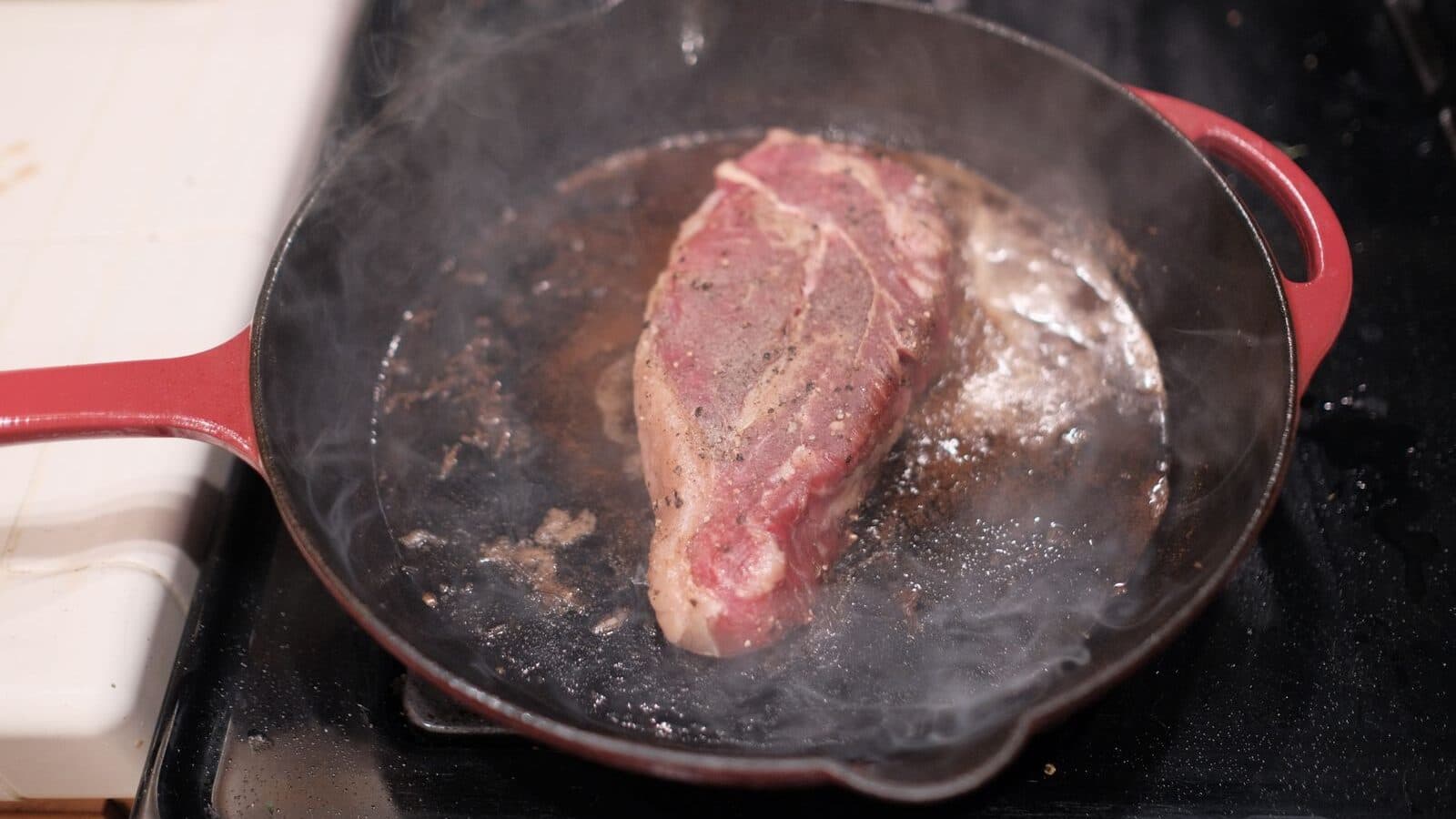
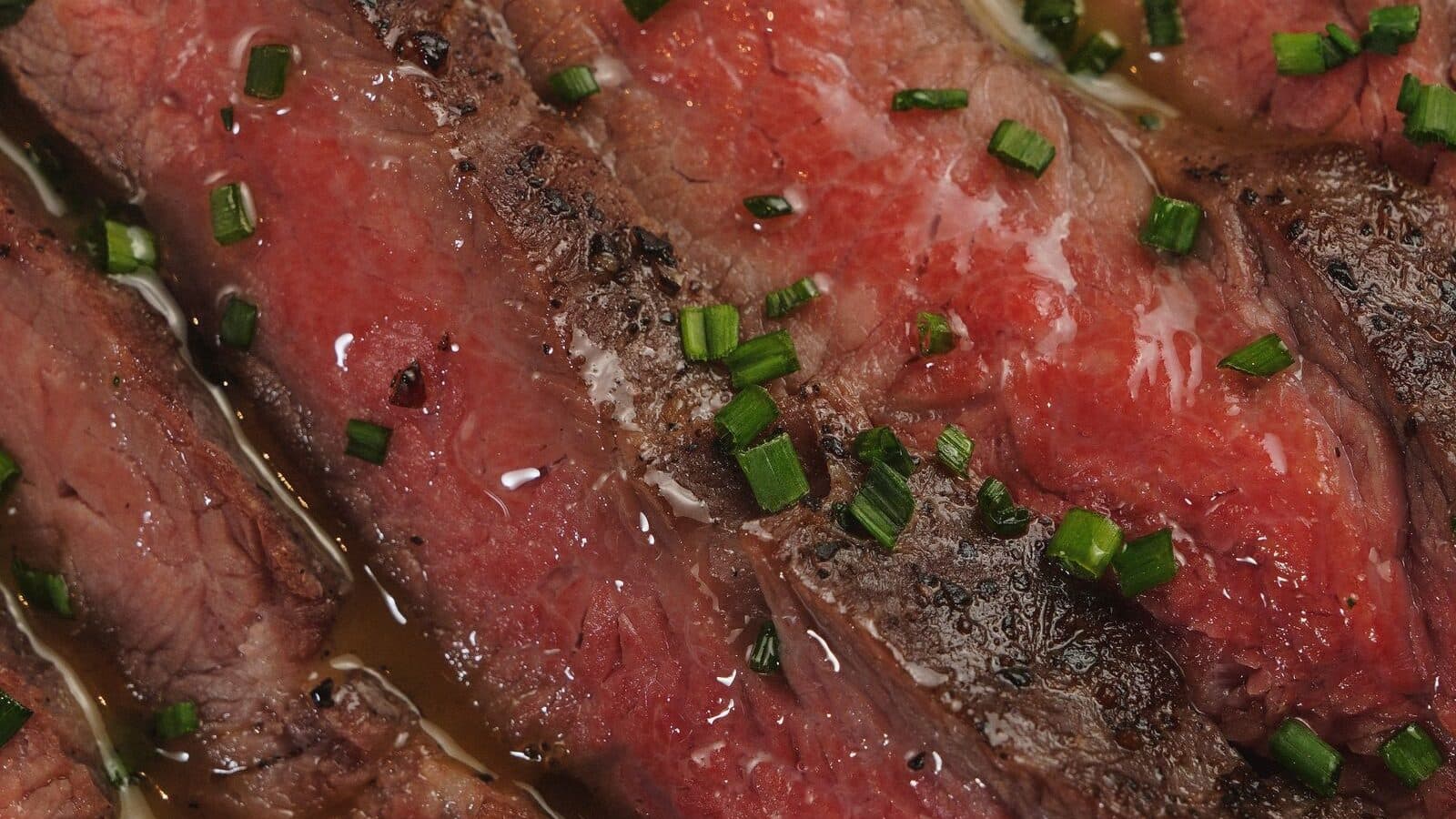
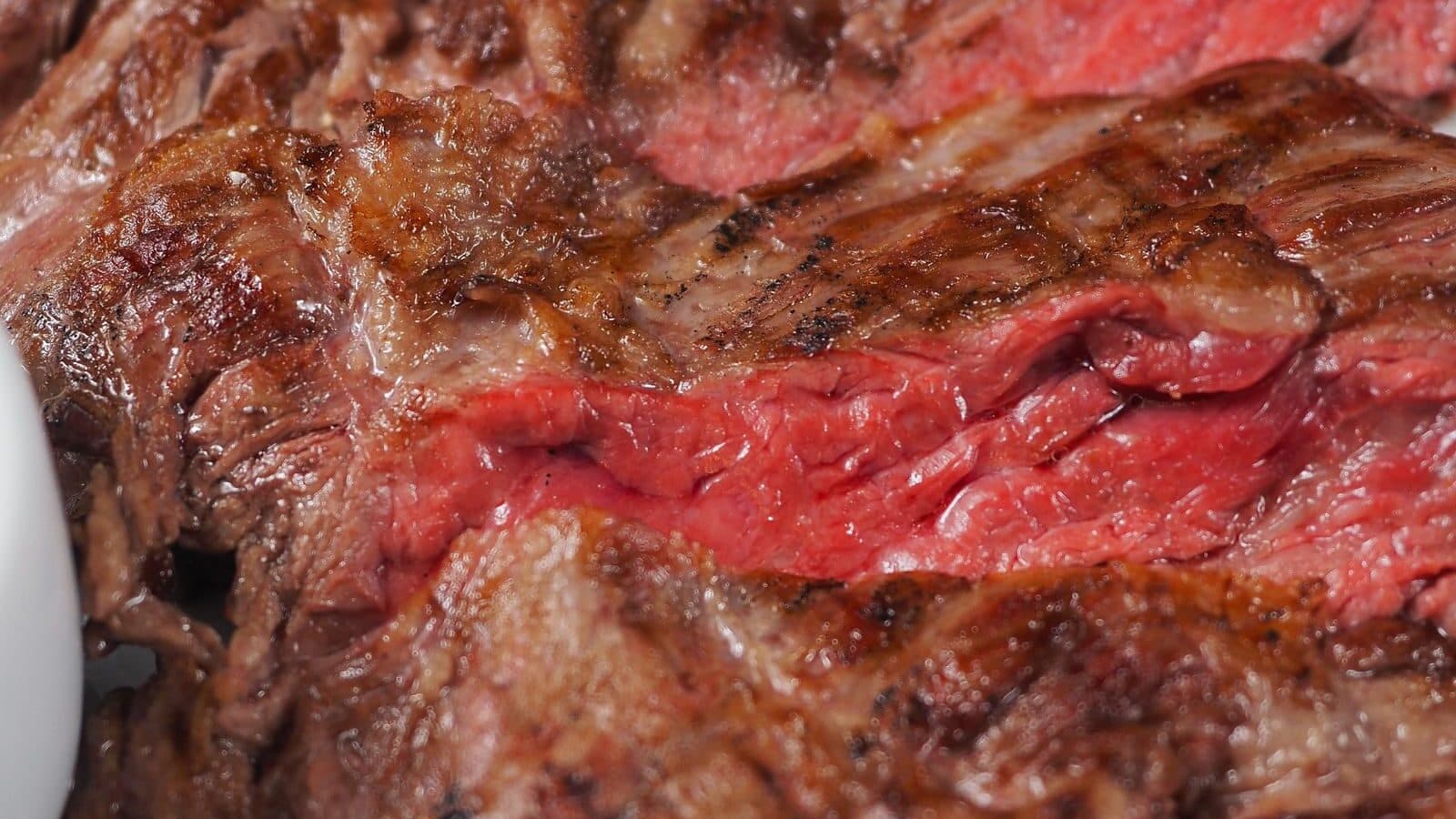
Sous vide (“under vacuum”) means sealing food in a bag and cooking it in a water bath held at a precise temperature by an immersion circulator, which heats and gently moves the water so every spot stays at the same target. Because the food can’t get hotter than the water, it comes out evenly done edge to edge and is very hard to overcook. Set a circulator like the Anova Precision Cooker to 131°F and your steak reaches 131°F throughout — no more, no less. The catch: water can’t brown anything, so most proteins get a quick, hot sear afterward in a pan, with a torch, or on the grill. If you’re new to the method, our sous vide walkthrough covers bagging, timing, and searing.
A slow cooker works differently. It simmers food sitting in liquid inside a stoneware crock at roughly 200–300°F for hours. A classic set-and-forget machine like the Crock-Pot 7-Quart handles the whole job in one vessel: you add ingredients, choose High, Low, or Warm, and walk away. It’s wonderfully hands-off and great at turning tough, collagen-rich cuts into tender, spoonable results — but it is not precise. There’s no dialing in an exact internal temperature, and there’s no crisp exterior. For technique, see our guide to using a slow cooker.
Head-to-head: which wins each job
| Job or factor | Sous vide | Slow cooker |
|---|---|---|
| Precise doneness (steak, eggs, fish) | Excellent — exact target temp | Poor — no temperature precision |
| Tough braises, stews, pulled pork | Good (long cook) | Excellent — the classic use |
| Brothy soups, chili, beans | Not suited | Excellent — cooks in liquid |
| Hands-off convenience | Good (needs setup + sear) | Excellent — load and leave |
| Browning / crust | Needs a separate sear step | Not really possible |
| Gear + bags required | Circulator, vessel, bags | Just the cooker |
| Temperature control | Precise, to the degree | Low / High only |
| Batch capacity | Limited by vessel size | Large (6–8 qt common) |
| Learning curve | Slightly higher | Nearly foolproof |
| Price of entry | Moderate | Low |
The short version: sous vide wins anything where exactly how done it is matters, and a slow cooker wins anything you want to simmer in liquid and forget about.
Who should reach for which
Choose sous vide if you care about restaurant-consistent proteins: an exact medium-rare steak every time, silky salmon, custardy eggs, or chicken breast that never dries out. It’s also a meal-prep workhorse — you can cook now and finish later, and the forgiving timing means dinner won’t be ruined if you’re running late. Start with our roundup of the best sous vide machines, and if you’re weighing the cost, is sous vide worth it? lays out the honest case.
Choose a slow cooker if you want big, comforting batches with minimal fuss: chili, bean pots, pulled pork, chicken soup, or a Sunday braise that fills the house with smell while you’re out. Nothing beats the “throw it in before work, dinner’s ready by evening” rhythm. Our picks live in the best slow cookers guide.
Here’s a useful truth: of any two “slow” cooking methods, these two overlap the least. That’s why plenty of serious cooks own both rather than picking a side. If you’re also comparing with a faster route, a pressure cooker is the third piece of the puzzle — same tough cuts, a fraction of the time.
Can one replace the other?
Not really, and it helps to be honest about that. A sous vide setup will tenderize a chuck roast beautifully, but it won’t give you a brothy, stewed pot of vegetables and sauce — there’s no simmering liquid, and everything stays sealed in its bag. Meanwhile, a slow cooker will never hand you a precise medium-rare steak or a poached egg with a set-but-runny yolk, because it simply can’t hold a low, exact temperature. They solve different problems, and trying to force one to do the other’s job is where people get frustrated.
A quick word on food safety
Both methods work at lower temperatures than a roaring oven, so time matters as much as temperature. With sous vide especially, safety comes from holding food at the target temperature long enough — lower temperatures require longer holds to pasteurize. Don’t guess: follow an established time-and-temperature chart for the specific food and thickness. Medium-rare steak is often cooked around 129–134°F as a common reference point, but use a trusted chart for exact safe times rather than eyeballing it. A good instant-read thermometer is a smart backup for verifying either method.
The bottom line
Buy a sous vide circulator for precision — exact-doneness proteins, meal prep, and dishes where a few degrees change everything. Buy a slow cooker for convenience braising — hands-off stews, soups, chili, and pulled pork in one big pot. If your cooking spans both, owning both is the honest answer, because each does something the other structurally can’t.
Cookloom uses affiliate links; if you buy through them we may earn a commission, at no extra cost to you. It never changes which tools we recommend.
Sources
- Manufacturer specifications and product documentation (Anova, Crock-Pot) for feature and temperature-control details
- Serious Eats sous vide guides (J. Kenji López-Alt) on water-bath technique, doneness, and searing
- USDA and general food-safety guidance on time-and-temperature and pasteurization for low-temperature cooking
- Widely published sous vide time-and-temperature charts for verifying safe cook times by food and thickness
- General culinary references on braising and moist-heat cooking for slow-cooker technique