Is Sous Vide Worth It? An Honest Look
Short answer: for the right cook, yes. Sous vide delivers a kind of precision and repeatability no other home method matches, and entry-level circulators are cheap enough now that the barrier is low. But it isn’t magic, it adds steps, and plenty of people buy one, use it twice, and shelve it. Here’s the honest case for and against, so you can tell which group you’d be in.
First, what sous vide actually does
Sous vide (“under vacuum”) means sealing food in a bag and cooking it in a water bath held at an exact temperature by an immersion circulator. Because the water never gets hotter than your target, the food can’t cook past that point. A steak set to a medium-rare temperature comes out medium-rare, and it stays that way whether you pull it at the one-hour mark or the two-hour mark.
That single property — the food can’t overshoot — is the whole reason sous vide exists, and it’s the lens for everything below. If you’ve never done it, our step-by-step guide to how sous vide works walks through the actual process.
What sous vide genuinely does better
These are the wins that hold up, not marketing.
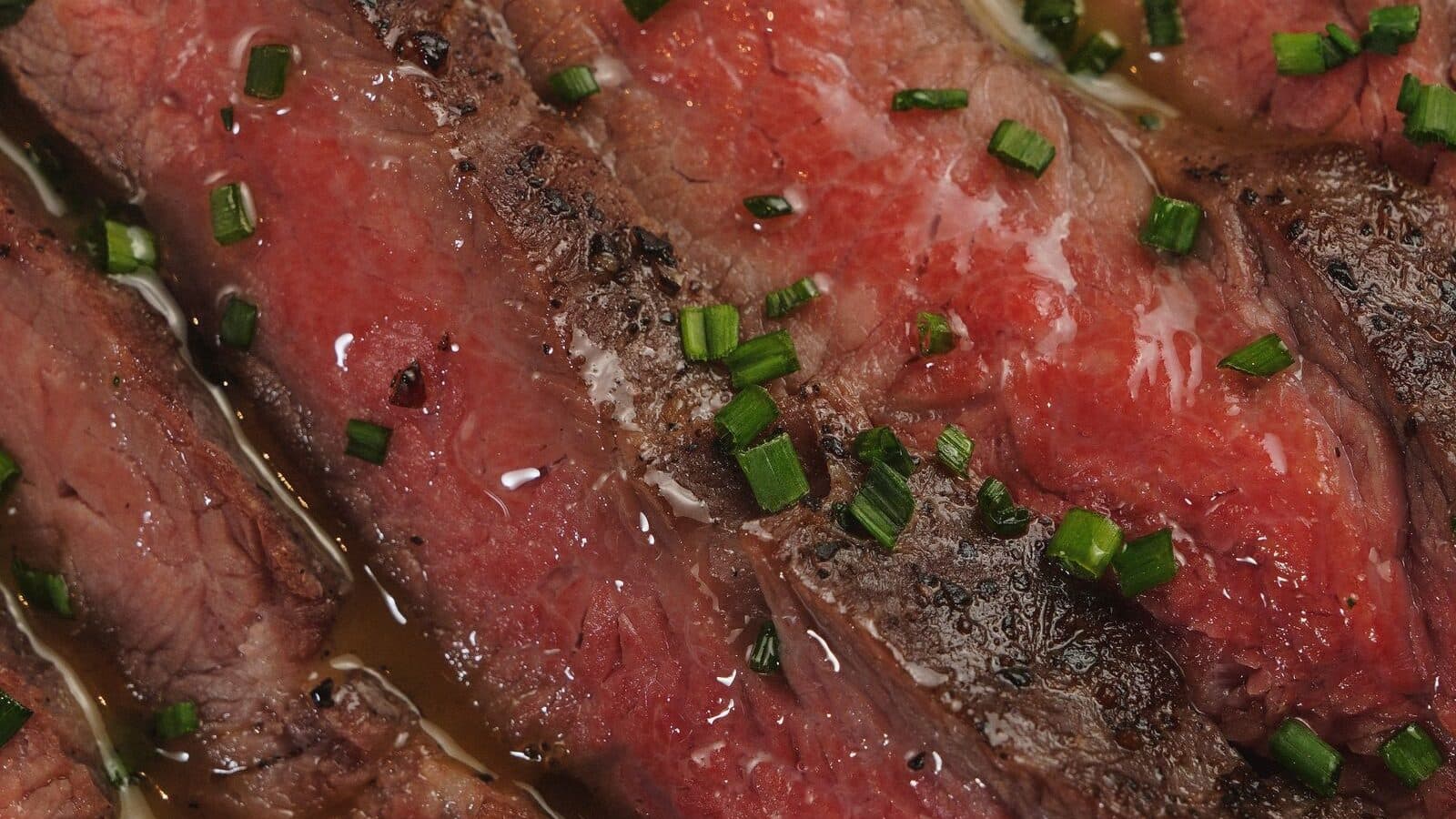
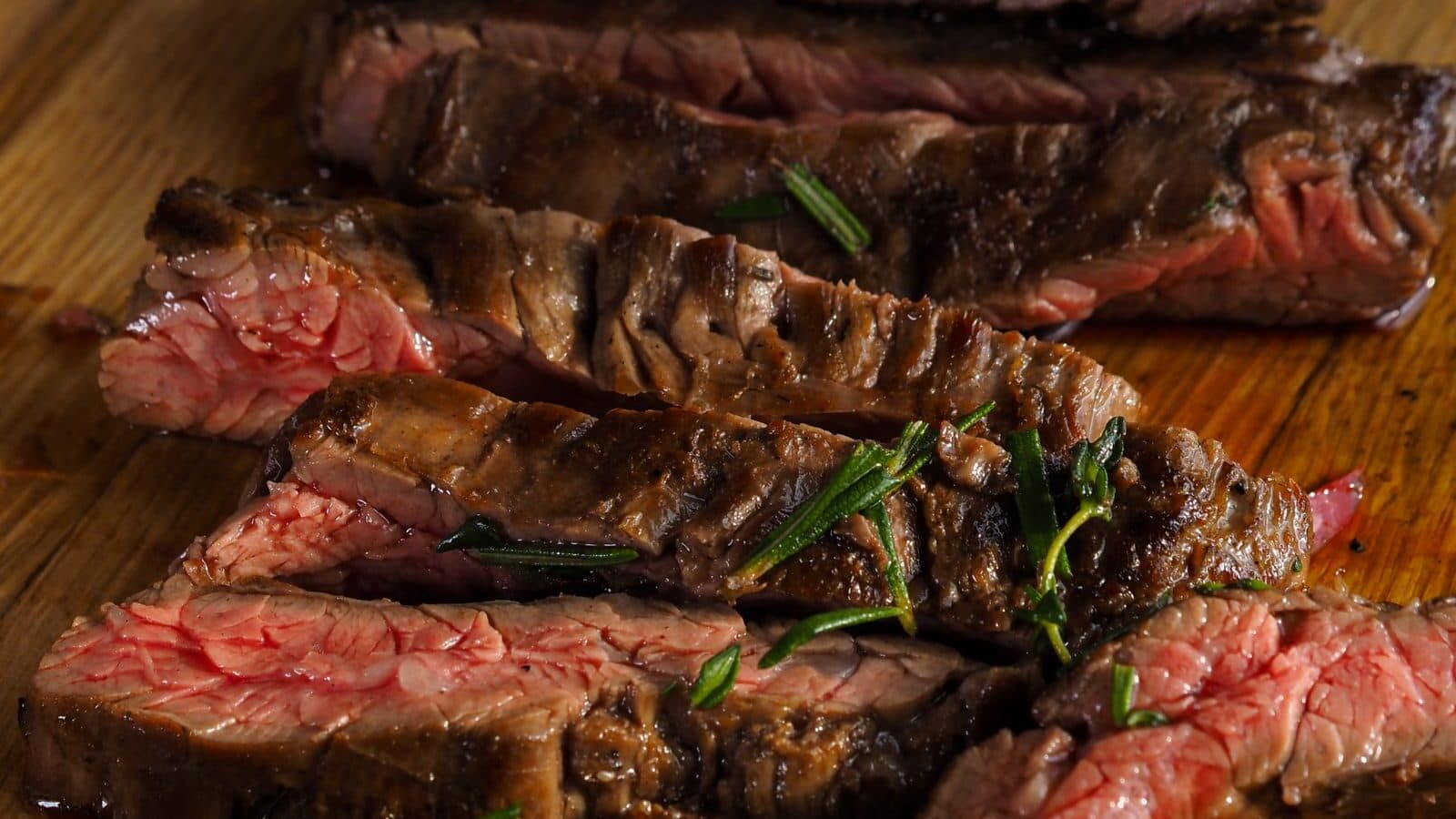
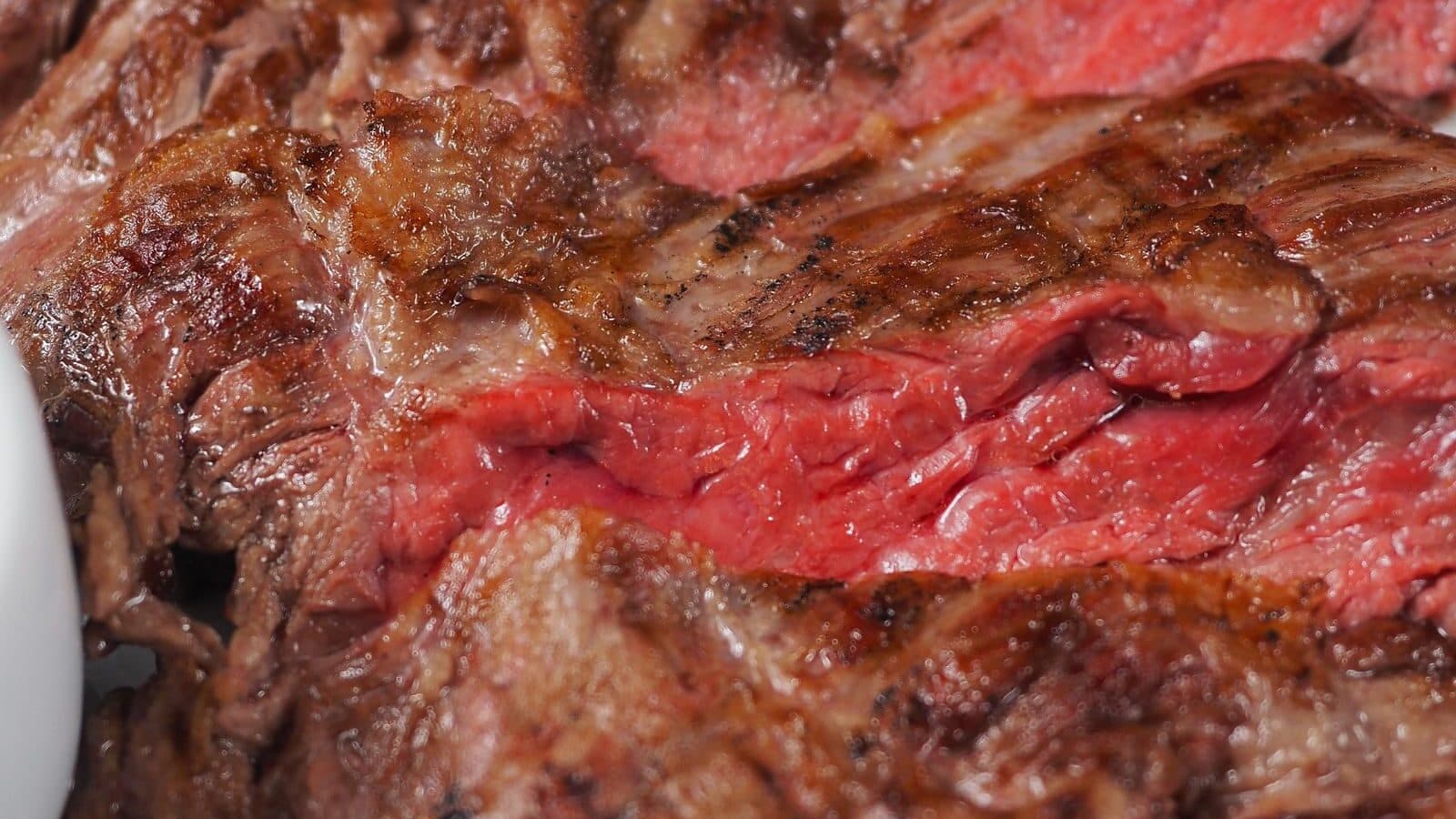
- Edge-to-edge doneness. A conventionally seared steak has a gray band under the crust that fades to pink in the middle. A sous vide steak is the same rosy medium-rare from one edge to the other, with a thin seared crust on top. For thick cuts especially, nothing else gets this even.
- Nearly impossible to overcook. Since the water is the ceiling, walking away doesn’t ruin dinner. This is the difference between “watch the pan every 30 seconds” and “come back when you’re ready.”
- Forgiving, flexible timing. Dinner waits for you, not the other way around. A cook that’s ready at 6:00 is usually still perfect at 6:45, which is a genuine relief when you’re entertaining or juggling other dishes.
- Tenderizing tough cuts. Long, low cooks break down connective tissue in short ribs, chuck, or pork shoulder while keeping them at a lower doneness than braising would — think a tender, sliceable short rib that’s still pink.
- Repeatability. Once you find the temperature you like, you get that exact result every single time. No guessing, no “was that four minutes or five.”
- Gentle with delicate foods. Eggs, fish, and custards are notoriously easy to overcook by seconds on the stove. A precise bath makes them consistent and calm.
The honest downsides
Now the part the product pages skip.
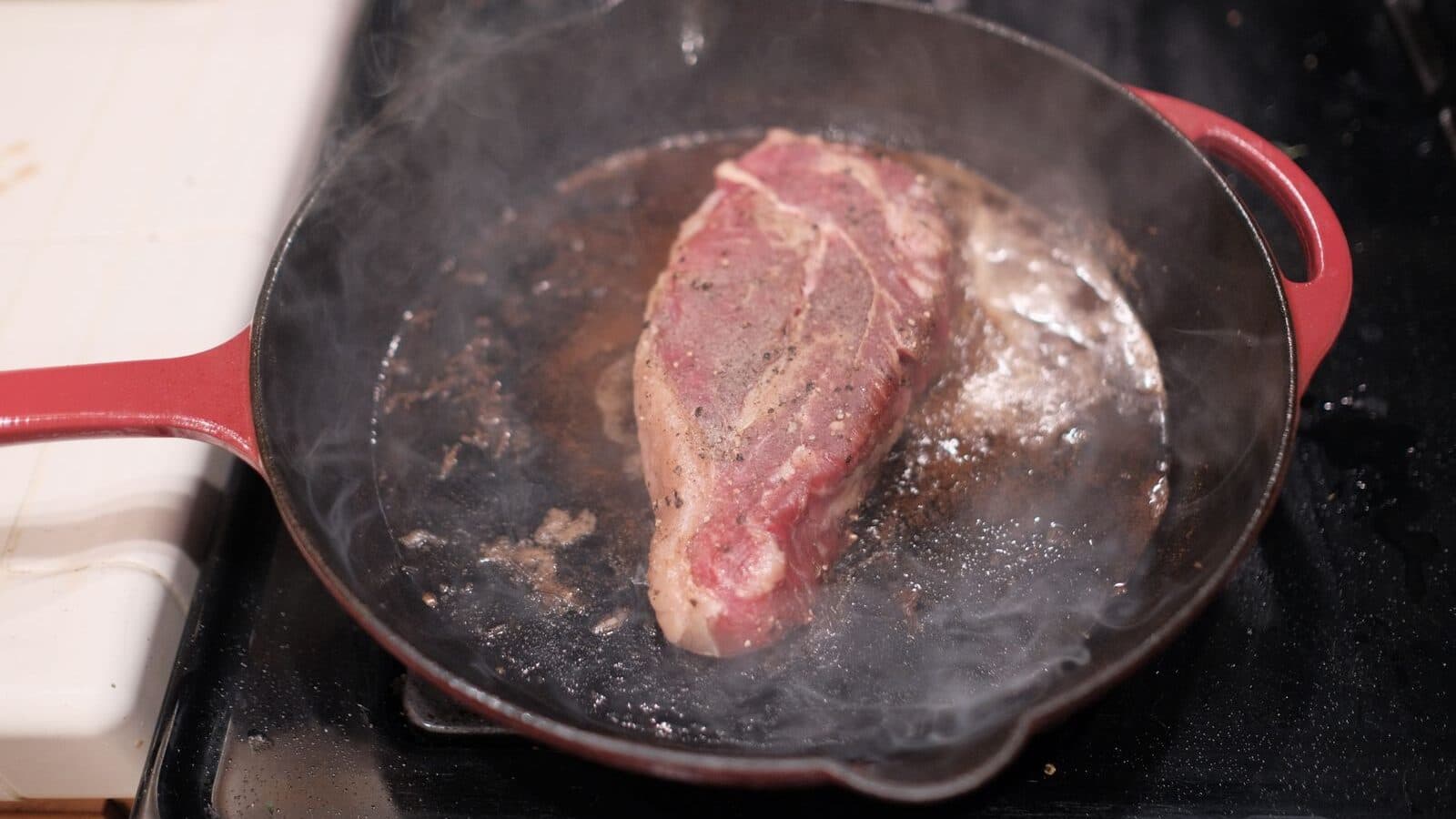
It doesn’t brown. Water tops out at 212°F, and browning needs far higher heat. So for most meats you still sear afterward — a quick, screaming-hot pass in a cast-iron pan, with a torch, or on the grill. Sous vide doesn’t remove the searing step; it just moves it to the end. Budget the extra pan and the cleanup.
Cooks are long, and you plan ahead. A steak might be an hour-plus; tough cuts can run many hours or overnight. This is a method for people who think about dinner before they’re hungry, not one for 6:30 p.m. “what’s in the fridge” improvisation.
There’s gear and space. You need bags (a vacuum sealer for the best long-cook seals, or zip-top bags via water displacement for casual use), a pot or container deep enough to submerge food, and counter space while it runs. None of it is expensive, but it’s more than “a pan.”
A small learning curve. You’ll want a trusted time-and-temperature chart rather than guessing, especially because food safety depends on both temperature and time — lower temperatures need longer holds to pasteurize. That’s easy to follow, but it’s a habit to build.
It won’t fix a bad ingredient. Precision makes a good steak great and a cheap tough cut tender. It doesn’t turn a flavorless piece of meat into a good one.
Who it’s for — and who it isn’t
Sous vide is worth it if you:
- Cook proteins often and care about getting them right
- Entertain and want to hold food at temperature without babysitting
- Batch-cook or meal-prep and value identical results week to week
- Want restaurant-consistent steaks, or love eggs, fish, and custards done gently
It’s probably not worth it if you:
- Mostly cook fast weeknight stir-fries and sheet-pan dinners
- Rarely cook meat
- Genuinely hate extra dishes and gear on the counter
There’s no wrong answer here. Matching the tool to how you actually cook is the entire point. If you’re torn between this and a set-and-forget alternative, our sous vide vs. slow cooker comparison lays out the trade-offs.
The cost of entry is genuinely low now
The biggest change in the last few years is price. You no longer need a lab budget to try this.
A compact circulator plus a pot you already own is a complete starter setup. The Anova Precision Cooker Nano is a good example: an 850-watt unit with a two-line touchscreen and Wi-Fi that stows in a drawer, priced to be an easy first step. If you’d rather have the machine guide you, the Breville Joule Turbo runs entirely from an app, with a Turbo mode that cooks proteins in roughly half the time and an Autopilot feature that cooks to a chosen visual doneness — useful hand-holding while you learn. Neither Wi-Fi nor an app changes cooking quality; they’re about convenience.
If budget is the deciding factor, we round up the cheapest solid options in our best budget sous vide machines guide — plenty of them cook just as accurately as pricier units.
One pairing worth mentioning: sous vide loves a good thermometer. A fast instant-read or leave-in probe thermometer helps you verify your sear and spot-check results, and it’s the tool you’ll reach for across every other cooking method too. It’s a small buy that makes the whole precision-cooking approach click.
The verdict
Sous vide is worth it when its one superpower — holding food at an exact temperature so it can’t overcook — solves a problem you actually have. If you cook meat often, entertain, or want the same great steak every time, it earns its counter space quickly, and it’s cheaper to start than ever. If your kitchen runs on fast, improvised weeknight meals, the extra bags, planning, and searing step will outweigh the payoff. Be honest about how you cook, and the answer usually picks itself.
Sources
- Manufacturer specifications and feature documentation (Anova, Breville).
- Serious Eats sous vide guides and technique writing (J. Kenji López-Alt).
- USDA and general food-safety guidance on time-and-temperature cooking and pasteurization.
- America’s Test Kitchen / Cook’s Illustrated coverage of sous vide methods and results.
- Editorial and enthusiast consensus from established kitchen-gear reviewers on immersion circulators.