The Best Budget Sous Vide Machines of 2026
Here is the good news for anyone eyeing sous vide on a budget: the physics is identical at every price. An immersion circulator holds a bath of water at a precise, steady temperature, your food cooks to that exact number and stops, and it comes out evenly done edge to edge. A $90 circulator does that job as faithfully as a $250 one. What you pay extra for is speed, polish, and support — not a better steak. Below are the three budget circulators we would steer a friend toward in 2026, and an honest account of where the savings actually come from.
Our picks synthesize manufacturer specifications, documented features, and each model’s broad reputation with general sous vide expertise. Cookloom has not lab-tested these specific machines. As always, some links here are affiliate links, and we disclose that up front.
What you actually give up on a budget
Spending less on a circulator does not mean sacrificing temperature accuracy on the food — that is the part every decent unit nails. What you trade away is elsewhere:
- Heater wattage. Budget models often run a little lower on power, so they take longer to bring a bath up to temperature and top out at a smaller maximum volume. Once the water is hot, holding it steady is easy for any of them.
- App and ecosystem polish. Premium brands invest in slick apps, big guided-recipe libraries, and tight phone integration. Budget apps work; they are just less refined.
- Brand support and resale. Longer warranties, established customer service, and stronger resale value tend to come with the pricier names.
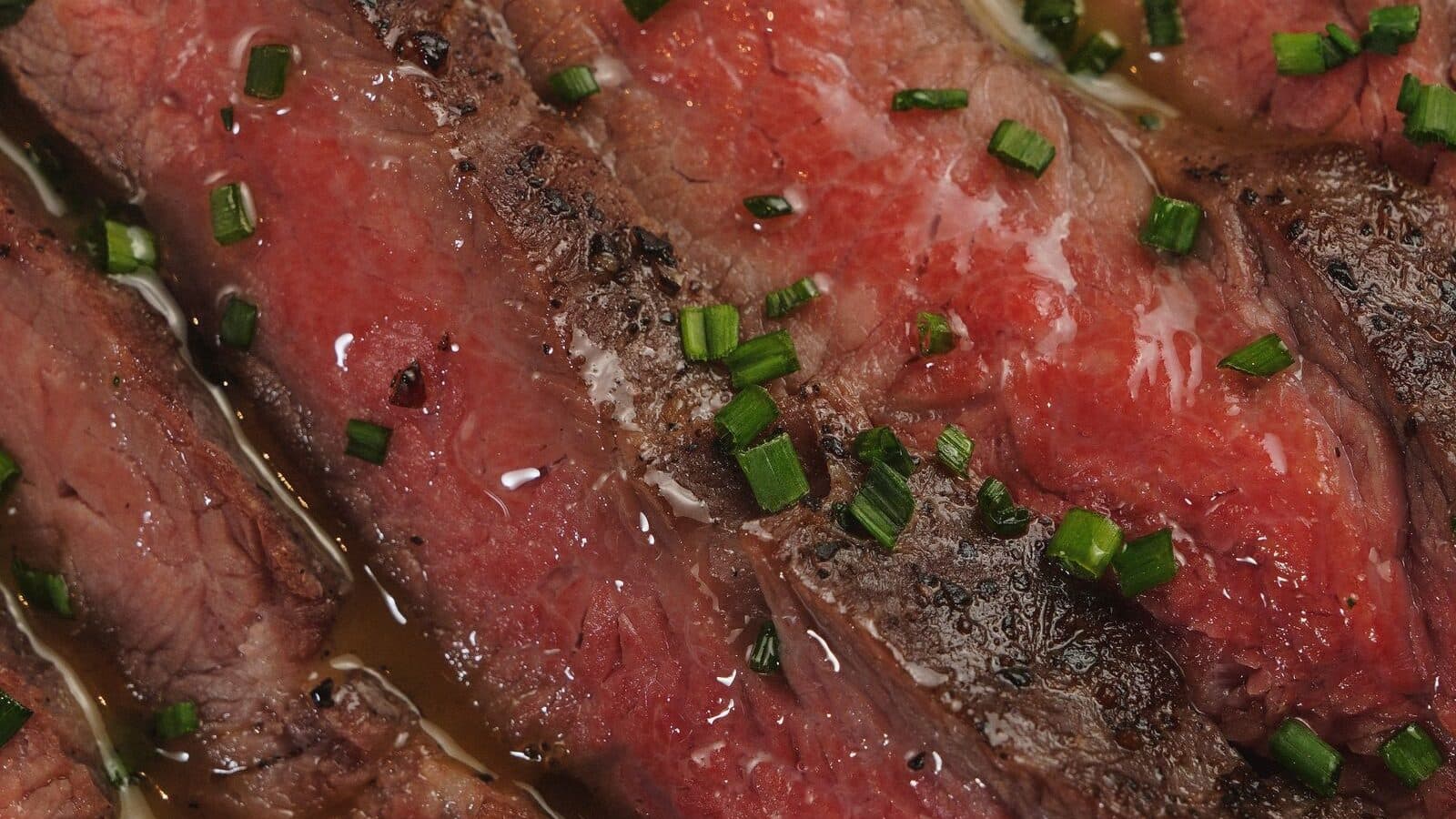
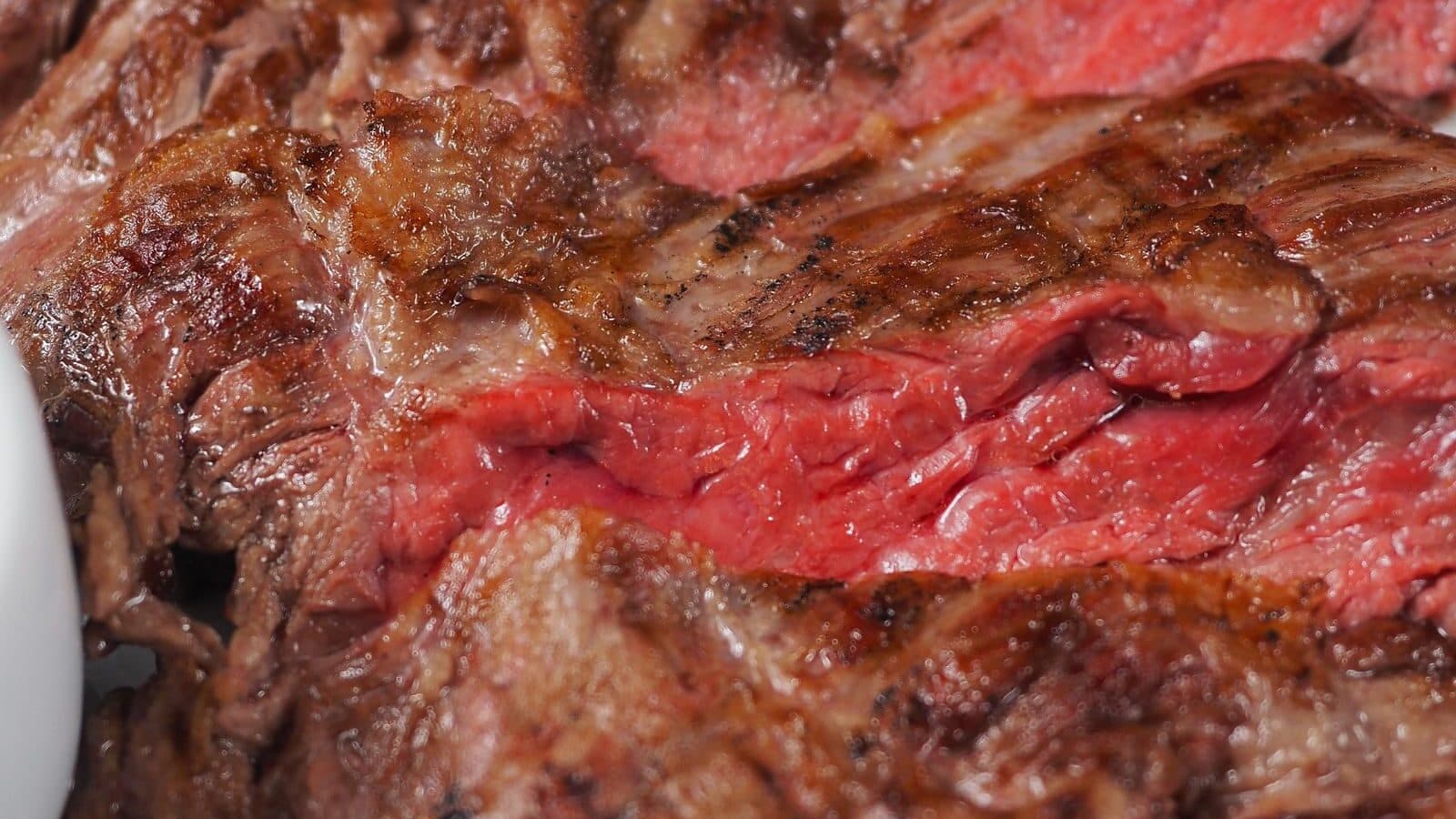
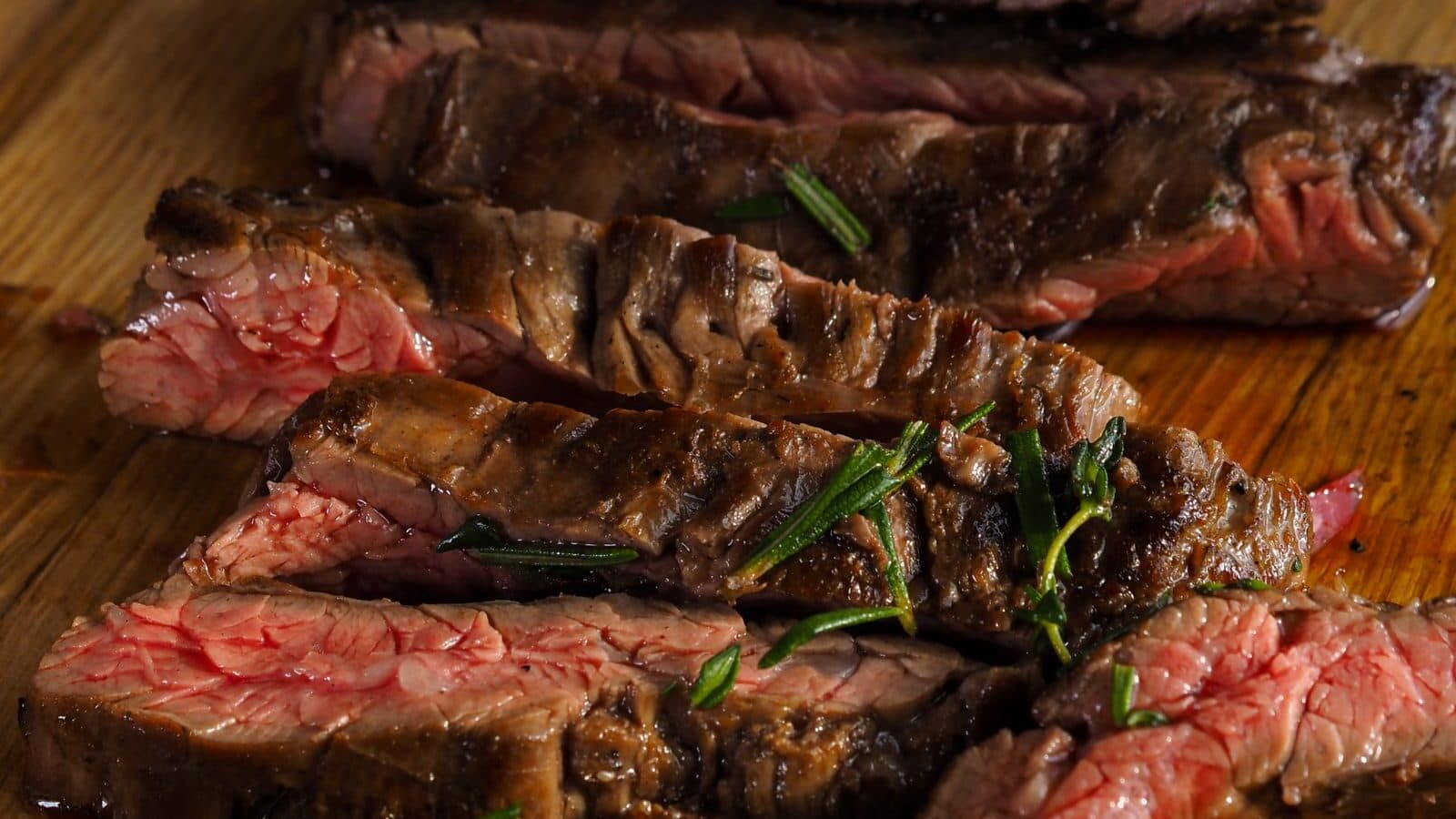
None of that changes the core result. If you can hold 130°F for two hours, you can cook a perfect medium-rare steak whether the tool cost $80 or $280. Not sure sous vide belongs in your kitchen at all? Our guide on whether sous vide is worth it walks through the honest trade-offs before you spend a cent.
Inkbird ISV-100W
Best budget overall.
The Inkbird ISV-100W is the one that makes the “you don’t need to spend more” case almost by itself. It pairs a 1,000W heater with ±0.1°C rated accuracy — genuinely premium-grade specs — at a budget price. That wattage means it heats a bath at a respectable clip and handles a normal home-cook volume without complaint, so you are not stuck waiting or capped to a tiny pot.
It also does not skimp on features. You get an LCD touchscreen for setting temperature and time directly on the unit, plus a Wi-Fi app with 14 built-in presets if you want to start or monitor a cook from your phone. Its 3D water circulation keeps the bath moving so temperature stays uniform around every bag, and the timer runs all the way to 99 hours for the longest tough-cut cooks. There is even user calibration if you want to fine-tune it against a trusted thermometer.
The honest summary: on paper the ISV-100W gives up very little to machines costing far more. It is the budget pick we would reach for first, and the clearest proof that precise, repeatable results are not a premium feature.
Instant Accu Slim (SSV800)
Best no-app budget.
If the idea of connecting a cooker to your Wi-Fi and pairing an app makes you tired, the Instant Accu Slim is for you. It is an 800W circulator with a straightforward on-device touchscreen and a color status light, and — deliberately — no Wi-Fi or app at all. You set your temperature and time on the unit, drop it in, and walk away. It comes from Instant, the brand behind the Instant Pot, so there is a real company standing behind it.
The Accu Slim covers the full useful range, from a one-minute nudge up to 72-hour braises, and 68–203°F spans everything from delicate fish and eggs to tough short ribs. Uniform circulation keeps the bath even, the one-hand clamp makes attaching it to a pot painless, and the whole thing is waterproof so splashes are a non-issue.
The 800W heater is the trade-off: it heats a touch slower than the 1,000W-plus models and is happiest with sensibly sized baths rather than huge ones. For most people cooking dinner for a family, that is a non-event. If you want the simplest possible on-ramp to sous vide with no phone in the loop, this is it.
Anova Precision Cooker Nano 3.0
Best value step-up.
Sometimes it is worth spending a little more to buy into a polished ecosystem, and the Anova Precision Cooker Nano is how you do that without leaving the budget tier. It is compact — roughly 12.8 inches and small enough to stow in a drawer — yet it brings dual-band Wi-Fi and the well-regarded Anova app, with its large guided-recipe library, plus a two-line touchscreen for setting cooks directly on the device.
Specs are dialed in for everyday cooking: an 850W heater, 8 L/min of flow to keep the bath circulating evenly, and ±0.2°F rated accuracy. That is a bit less power than our top budget pick, so it favors normal home-sized baths over oversized tubs, but for weeknight steaks, chicken, eggs, and vegetables it has all the muscle you need.
Choose the Nano if the Anova app and ecosystem appeal to you — the recipe guidance and remote control are genuinely convenient — and you like the reassurance of a widely used, established brand. It is the natural bridge between rock-bottom budget and the flagship best sous vide machines.
The bottom line
Precise temperature is the entire game, and all three of these deliver it. Pick the Inkbird for premium-grade specs at the lowest cost, the Instant Accu Slim if you want zero app fuss, or the Anova Nano if you value a polished ecosystem and brand support. Spend up beyond these only for more wattage, a nicer app, or stronger warranty and resale — not for a better result on the plate.
Whichever you choose, budget for the rest of the setup too: you still need a vessel to hold the water and a way to seal your food. Our sous vide accessories guide covers containers, lids, racks, and sealers, and how to sous vide walks you through your first cook step by step. One food-safety note worth repeating: temperature and time both matter. Lower target temperatures require longer holds to be safe, so follow an established time-and-temperature chart rather than guessing — a medium-rare steak around 129–134°F is a common reference point, but always check a trusted chart for exact safe times.
Sources
- Manufacturer specifications and product documentation (Inkbird, Instant / Instant Brands, Anova) for wattage, rated accuracy, connectivity, and temperature and timer ranges.
- Serious Eats sous vide guides and time-and-temperature references (J. Kenji López-Alt) for doneness targets and technique.
- USDA and general food-safety guidance on time-and-temperature cooking and pasteurization for safe holding times at lower temperatures.
- ChefSteps and enthusiast community consensus on immersion-circulator features, app ecosystems, and everyday performance.