The Best Budget Coffee Grinders of 2026
Cookloom is reader-supported. If you buy through links on this page we may earn a commission, at no extra cost to you. We recommend gear on the merits — see our editorial policy.
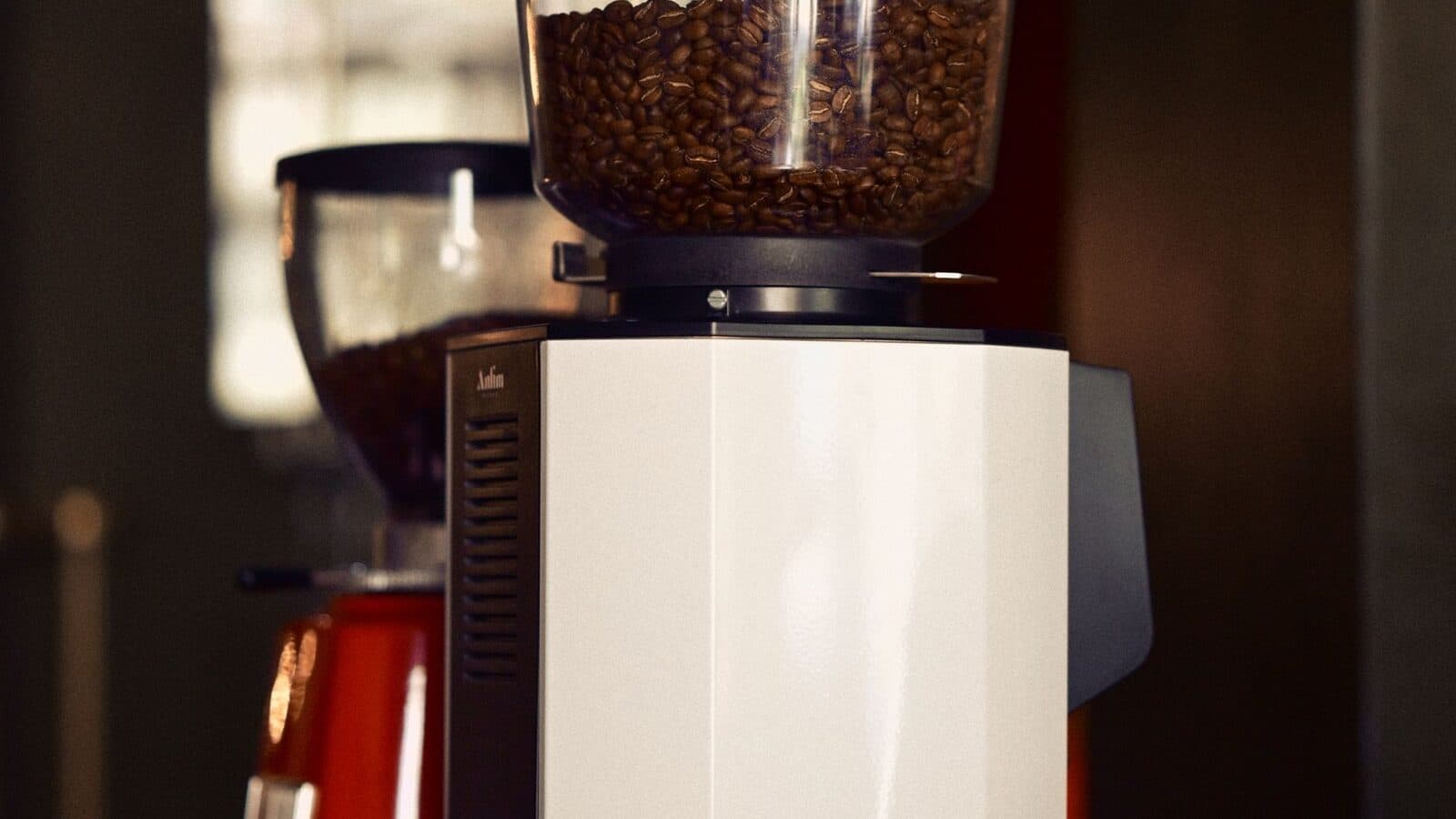
Here’s the good news about grinding coffee on a budget: burrs crushing beans to a consistent size don’t get meaningfully worse until you’re spending very little indeed. What drops with the price is convenience and range, not the basic ability to make good coffee. What you should never drop is burrs, period — a blade grinder chops beans unevenly into a mix of dust and boulders, and no careful brewing rescues the extraction that follows. For the full field, including premium models, see our best coffee grinders guide; this page narrows in on what’s worth buying without overspending.
How we picked
Cookloom hasn’t run every one of these grinders through a formal lab protocol, and we won’t pretend otherwise. These picks synthesize manufacturer specifications, documented design, and each model’s long-standing reputation among baristas and reviewers, filtered through general coffee-gear expertise. Where we cite a spec — burr size, settings, capacity — it comes from the maker. Where we describe performance, we’re relaying broad consensus, not a stopwatch reading we invented. No fabricated numbers, no invented rankings.
How to choose a budget coffee grinder
Burrs, non-negotiable. A burr grinder crushes beans between two fixed surfaces to a repeatable size; a blade grinder just chops until you release the button. Even the cheapest grinder here beats any blade grinder at any price.
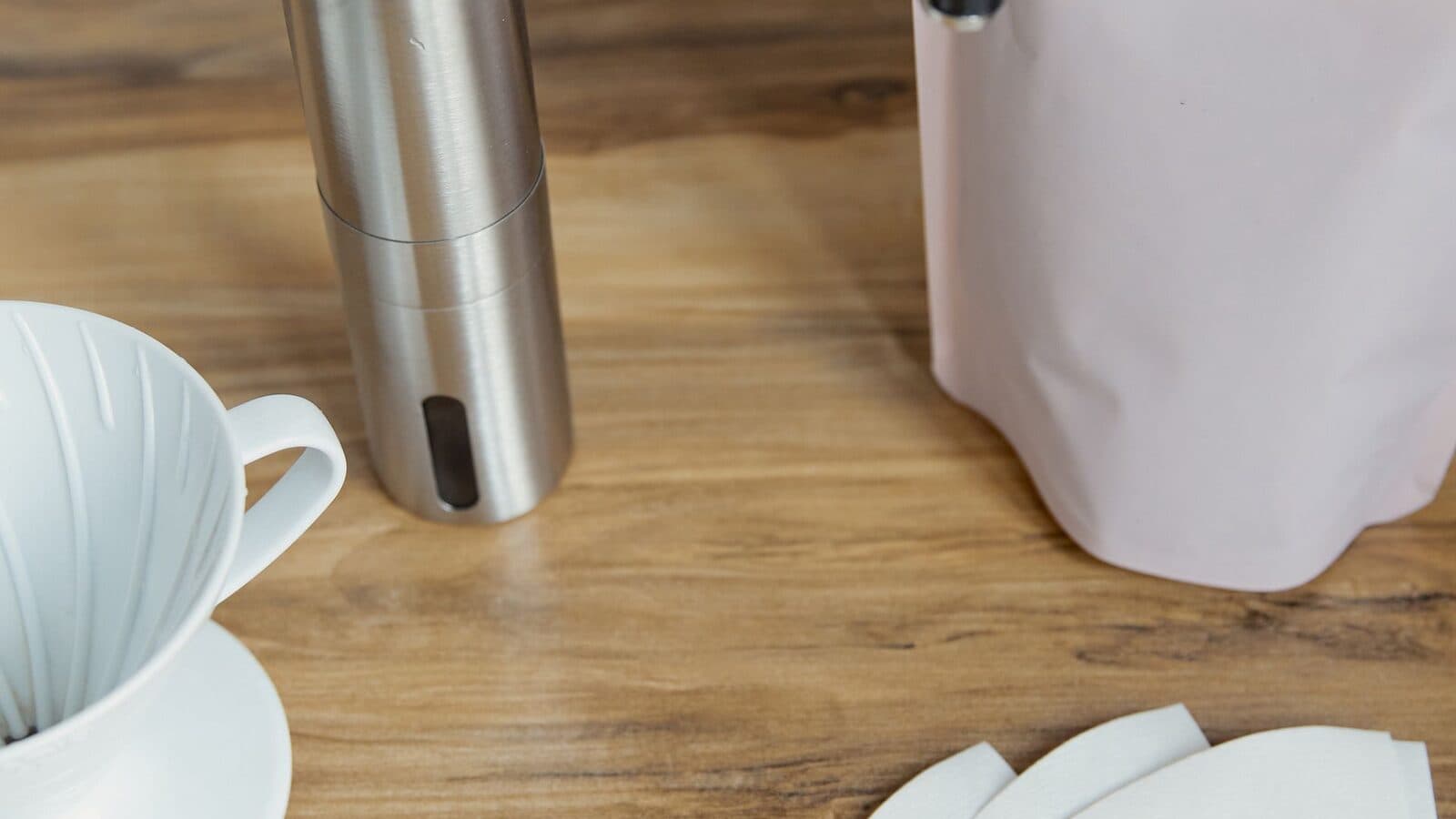
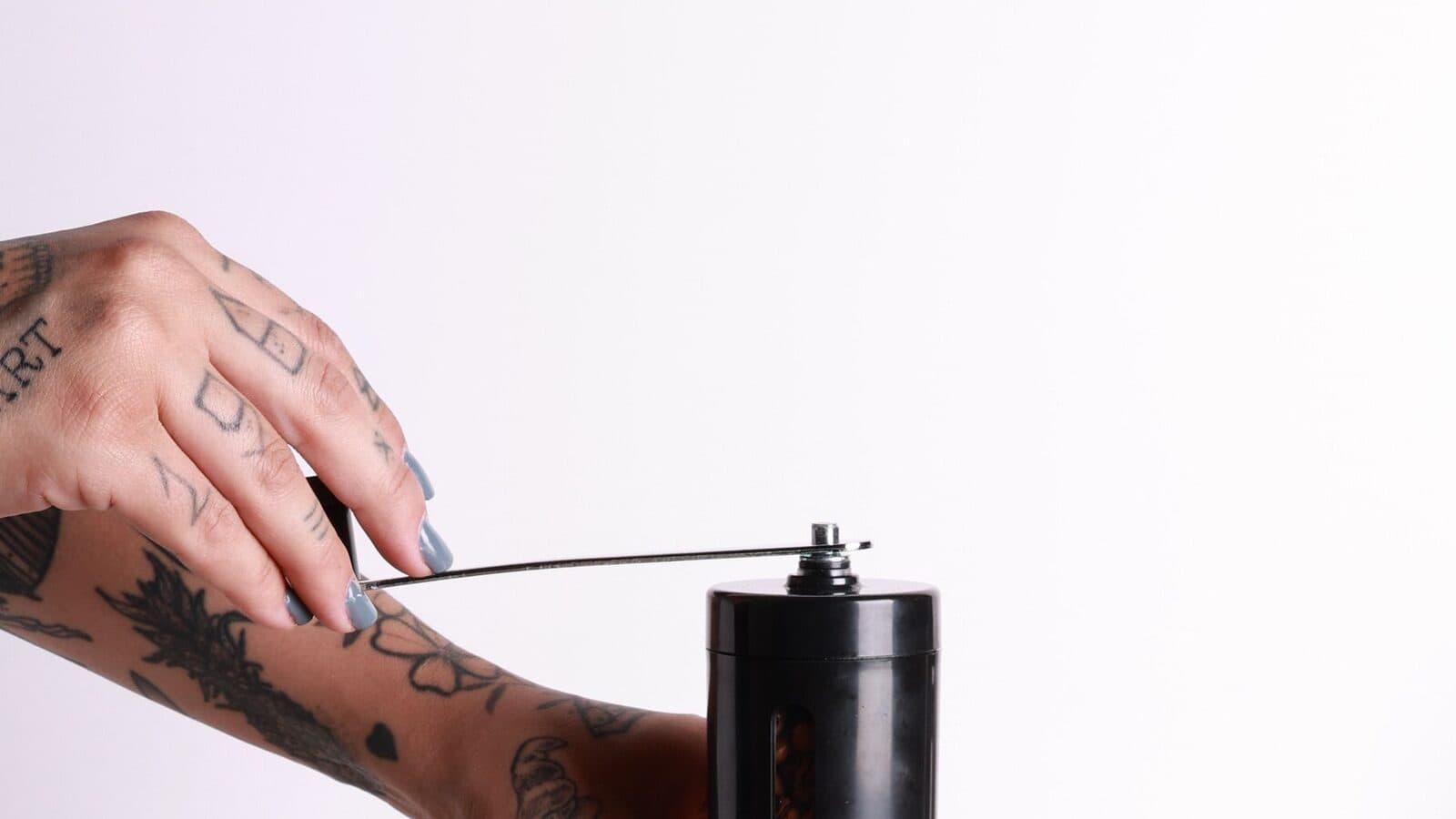
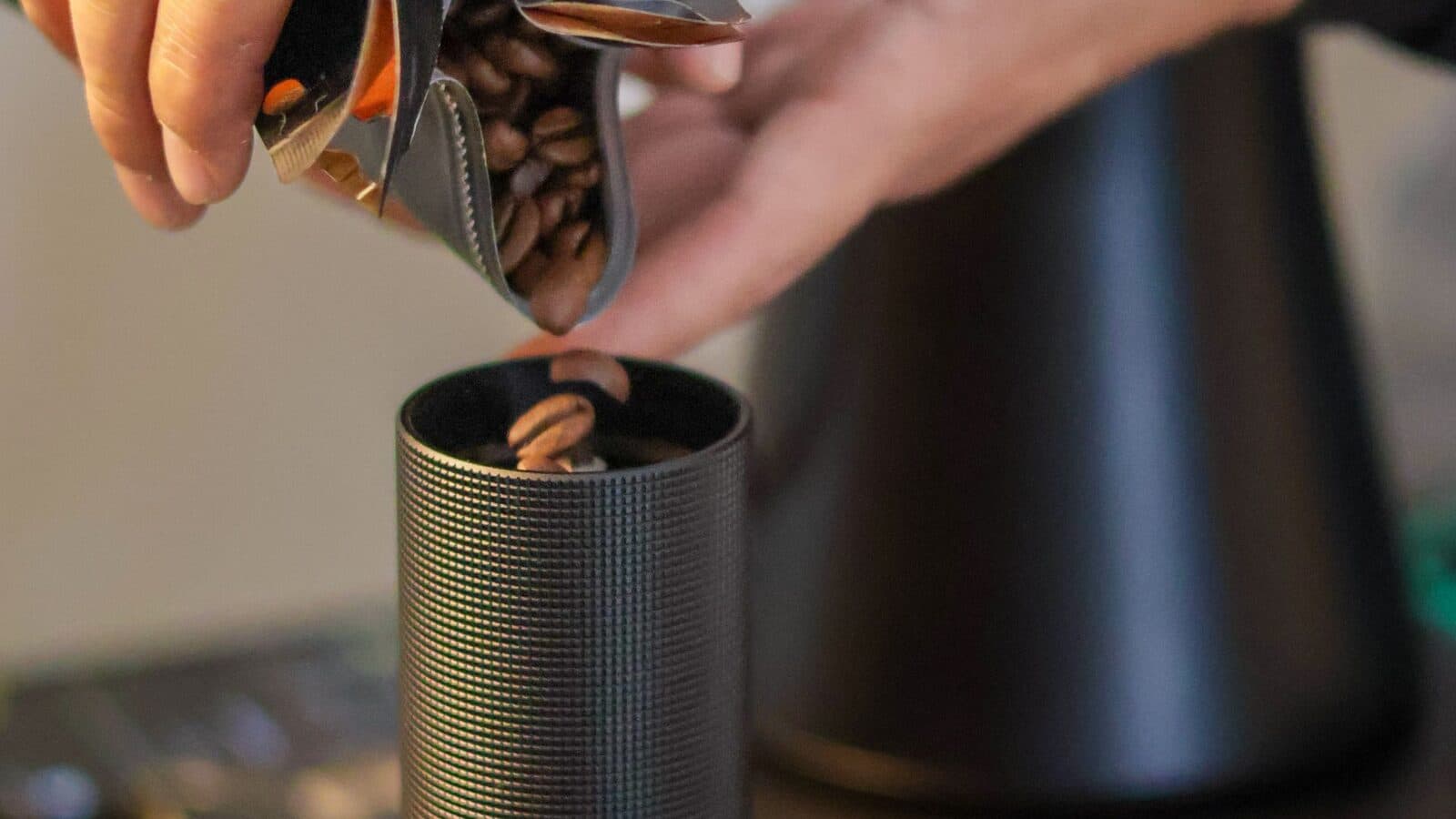
Manual gives you more grind for the money. A hand grinder puts nearly its whole budget into the burr set, with no motor to pay for — why an inexpensive manual can rival pricier electrics on grind quality. Our best manual hand grinders guide covers the range beyond the two picks here.
Electric buys convenience, not necessarily better coffee. Part of a budget electric’s price goes to the motor rather than the burrs, so you often get a slightly less refined burr set than a comparable manual. What you get instead is speed and zero elbow grease.
Know what you’re giving up at the bottom. Cheaper grinders generally mean fewer settings, more static and grounds retention, and a coarser ceiling that can’t reach espresso fineness — but none of that stops a good drip, pour-over, or French press cup.
Match the grinder to how you brew. A drip coffee maker or French press is fully covered by a mid-to-coarse budget burr grinder. Want espresso too? Be honest upfront — most budget grinders can’t get fine and consistent enough, and our best coffee grinders for espresso guide covers that territory properly.
The picks at a glance
| Pick | Best for | Type | Espresso-capable? | Price tier |
|---|---|---|---|---|
| Baratza Encore | Budget electric overall | Electric, 40mm conical | No (see Encore ESP) | $$ |
| OXO Brew Conical Burr | Cheapest electric | Electric, conical | No | $$ |
| Timemore Chestnut C3 | Budget manual | Manual, S2C conical | No | $ |
| Hario Skerton Pro | Cheapest worth buying | Manual, ceramic conical | No | $ |
| Fellow Opus | Budget grinder that also does espresso | Electric, 40mm conical, single-dose | Yes | $$ |
Baratza Encore — Best budget electric overall
The Baratza Encore has been the default first “real” grinder recommendation for years, and it earns that reputation the boring way: a 40mm conical burr set and 40 grind settings that reliably cover drip, pour-over, French press, and cold brew. It’s the grinder people buy once and rarely upgrade from, because the consistency across that filter range is genuinely good, not merely acceptable.
Part of the case for the Encore is what happens after you buy it. Baratza designs these to be opened, serviced, and repaired rather than replaced, backed by a well-regarded support and parts operation. Need fine espresso grinds too? The Encore ESP variant exists for that; the standard Encore stays a filter-focused tool, and a very good one.
OXO Brew Conical Burr — Best cheap electric
The OXO Brew Conical Burr is the easiest on-ramp into electric burr grinding at the lowest realistic price. Stainless conical burrs and 15 settings, with micro-adjustments between them, cover the medium-to-coarse range most drip and French press drinkers live in. A one-touch timer remembers your last setting, so once dialed in, mornings are a single button press.
It won’t chase fine espresso grinds and has fewer settings than the Encore, but for the price it’s a substantial, honest step up from anything with blades. The hopper is UV-blocking, which helps beans stay fresher, and the whole unit is refreshingly fuss-free to live with.
Timemore Chestnut C3 — Best budget manual
The Timemore Chestnut C3 is widely credited with making good manual grinding cheap. Its CNC-machined “S2C” conical burr rides on a double-bearing central axle that keeps the burr steady as you crank, and that stability is what produces consistency — the grinder’s whole reason for existing. For pour-over, drip, and French press, the result punches well above its price.
At roughly 25g capacity it’s built for single-cup or small-batch grinding, and it folds down small enough to travel with. If espresso is ever on your radar, Timemore sells C3 ESP variants with finer adjustment for that; the standard C3 is a filter specialist, and a very capable one.
Hario Skerton Pro — Cheapest worth buying
The Hario Skerton Pro is the true floor of “worth buying” here — an updated version of the long-running original Skerton with a stabilized burr for noticeably better consistency than its predecessor. Ceramic conical burrs shave beans rather than smashing them and stay cool doing it, landing you in medium-to-coarse territory that suits pour-over and French press well.
It holds roughly 100g in a heatproof glass catch, and the crank detaches for easy storage. Fine, even espresso grinding is beyond what it’s built for, so keep expectations aligned with filter brewing. If your budget is genuinely tight and you won’t compromise on burrs over blades, this is the grinder that gets you there.
Fellow Opus — Best budget grinder that also does espresso
The Fellow Opus is the exception to the rule that budget grinders stop at filter coffee. It pairs 40mm conical burrs with 41 settings spanning true espresso-fine through cold brew, in a single-dose workflow with a volumetric bean-dosing lid rather than a hopper you leave loaded. That range is unusual at this price and is the reason it makes this list.
The single-dose format means a touch more hands-on loading each time versus a hopper-fed grinder like the Encore, since you measure beans in rather than scoop from a reservoir. In exchange you get a quiet, compact grinder covering filter and espresso without buying two machines — the pick for anyone on a budget who still wants espresso.
Sources
- Manufacturer specifications and product documentation (Baratza, OXO, Timemore, Hario, Fellow) for burr type, size, settings, and capacity
- Reputable coffee-gear editorial and testing coverage, including outlets such as James Hoffmann, Serious Eats, Wirecutter, and Prima Coffee, for general performance consensus
- General references on burr versus blade grinding and coffee particle-size distribution and extraction