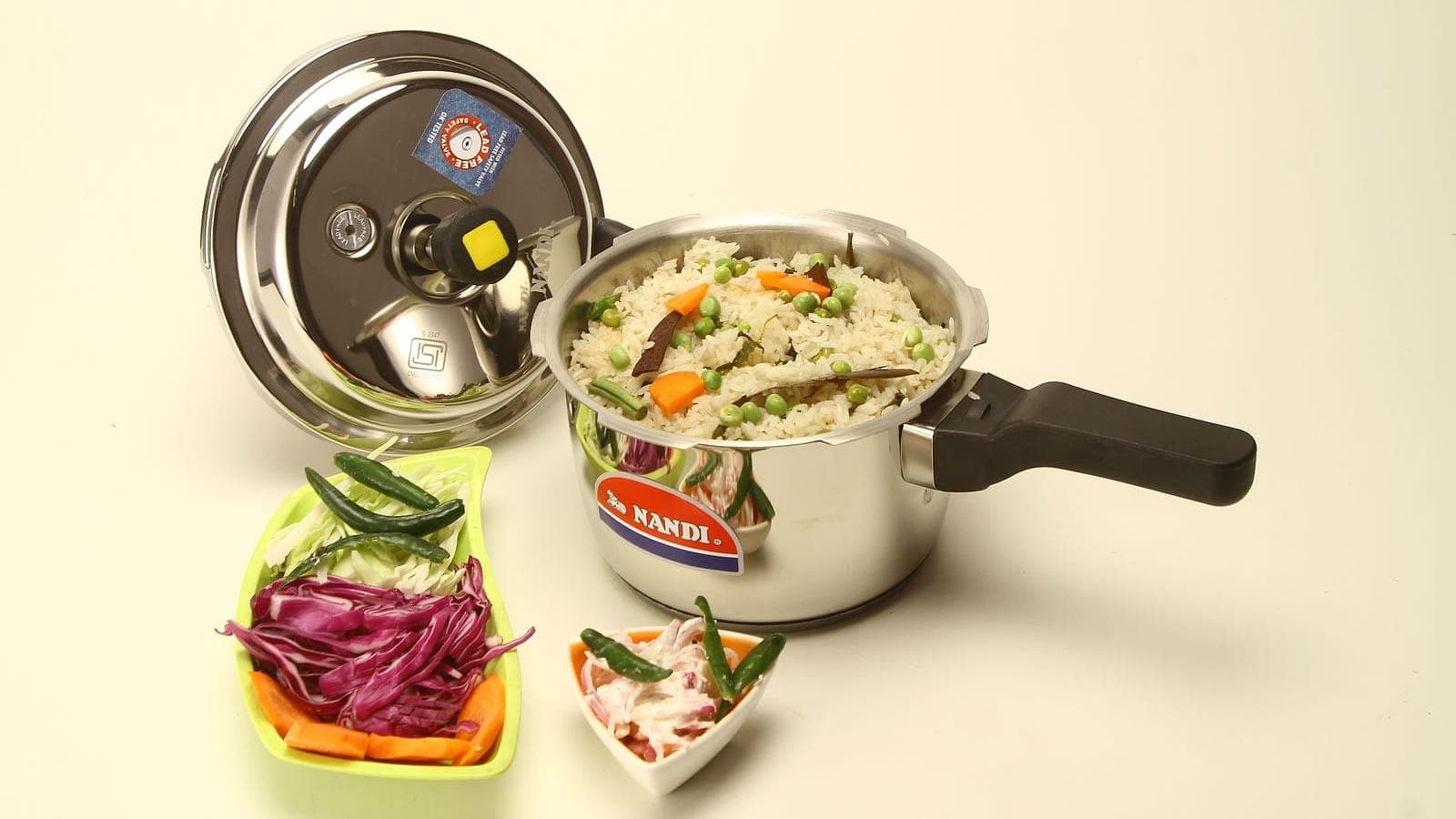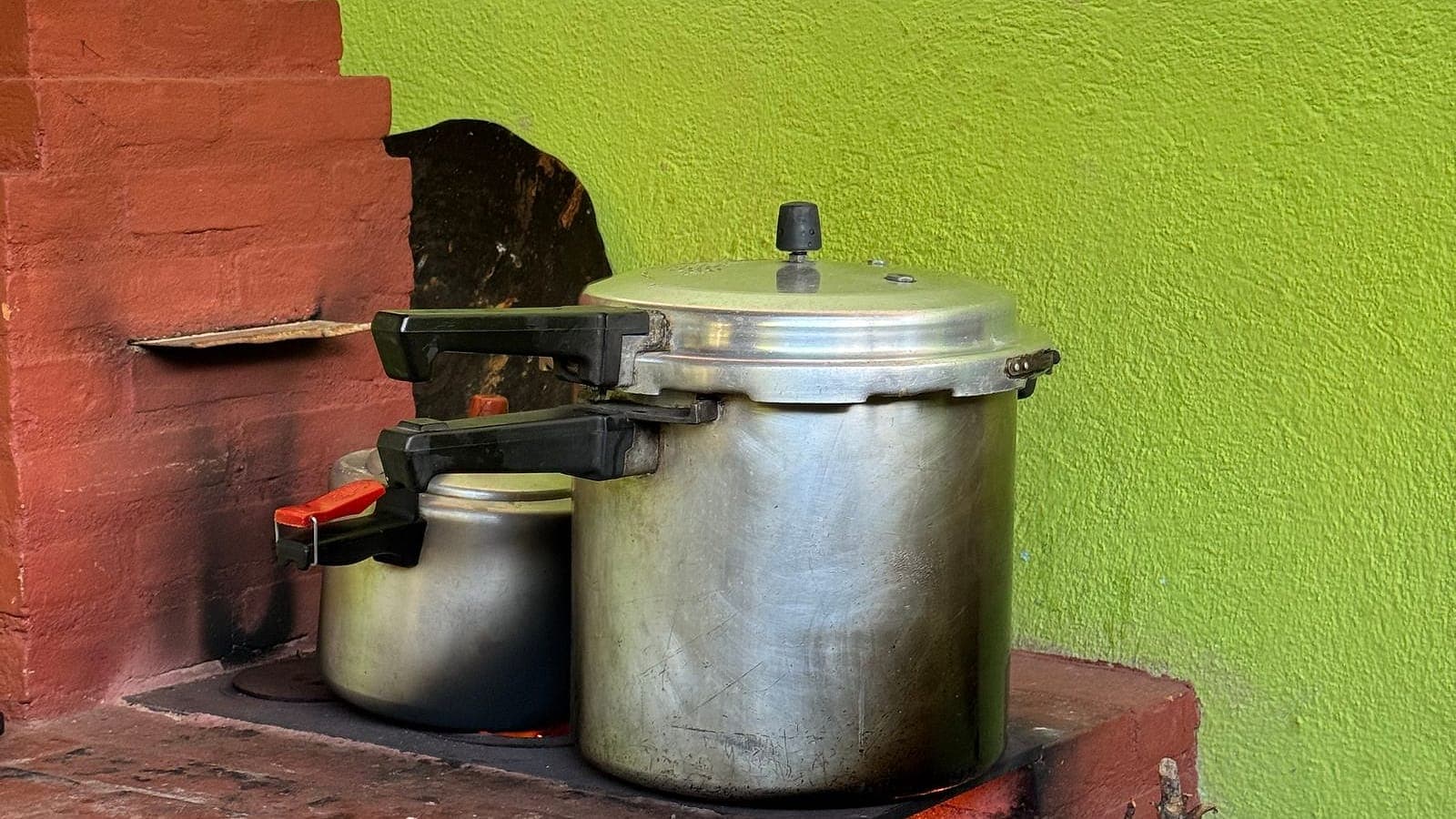
The best stovetop pressure cooker for most people is the Presto 01362 6-Quart Stainless Steel — it reaches higher pressure than any electric multicooker, so it cooks beans and tough cuts faster and sears hotter, it doubles as an everyday pot, and it costs a fraction of the fancier options. If your goal is to safely can low-acid foods, you need a true, tested pressure canner — the All American 921 Pressure Canner — not an ordinary cooker. And if you want the quietest, most precise pot to keep for decades, the Swiss Kuhn Rikon Duromatic Stovetop is the one to buy. The trade against an electric Instant Pot: no programs and no walk-away timer, because you manage the burner yourself.
One thing worth stating plainly: Cookloom hasn’t run these three through our own kitchen yet. The verdicts below synthesize each maker’s published specifications with the long-standing reputation of these designs among cooks and canners, and we flag manufacturer claims as claims. Our standards live in our editorial policy.
Our picks at a glance
| Pick | Best for | Capacity | Canning-safe? | Price band |
|---|---|---|---|---|
| Presto 01362 6-Quart Stainless Steel | Most cooks, best value | 6 qt | No — cooker, not a canner | $$ |
| All American 921 Pressure Canner | Canning low-acid foods | 21.5 qt | Yes — USDA-suitable | $$$$ |
| Kuhn Rikon Duromatic Stovetop | Premium, near-silent cooking | 5 L | No — cooker, not a canner | $$$$ |
Only the All American 921 is a tested pressure canner. The Presto and Kuhn Rikon are excellent cookers, but they are not substitutes for a canner — more on why in the canning section.
Why a stovetop pressure cooker (and the honest trade)
A stovetop pressure cooker is the older, faster kind: a heavy pot with a locking lid that you run on your own burner. Because it isn’t limited by a built-in heating element, it reaches higher pressure and temperature than an electric multicooker — which is exactly why it cooks quicker and browns better before you seal the lid. Manufacturers claim pressure cooking can cut cooking time by up to 70 percent versus conventional methods; treat that as a maker’s headline, but the direction is real, and stovetop models sit at the fast end of it. A good one also doubles as a regular pot, works on any burner including induction when the base is magnetic stainless, and has far fewer electronics to fail over a decade of use.
The trade is honest and simple: it’s hands-on. There’s no timer, no keep-warm, and no walking away — you bring it up to pressure, then adjust the flame to hold it there for the whole cook, tying up a burner the entire time. If you’d rather set a program and leave the kitchen, an electric model is the better match; see our electric pressure cooker guide. If you don’t want pressure at all for stews and braises, a good Dutch oven does that job the slow way.
Best value: Presto 01362 6-Quart Stainless Steel
Who it’s for: cooks who want most of the speed and searing power of pressure cooking, a pot that pulls double duty, and none of the premium price.
The verdict: the sensible default — inexpensive, sturdy tri-clad stainless, induction-ready, and faster than any electric multicooker.
The Presto 01362 is the stovetop cooker we’d point most people to first. Presto lists it as a 6-quart pot built on a tri-clad stainless base — an aluminum core sandwiched in stainless — that spreads heat evenly and, because it’s magnetic, works on induction as well as gas, electric, and smooth-top ranges (Presto). Stainless construction means no interior coating to wear out.
What you give up at this price is convenience, not capability. There’s no digital panel, no presets, and no keep-warm: you watch the pressure indicator, then dial the burner down to hold a steady cook. In return you get a cooker that comes up to pressure faster than an Instant Pot, sears a pot roast hotter before the lid goes on, and doubles as a stockpot the rest of the week — all for a fraction of what the premium pots cost.
Price band: $$ — mid-range; check current price.
Best for canning: All American 921 Pressure Canner
Who it’s for: anyone who wants to safely can low-acid foods at home — vegetables, meat, poultry, and stock — and wants equipment built to outlast them.
The verdict: the canner to buy, and the only pick here that’s actually rated for canning low-acid foods.
The All American 921 is a different tool from the two cookers above. It’s a 21.5-quart pressure canner with a gasket-free, metal-to-metal seal — machined aluminum surfaces clamped together with wing nuts, so there’s no rubber gasket to perish and replace — and it’s made in the USA (All American). That seal, plus a gauge you can actually monitor, is what makes it suitable for the precise, sustained temperatures canning demands. It’s large and heavy, and overkill for a weeknight pot of rice, but that heft is the point when you’re processing jars.
The canning-safety rule, in plain terms
This is the part to get right, because it’s a food-safety issue and not a matter of preference. To can low-acid foods — vegetables, meat, poultry, stock — safely, you must use a tested pressure canner with a dial or weighted gauge, like the All American 921, that reaches and holds the required temperature long enough to destroy Clostridium botulinum spores, the cause of botulism.
The National Center for Home Food Preservation (NCHFP) does not recommend canning low-acid foods in electric multicookers such as the Instant Pot or Ninja Foodi, because they may not reach or hold the temperatures that make canned low-acid food safe (NCHFP). Just as important: an ordinary stovetop pressure cooker is not a canner either. The Presto 01362 and the Kuhn Rikon Duromatic are outstanding for cooking, but neither is a substitute for a tested canner unless a specific model is USDA-rated for canning — so don’t press either into canning service. (High-acid foods like jams and pickles use a separate water-bath method and different rules.) When in doubt, follow tested recipes and use a canner built and rated for the job.
Price band: $$$$ — a long-term investment; check current price.
Best premium: Kuhn Rikon Duromatic Stovetop
Who it’s for: cooks who use a pressure cooker often, want the quietest and most precise experience, and are buying a pot to keep for life.
The verdict: the refined choice — Swiss-built, nearly silent, with two precise pressure settings and superb fit and finish.
The Kuhn Rikon Duromatic is the pot you buy when the cooking experience matters as much as the result. Instead of a jiggling weight that hisses and rattles, it regulates pressure through a valve, so it runs nearly silently — a genuine difference in a small kitchen. It offers two precise pressure settings for finer control over different foods, the 5-liter body carries the build quality Kuhn Rikon is known for, and its magnetic stainless base makes it induction-compatible, like the Presto.
It is expensive, and it asks the same hands-on attention as any stovetop cooker — you’re still managing the burner, with no programs. But for someone who reaches for a pressure cooker weekly, the quiet operation, precise control, and durability justify the premium. Like the Presto, it’s a cooker, not a canner — use it for cooking, not for putting up low-acid foods.
Price band: $$$$ — premium; check current price.
What to look for in a stovetop pressure cooker
- Capacity for how you cook. A 5-to-6-quart pot suits most households and everyday jobs. Canning is the exception — it needs a much larger, purpose-built canner (the All American 921 is 21.5 quarts) to hold jars.
- Gauge or valve type. Cookers regulate pressure with a weighted jiggler or a spring valve; valves (like the Kuhn Rikon’s) run quieter and often allow more than one setting. Canners need a readable dial or weighted gauge so you can verify the temperature.
- Induction compatibility. If you have an induction cooktop, confirm the base is magnetic stainless. The Presto 01362 and Kuhn Rikon Duromatic qualify; some older aluminum cookers do not.
- Safety systems. Modern cookers have a locking lid that won’t open under pressure plus multiple steam-release backups. Look for a lid that clearly locks and vents, and keep those parts clean.
- Canning-rated or not. This is the dividing line. Only buy a “canner” if it’s a tested, gauge-equipped pressure canner rated for low-acid foods. An everyday cooker is for cooking.
Stovetop vs. electric: which should you buy?
Match the tool to how you actually cook. A stovetop cooker wins on speed, higher pressure, a hotter sear, and canning capability — but it’s hands-on and ties up a burner. An electric multicooker wins on convenience: programs, a keep-warm mode, quiet operation, and the freedom to set it and leave the room, at the cost of lower maximum pressure and a slower climb to pressure.
The electric side is well-mapped: Wirecutter has named the Instant Pot its best electric pressure cooker since 2016 (Wirecutter), and our best electric pressure cookers guide covers those picks in full. If you’re still deciding between the two families, start with our main pressure cooker guide. The short version: buy stovetop for speed, searing, and canning; buy electric for convenience and hands-off cooking.
Using a stovetop pressure cooker safely
Modern stovetop cookers are very safe when used correctly. Two habits matter most.
First, release pressure the right way. A natural release means letting the pressure fall on its own — best for meats, stocks, and foaming foods, since it avoids sputtering. A quick release means venting manually to stop the cooking fast — best for vegetables you don’t want overcooked. Never force a locked lid open; wait until the cooker tells you the pressure is fully down.
Second, don’t overfill. Fill the pot no more than two-thirds full, and only halfway for foaming foods like beans, grains, and pasta. Add enough thin liquid to build steam, keep liquids thin under pressure and thicken sauces afterward, and keep the sealing ring and vent clean so pressure regulates properly. For a full walkthrough of releases, liquid ratios, and first-cook steps, see how to use a pressure cooker.