Electric Kettle vs Stovetop: Which Should You Use?
For most people, an electric kettle is the better everyday choice: it boils faster, wastes less energy, shuts itself off, and — if you buy a variable-temperature model — hits exact brewing temperatures a stovetop can only guess at. A stovetop kettle wins on simplicity, needs no outlet, works during a power outage, and gives you that classic whistle. Neither is wrong. The right pick depends on how you brew and how much counter space and control you want.
How each one heats water
The core difference is where the heat goes.
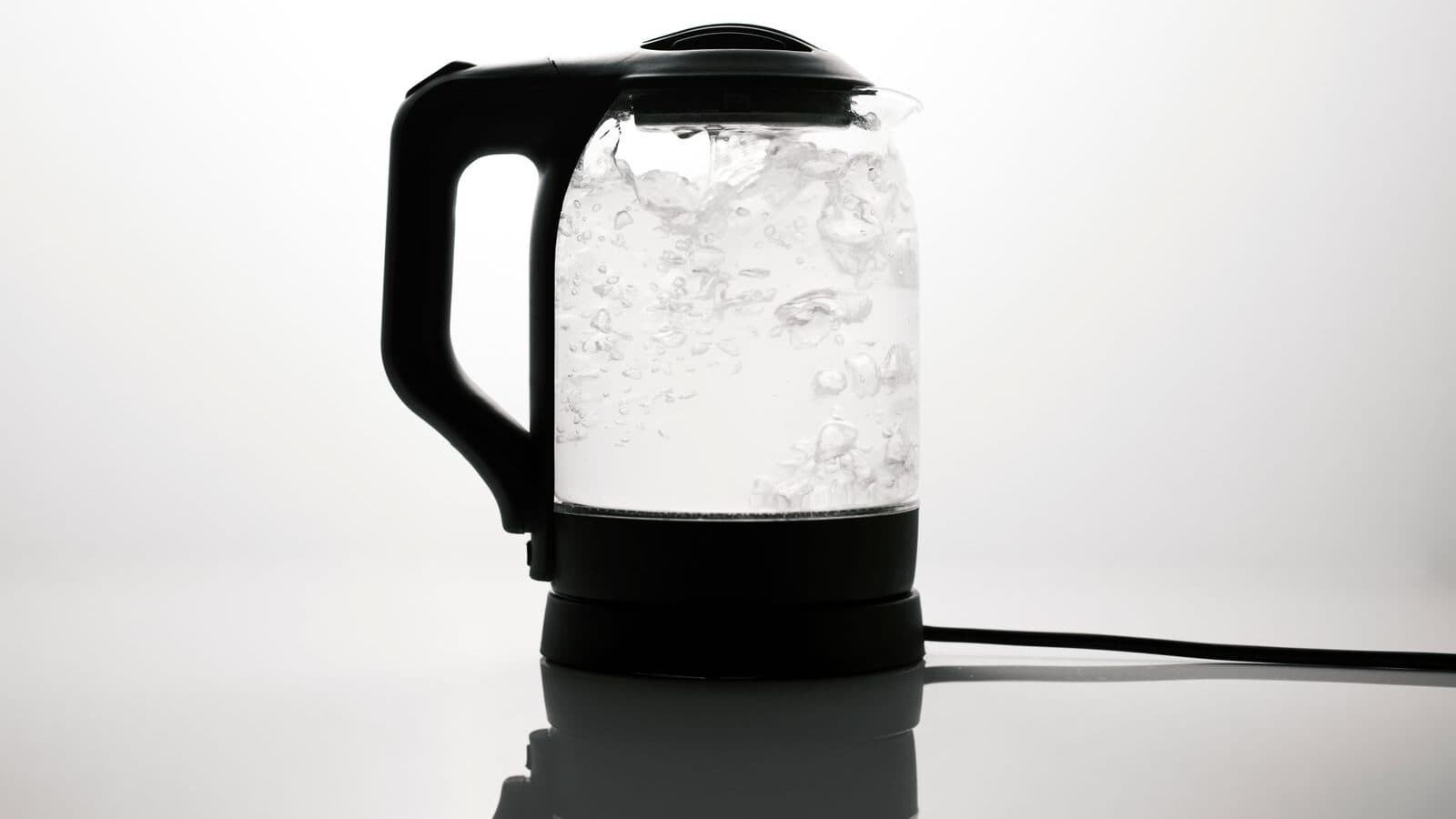
An electric kettle heats water directly. The heating element sits in or just beneath the water inside a sealed vessel, so almost all the energy goes straight into the water. The lid traps steam, and a thermostat cuts power the moment the water boils (or reaches your set temperature). Because so little heat leaks out, electric kettles are generally both faster and more energy-efficient at boiling a small volume of water.
A stovetop kettle heats indirectly. You set it on a gas flame or electric coil, and the burner has to warm the kettle’s metal base before that heat transfers to the water. Along the way, heat radiates into the air, up the sides of the kettle, and across the burner grate. That spilled heat is exactly why a stovetop takes longer and uses more energy for the same cup — you’re paying to warm your kitchen a little, too. (Gas burners lose even more to the open flame than a tight electric coil does.)
None of this makes a stovetop kettle bad. It just means “boil water fast and precisely” isn’t what it’s built for.
Head-to-head: electric vs stovetop
| Factor | Electric kettle | Stovetop kettle |
|---|---|---|
| Speed to boil | Usually faster — heat goes straight to the water | Slower — burner heats the kettle first |
| Energy efficiency | Higher — little heat wasted | Lower — heat escapes around the pot |
| Temperature control | Excellent on variable-temp models (exact presets) | None — you boil, then eyeball or use a thermometer |
| Safety | Auto-shutoff and boil-dry protection are standard | You must remember to turn off the burner |
| Needs an outlet | Yes | No — just a working stove |
| Countertop space | Takes up a spot on the counter | Lives on the stove or in a cabinet |
| Induction compatible | N/A (plugs into the wall) | Only if the base is magnetic/induction-ready |
| Up-front cost | Basic models are cheap; precision models cost more | Simple stovetop kettles are inexpensive |
| Longevity & repair | Electronics can eventually fail | Fewer parts; a good one lasts for years |
| Whistle & looks | Beeps or stays silent | The classic whistle and stovetop charm |
A few of these deserve a note. Temperature control is the biggest practical gap: a variable-temperature electric kettle like the Cuisinart PerfecTemp CPK-17 offers presets from about 160°F up to a full boil, so green tea, oolong, and pour-over coffee each get the right water without a separate thermometer. A stovetop kettle only tells you when it hits 212°F.
On the flip side, simplicity and longevity favor stovetop. A basic stovetop kettle has no circuit board to die, and many outlast a decade of daily use. Electric kettles do add electronics — though even a plain electric model such as the Hamilton Beach Stainless Steel Electric Kettle (40880) keeps things minimal with a single on/off boil and standard auto-shutoff.
Who should choose which
Choose an electric kettle if you:
- Drink tea or pour-over coffee and care about brewing at specific temperatures. Start with our best electric kettles roundup, and if exact heat matters most, the best temperature-control kettles.
- Want the fastest, most hands-off boil, with auto-shutoff so you never scorch a dry kettle.
- Boil water many times a day and would rather not tie up a burner each time.
- Are pairing your setup with a coffee routine — a precise electric kettle sits naturally alongside the machines in our best coffee makers guide.
Choose a stovetop kettle if you:
- Value simplicity and want the fewest things that can break.
- Don’t want to give up counter space or a plug, or you like the ritual and the whistle.
- Need to boil water where an outlet isn’t guaranteed — a cabin, a camp stove, or during a power outage (a gas stove still lights when the grid is down).
One honest middle ground: plenty of people with gas stoves still keep an electric kettle on the counter purely for speed and temperature control, and reach for the stovetop kettle only when they want the whistle or the outlets are full. There’s no rule against owning both — they solve slightly different problems.
A note on upkeep
Whichever you pick, hard water leaves limescale inside the kettle over time, and that buildup slows heating and can flavor your water. Both types descale the same way — a periodic soak with a white-vinegar or citric-acid solution keeps them running clean. Our walkthrough on how to descale a kettle covers the routine for stainless, glass, and gooseneck models alike.
The short version
If speed, efficiency, exact temperatures, and walk-away safety top your list, an electric kettle is the easy winner for daily use. If you want the simplest possible tool, no cord, and the comfort of a whistle — or you need to boil water off-grid — a stovetop kettle still earns its place. Match the kettle to how you actually brew, and either one will serve you well for years.
Sources
- Manufacturer specifications and product documentation (Cuisinart, Hamilton Beach, and other kettle makers) for wattage, presets, and safety features
- Serious Eats and Wirecutter kettle coverage for general performance expectations and buying considerations
- General guidance on tea and coffee brewing temperatures
- Widely published guidance on how enclosed electric heating elements compare with stovetop burners for boiling efficiency
- Standard cookware guidance on induction compatibility and magnetic kettle bases